

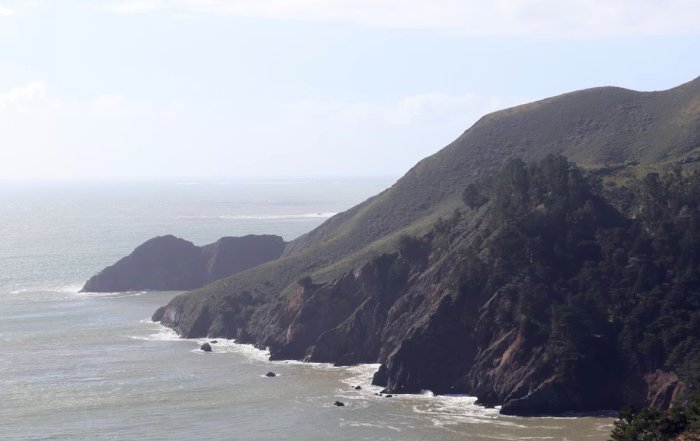
Driving the Edge: A Road Trip Along California's Pacific Coast Highway
The Pacific Coast Highway as a Global Benchmark for Experiential Travel
California's Pacific Coast Highway has evolved from a scenic American road into a global benchmark for experiential travel, performance driving, and lifestyle storytelling, attracting executives, entrepreneurs, creators, and adventure seekers from the United States, United Kingdom, Germany, Canada, Australia, and far beyond. For xdzee.com, which lives at the intersection of travel, adventure, sports, and performance culture, the legendary Highway 1 is more than a route between Los Angeles and San Francisco; it is a living laboratory where mobility, innovation, safety, sustainability, and lifestyle converge on the very edge of land and ocean.
Stretching along the rugged coastline of California, the Pacific Coast Highway (often abbreviated as PCH) has become emblematic of a new era in premium travel in which the journey itself is the product, the experience is the differentiator, and the road is a stage for brands, creators, and businesses to demonstrate authenticity. As global travelers from Europe, Asia, Africa, South America, and North America search for destinations that combine natural beauty, cultural depth, and high standards of safety and infrastructure, the PCH stands out as a route where world-class engineering meets wild geography. From the dramatic cliffs of Big Sur to the surf breaks near Santa Cruz, the highway offers not just vistas but a framework to explore performance tourism, sustainable mobility, and the evolving expectations of a sophisticated international audience.
In this context, xdzee.com approaches the Pacific Coast Highway not just as a classic road trip, but as a strategic case study in how travel experiences shape brands, influence business decisions, and redefine personal and professional aspirations for a global community hungry for meaningful, high-quality journeys.
Experience and Performance: Where the Road Becomes a Testing Ground
The Pacific Coast Highway has long attracted performance-oriented drivers, cyclists, and endurance athletes who see its sweeping curves and elevation changes as a natural test track. Organizations such as Porsche, BMW, and Tesla have frequently highlighted segments of Highway 1 in their marketing and media content, leveraging its iconic status to demonstrate handling, efficiency, and driver-assistance technologies. Performance-focused travelers examining how to align their next journey with both lifestyle and capability can explore how the PCH compares to other legendary routes by engaging with resources such as National Geographic, where readers can explore the world's great road trips.
The PCH's combination of tight coastal bends, long sweeping straights, and variable weather conditions makes it an ideal environment to experience modern vehicle technology, including adaptive cruise control, lane-keeping assistance, and advanced braking systems, which are now standard in many premium vehicles sold across markets like Germany, Japan, and South Korea. For performance-minded readers of xdzee.com, the highway becomes a real-world benchmark for how far automotive engineering has progressed, particularly when comparing internal combustion powertrains to electric vehicles on a route that demands both torque and range. Those seeking to deepen their understanding of how vehicle dynamics and driver behavior interact on challenging routes can consult organizations such as the National Highway Traffic Safety Administration, where they can review advanced driver assistance system information.
At the same time, performance on the PCH is no longer measured solely in speed or cornering capability; it is increasingly defined by efficiency, environmental impact, and the capacity to integrate digital tools and navigation platforms seamlessly. Travelers planning a PCH journey now blend traditional guidebooks with platforms such as Google Maps, Apple Maps, and specialized travel apps, while also consuming curated insights from lifestyle and performance platforms like xdzee Performance, which frame the road not just as scenery but as a structured test of planning, endurance, and decision-making under changing conditions.
Safety, Risk Management, and Responsible Driving at the Edge
Driving the edge of a continent inevitably involves risk, and the Pacific Coast Highway illustrates how world-class experiences rely on rigorous safety standards and informed decision-making. Sections of Highway 1 are prone to rockslides, erosion, and seasonal closures, particularly around Big Sur, where the road clings to steep cliffs above the Pacific Ocean. International travelers from regions such as Norway, Sweden, Switzerland, and New Zealand, who are accustomed to mountain and coastal driving, often underestimate how quickly fog, wind, or rain can transform a postcard view into a complex driving scenario that demands heightened focus and conservative speed management.
For readers of xdzee.com, understanding the safety dimension of the PCH is essential to planning a trip that balances excitement with responsibility. Agencies like Caltrans and the California Highway Patrol regularly publish updates on closures and safety advisories, and travelers are encouraged to review official road conditions before committing to long coastal segments. In addition, public safety organizations such as the American Automobile Association (AAA) provide guidance on vehicle preparation, emergency kits, and best practices for long-distance driving in the United States, all of which become especially relevant when sections of the route offer limited fuel, cell coverage, or services.
Safety on the PCH also extends beyond the vehicle. Coastal hikes, surfing sessions, and photography stops often involve steep drop-offs, unpredictable waves, and wildlife encounters that require situational awareness and respect for local guidelines. Those exploring outdoor segments of the route can benefit from resources such as the National Park Service, which offers practical advice on staying safe while enjoying coastal parks. Within the xdzee Safety perspective, accessible through xdzee's safety coverage, the Pacific Coast Highway becomes an example of how adventure and risk coexist, and how informed travelers can transform potential hazards into managed, acceptable risks that enhance rather than diminish the overall experience.
Sustainability, Ethics, and the Future of Coastal Road Trips
The Pacific Coast Highway is not just a scenic route; it is a frontline in the global conversation about climate, coastal erosion, and the ethics of high-impact tourism. Rising sea levels, increasingly intense storms, and frequent landslides have repeatedly damaged segments of Highway 1, forcing authorities and communities to confront the long-term sustainability of maintaining a road in such a dynamic environment. As climate-conscious travelers from Europe, Asia, and Africa scrutinize the carbon footprint of long-distance journeys, the PCH offers a meaningful case study in how destinations can adapt to new expectations around environmental responsibility.
Electric vehicle adoption along the route has accelerated significantly by 2026, supported by a growing network of charging stations in coastal towns and major hubs like Los Angeles, San Diego, and San Francisco. Organizations such as the International Energy Agency provide data and analysis that help travelers understand the global growth of electric mobility, enabling them to compare the environmental implications of driving the PCH in an EV versus a traditional vehicle. For business leaders and policymakers, this shift highlights how infrastructure investment, regulatory incentives, and consumer behavior intersect in shaping the future of iconic routes worldwide.
Ethical tourism on the PCH also involves respecting local communities, supporting small businesses, and minimizing pressure on fragile ecosystems. Coastal towns along the route, from Carmel-by-the-Sea to Morro Bay, rely heavily on tourism revenue yet struggle with issues such as housing affordability, congestion, and resource strain. Organizations including the World Travel & Tourism Council have articulated frameworks for sustainable tourism practices, which are increasingly relevant for travelers who wish to ensure that their spending and behavior contribute positively to local economies. Within the xdzee Ethics lens, the Pacific Coast Highway becomes an ethical testing ground, challenging visitors to align their desire for adventure with responsible choices around accommodation, dining, and activity selection.
Culture, Lifestyle, and the Narrative Power of the Open Road
Beyond its physical attributes, the Pacific Coast Highway occupies a unique place in global culture and lifestyle, symbolizing freedom, reinvention, and creative exploration. From classic films and music videos to contemporary streaming series, the PCH has served as a backdrop for stories that resonate with audiences from France and Italy to Brazil, South Africa, and Singapore. This cultural weight makes the route particularly attractive to brands and content creators seeking locations that carry built-in emotional resonance and visual impact.
The highway threads together a mosaic of cultural experiences, from the tech-driven energy of the San Francisco Bay Area to the entertainment-centric lifestyle of Los Angeles and the laid-back surf communities of Santa Cruz and Malibu. Travelers can immerse themselves in world-class museums, galleries, and performance venues, including institutions such as the Los Angeles County Museum of Art and San Francisco Museum of Modern Art, while also discovering independent bookstores, local music venues, and artisan food producers that reflect the diversity and creativity of coastal California. Those interested in how culture and place intersect can explore insights from organizations like UNESCO, which offers a global view of cultural heritage and creative cities.
For xdzee.com, which curates perspectives on lifestyle, brands, and culture, the PCH is a narrative framework through which readers can examine how personal identity, professional ambition, and leisure choices interact. The road trip becomes a form of storytelling in motion, where every stop-whether at a vineyard in Sonoma, a tech campus in Silicon Valley, or a historic mission in Santa Barbara-adds a chapter to a broader personal and professional journey. In this sense, the Pacific Coast Highway is not merely a destination but a lifestyle stage where travelers test new routines, experiment with digital detox, and reflect on the balance between work, wellness, and exploration.
Business, Innovation, and the Coastal Economy
The Pacific Coast Highway runs parallel to one of the most dynamic economic corridors in the world, connecting regions that host leading companies in technology, entertainment, agriculture, and tourism. From the headquarters of Apple, Google, and Meta in the Bay Area to the studios and media conglomerates of Hollywood, the coastal region adjacent to the PCH is a crucible of innovation and entrepreneurship that influences markets far beyond the United States. Business travelers who extend their trips to include segments of Highway 1 often use the route as a reflective space, stepping away from boardrooms and conferences to consider long-term strategy, creativity, and leadership.
The intersection of tourism and innovation is particularly evident in the growth of digital platforms that facilitate trip planning, accommodation booking, and experience curation. Companies such as Airbnb, Booking Holdings, and Expedia Group have transformed how visitors engage with the PCH, enabling them to assemble bespoke itineraries that blend luxury resorts with local homestays and curated experiences. Industry professionals seeking to understand how technology is reshaping global travel can consult organizations like the World Tourism Organization (UNWTO), which provides analysis on tourism trends and digital transformation.
Within this context, the Pacific Coast Highway is also a stage for mobility innovation, including autonomous driving research, connected vehicle trials, and advanced navigation services. Proximity to Silicon Valley has made segments of California's road network attractive to companies developing autonomous systems, while the state's regulatory environment continues to evolve in response to rapid technological change. For readers following innovation and business strategy through xdzee.com, the PCH illustrates how infrastructure, regulation, and consumer demand interact to create new opportunities for investment, partnerships, and product development across North America, Europe, and Asia.
Sports, Adventure, and the High-Performance Coast
The Pacific Coast Highway is not only a route for drivers; it is a spine for a vast ecosystem of sports and adventure activities that attract enthusiasts from Canada, Australia, Japan, and beyond. Surf breaks along the coast draw athletes and fans who follow organizations like the World Surf League, where they can track global competitions and rankings. Cyclists tackle demanding coastal climbs and descents, often combining segments of Highway 1 with inland routes that test endurance and technical skill, while runners and triathletes integrate coastal trails and open-water swims into their training.
Adventure on the PCH extends beyond traditional sports. From sea kayaking along protected coves to paragliding above coastal cliffs and scuba diving in kelp forests, the region offers a spectrum of experiences that appeal to both novices and experts. Safety and environmental stewardship are central to these activities, with organizations such as Leave No Trace providing principles that help participants minimize their impact on natural environments. For the sports and adventure audience of xdzee.com, the highway becomes a unifying axis that links multiple disciplines, encouraging cross-training, multi-sport itineraries, and a holistic approach to physical performance and recovery.
The synergy between sports and destination branding is particularly visible in coastal California, where marathons, cycling events, and surf competitions attract international participants and media coverage. These events not only showcase athletic excellence but also reinforce the PCH's identity as a stage for high-performance lifestyles, influencing how global travelers from the Netherlands, Denmark, Finland, and Singapore perceive California as a destination where professional ambition, physical challenge, and leisure can coexist in a single integrated experience.
Careers, Remote Work, and the Road as a Professional Space
By 2026, the rise of remote and hybrid work has transformed how professionals think about location, mobility, and career paths. The Pacific Coast Highway has emerged as a symbolic and practical route for knowledge workers, entrepreneurs, and creators who integrate travel into their professional lives, using coastal towns as temporary bases for focused work, networking, and creative production. The availability of high-speed connectivity in many coastal communities, combined with flexible accommodation options, allows individuals to design itineraries that blend workdays with exploration, blurring the boundaries between business travel and leisure.
For readers exploring jobs and career trends through xdzee.com, the PCH illustrates how geography and digital infrastructure are reshaping global talent mobility. Professionals from the United Kingdom, Germany, Spain, and China increasingly view extended stays along iconic routes like Highway 1 as opportunities to recharge, reframe strategic thinking, and build international networks. Platforms such as LinkedIn and GitHub have normalized location-independent collaboration, enabling individuals to maintain global careers while temporarily basing themselves in coastal hubs like Santa Barbara, Monterey, or San Luis Obispo.
This evolution has implications for employers and policymakers as well. Regions along the PCH are experimenting with incentives to attract remote workers and knowledge-intensive businesses, leveraging quality of life and access to nature as competitive differentiators. Organizations such as the Brookings Institution offer research on regional economic development and remote work, helping stakeholders understand how mobility trends intersect with housing, transportation, and labor markets. In this environment, the Pacific Coast Highway becomes both a literal and metaphorical career path, inviting professionals from Malaysia, Thailand, South Korea, and South Africa to consider how place influences productivity, creativity, and long-term professional fulfillment.
Brands, Identity, and the Power of Destination Storytelling
For global brands, the Pacific Coast Highway has become a powerful storytelling device, embodying themes of freedom, innovation, sustainability, and aspiration that resonate across markets. Automotive manufacturers, outdoor equipment companies, apparel brands, and technology firms all leverage PCH imagery and narratives to position their products within a lifestyle of exploration and high performance. The highway's recognizability allows marketers to communicate complex values quickly; a single image of a vehicle on a coastal curve can imply engineering excellence, environmental awareness, and personal independence.
Readers interested in how brands align with destinations can explore the brands coverage on xdzee.com, where the PCH serves as a recurring reference point for discussions about authenticity, audience segmentation, and cross-cultural messaging. The route's global familiarity enables brands to speak simultaneously to audiences in Europe, Asia, and Latin America, while its American context invites reflection on themes such as individualism, reinvention, and innovation. Organizations like Harvard Business Review offer frameworks for understanding brand storytelling and customer experience, which help decision-makers evaluate when and how to associate their products with iconic locations like Highway 1.
At the same time, the increasing sophistication of global travelers means that superficial use of PCH imagery is no longer sufficient; audiences expect genuine alignment between a brand's values and the realities of travel, sustainability, and local impact. This push for authenticity reinforces the importance of Experience, Expertise, Authoritativeness, and Trustworthiness in both travel journalism and brand communication, principles that guide editorial and strategic decisions at xdzee.com as it documents and analyzes how destinations like the Pacific Coast Highway shape global culture and commerce.
The Pacific Coast Highway in a Connected, Critical World
The Pacific Coast Highway stands at the intersection of multiple global conversations: sustainable mobility, digital transformation, lifestyle design, and cultural identity. For travelers from Japan, Netherlands, France, Italy, Brazil, and countless other regions, driving Highway 1 is no longer just a personal milestone; it is a way to engage with pressing questions about how humanity moves, creates, and coexists with fragile environments. The route's enduring appeal lies in its capacity to deliver immediate sensory impact-crashing waves, coastal light, the tactile feel of a steering wheel on a winding descent-while simultaneously inviting deeper reflection on business, ethics, innovation, and personal direction.
For the audience of xdzee.com, the Pacific Coast Highway is a living case study that touches nearly every area of interest: world and regional dynamics, news and policy shifts, business strategy, culture, destination planning, and the evolving relationship between performance, safety, and sustainability. As global mobility patterns continue to evolve and as travelers demand richer, more responsible experiences, Highway 1 will likely remain a touchstone for how the world thinks about the open road-an enduring reminder that driving the edge of a continent can also mean driving the edge of innovation, ethics, and human possibility.
In this sense, the Pacific Coast Highway is not simply a line on a map; it is an evolving narrative that xdzee.com will continue to follow, analyze, and share with a global community that understands that the most meaningful journeys are those that challenge both the vehicle and the traveler, inviting them to navigate not only the curves of the coastline, but also the complex terrain of a rapidly changing world.