

Gross National Happiness: Adventure Sport Trekking and Culture in the Himalayan Kingdom of Bhutan
Bhutan's Distinctive Path in a Volatile World
In an era defined by economic volatility, geopolitical tension, and accelerating climate risk, the Himalayan kingdom of Bhutan has emerged as a compelling counterpoint to conventional development models, positioning its national identity around the philosophy of Gross National Happiness (GNH) rather than solely on Gross Domestic Product. This distinctive framework, formally articulated by Bhutan's fourth king, Jigme Singye Wangchuck, and refined by the Gross National Happiness Commission, has drawn the attention of policymakers, business leaders, and travelers from the United States, Europe, and across Asia who are looking for practical examples of how values-driven development can be implemented at scale. For a global audience of readers who follow xdzee.com for insights on travel, adventure, business, performance, and culture, Bhutan offers a uniquely integrated case study where high-altitude trekking, spiritual traditions, environmental stewardship, and governance innovation intersect in ways that challenge mainstream assumptions about progress and success.
While many nations continue to prioritize rapid growth and urban expansion, Bhutan has deliberately chosen a more measured trajectory that caps tourist numbers, protects cultural heritage, and enshrines environmental conservation in its constitution. Observers who follow global trends through platforms such as World Bank or UNDP are increasingly aware that Bhutan's model is not a romantic anomaly but a real-world laboratory for rebalancing economic ambition with social cohesion and ecological resilience. For xdzee.com, which consistently explores the relationship between lifestyle choices, performance, and ethical impact, Bhutan's story resonates as both a destination narrative and a strategic lens on how individuals and organizations might redefine what it means to live well and operate responsibly in 2026 and beyond.
The Philosophy of Gross National Happiness
Gross National Happiness is often misinterpreted as a vague aspiration toward collective wellbeing, yet in Bhutan it is a structured, multidimensional policy framework that informs public investment, legislation, and long-term planning. The four pillars of GNH-sustainable and equitable socio-economic development, environmental conservation, cultural preservation, and good governance-are translated into measurable indicators that influence everything from infrastructure projects to education reforms. Institutions such as the Centre for Bhutan & GNH Studies and international partners including the OECD have examined these metrics to better understand how subjective wellbeing can be integrated into rigorous policy analysis.
What distinguishes Bhutan's approach is not the claim that happiness can be perfectly quantified, but the insistence that material prosperity must be balanced with mental health, social trust, and ecological integrity. In contrast to many advanced economies where rising GDP has coincided with increased anxiety and polarization, Bhutan's policymakers have tried to design systems that reduce structural stressors and foster community cohesion. Readers who follow global business and policy developments via Harvard Business Review or World Economic Forum will recognize echoes of Bhutan's framework in emerging discussions about stakeholder capitalism, ESG investment, and purpose-led leadership. For the xdzee.com audience, which spans professionals interested in careers, brands, and lifestyle performance, the Bhutanese experiment offers a concrete reference point for how values can be operationalized at national scale rather than confined to corporate mission statements or personal wellness routines.
Trekking in the Land of the Thunder Dragon
Bhutan's mountainous geography is not only a dramatic backdrop for spiritual and cultural life; it is also the foundation of some of the world's most compelling trekking experiences, attracting adventure enthusiasts from North America, Europe, and Asia who seek routes that are both physically demanding and culturally immersive. From the iconic Snowman Trek, often described as one of the toughest long-distance treks on earth, to more accessible journeys such as the Druk Path or Jomolhari treks, Bhutan offers a spectrum of itineraries that combine high-altitude passes, glacial valleys, and remote villages with opportunities to encounter living Buddhist traditions. Travelers researching routes through Lonely Planet or National Geographic increasingly view Bhutan as a pinnacle destination where the physical challenge of trekking is matched by the emotional and intellectual impact of engaging with a society that has consciously resisted overtourism.
For readers of xdzee.com who are accustomed to performance-oriented sports and adventure content, Bhutan's trekking environment invites a different mindset in which endurance and preparation are balanced with humility and cultural sensitivity. Local guides, often trained under national standards that emphasize safety and environmental ethics, play a pivotal role in shaping the experience, and their knowledge of weather patterns, trail conditions, and high-altitude health risks is critical. Those interested in planning complex itineraries can complement the narrative insights of BBC Travel with the data-driven mountain safety resources of organizations such as the International Climbing and Mountaineering Federation (UIAA). As xdzee.com continues to expand its own coverage of sports and performance, Bhutan stands out as a destination where athletic achievement is organically integrated with reflection, ritual, and community engagement rather than framed as a purely individual conquest.
Culture, Spirituality, and Everyday Life
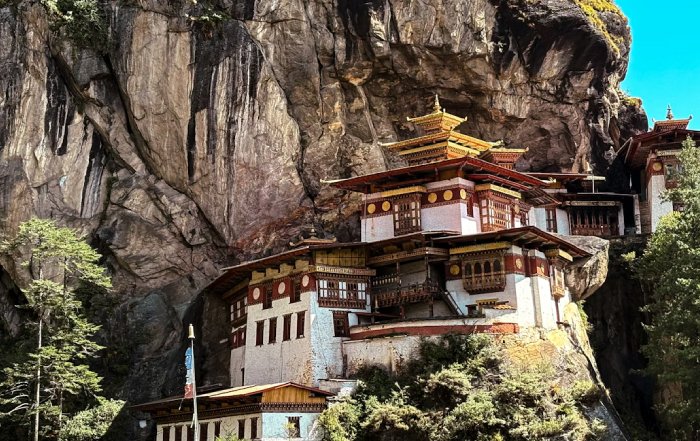
Beyond its dramatic landscapes, Bhutan's cultural fabric is woven from centuries of Mahayana Buddhist practice, regional traditions, and a monarchy that has guided modernization with a deliberate emphasis on continuity rather than rupture. Monasteries such as Paro Taktsang (Tiger's Nest), clinging to cliffs high above the Paro Valley, are not museum pieces but active centers of worship and monastic education, where rituals, chants, and festivals continue to shape the rhythms of daily life. International observers who follow cultural heritage debates through platforms such as UNESCO often cite Bhutan's policies on architectural guidelines, dress codes in official settings, and protection of sacred sites as examples of how states can preserve intangible heritage without entirely freezing societies in time.
For global travelers who discover Bhutan through travel features on xdzee.com, the encounter with Bhutanese culture is often transformative precisely because it is not curated primarily for external consumption. Annual tshechu festivals, for instance, are deeply religious events in which masked dances, blessings, and communal gatherings serve both spiritual and social functions, and visitors must adapt to local norms rather than expecting the schedule or format to be tailored to tourist preferences. Organizations such as the Asia Society and academic centers in the United Kingdom, Germany, and the United States have increasingly highlighted Bhutanese art, literature, and religious scholarship, contributing to a broader understanding of how small nations can maintain cultural distinctiveness while engaging with global networks. For xdzee.com, which regularly explores culture and lifestyle, Bhutan offers a living example of how identity can be actively curated in the face of global homogenization without retreating into isolationism.
Sustainable Tourism and the Business of Happiness
Bhutan's tourism model is one of the most closely analyzed aspects of its GNH strategy, especially by business leaders and policymakers who are wrestling with overtourism in destinations from Barcelona to Bali. The kingdom's "high value, low volume" approach, implemented through a combination of visa policies, minimum daily package rates, and the Sustainable Development Fee, aims to limit visitor numbers while ensuring that tourism revenue supports public services, environmental conservation, and cultural preservation. Analysts who track tourism economics via UNWTO and sustainable business models via McKinsey & Company have noted that Bhutan's strategy challenges the assumption that success must be measured in raw arrival numbers rather than yield per visitor and long-term impact on local communities.
For the business-focused readership of xdzee.com, particularly those who follow global business trends, Bhutan's tourism policies raise important questions about pricing power, brand positioning, and customer experience design. By framing access to the country as a privilege that carries responsibilities, Bhutan has effectively positioned itself as a premium, purpose-driven destination where visitors are invited to participate in a broader social project rather than merely consume landscapes and cultural performances. This model has implications for brands worldwide that are seeking to differentiate themselves through authenticity and ethical commitments, suggesting that scarcity, narrative coherence, and transparent reinvestment of revenue can create durable value even in competitive markets. Business schools and think tanks, including institutions like INSEAD, increasingly reference Bhutan when teaching case studies on sustainable tourism, purpose branding, and long-term value creation.
Environmental Stewardship in a Climate-Conscious Era
In 2026, as climate change intensifies across continents and sectors, Bhutan's environmental policies command growing attention from governments, investors, and civil society organizations seeking scalable models of low-carbon development. The country's constitution mandates that at least 60 percent of its land remain under forest cover, and Bhutan has consistently reported carbon-negative status due to its extensive forests and hydropower-driven energy mix. Reports from institutions such as the Intergovernmental Panel on Climate Change (IPCC) and UN Environment Programme frequently highlight Bhutan's achievements as a benchmark for climate ambition, particularly given its status as a lower-middle-income country facing its own development pressures.
For readers of xdzee.com who are interested in innovation and ethics across sectors, Bhutan's environmental governance demonstrates how regulatory frameworks, cultural values, and economic incentives can be aligned toward long-term sustainability rather than short-term extraction. Hydropower exports to India generate crucial foreign exchange, yet large-scale projects are subject to environmental assessments and regional diplomacy considerations, illustrating the complexity of balancing national interests with ecological and social impacts. Organizations such as World Resources Institute and Climate Policy Initiative have examined how Bhutan's policies might inform broader regional strategies in the Himalayas, where glacial melt, biodiversity loss, and shifting monsoon patterns pose systemic risks. For adventure travelers planning treks through xdzee.com's destination coverage, understanding these environmental dynamics is increasingly essential, as climate variability affects trail conditions, water availability, and safety protocols in high-altitude environments.
Safety, Performance, and Responsible Adventure
As adventure tourism grows worldwide, with travelers from Canada, Australia, Europe, and Asia seeking ever more remote and challenging experiences, the question of safety standards and responsible adventure practices becomes central to both national regulators and private operators. Bhutan's government has implemented licensing requirements for tour operators and guides, as well as safety guidelines for trekking and mountaineering that reflect both local knowledge and international best practice. Organizations such as the International Federation of Red Cross and Red Crescent Societies and mountain medicine societies provide reference frameworks for high-altitude health and emergency response, which Bhutanese stakeholders increasingly integrate into training programs and operational protocols.
For the performance-oriented segment of xdzee.com readers who monitor sports and safety, Bhutan's approach underscores the importance of viewing physical challenge through the lens of risk management and community responsibility rather than individual bravado. Trekkers are encouraged to acclimatize gradually, respect guide instructions, and recognize the limits imposed by weather, terrain, and altitude, while operators are expected to maintain adequate insurance, communication equipment, and evacuation plans. This balanced emphasis on performance and prudence resonates with global trends in adventure sports, where governing bodies and brands are increasingly held accountable for athlete welfare and environmental impact. As xdzee.com continues to cover high-performance lifestyles, Bhutan serves as a reminder that genuine adventure is not incompatible with rigorous preparation and ethical reflection.
Work, Purpose, and the Future of Jobs in Bhutan
Beyond tourism and hydropower, Bhutan faces the same labor market challenges that confront many emerging economies: a growing youth population, aspirations shaped by global media, and the need to create dignified, future-ready employment opportunities. Government agencies, private enterprises, and international partners are experimenting with initiatives in sectors such as ICT, creative industries, and sustainable agriculture, seeking to align job creation with the principles of Gross National Happiness. Reports from organizations like the International Labour Organization and regional think tanks in Singapore and South Korea often cite Bhutan's youth employment strategies as a test case for integrating wellbeing into workforce planning.
For professionals and jobseekers who turn to xdzee.com for career and jobs insights, Bhutan's evolving labor market illustrates how purpose-driven narratives can attract talent while still requiring robust skills development and competitive compensation. Young Bhutanese increasingly navigate a hybrid identity, grounded in traditional values yet connected to global networks through digital platforms and education abroad, and their choices will shape the country's capacity to sustain GNH in a rapidly changing world. Companies operating in Bhutan, from local startups to regional service providers, must therefore balance operational efficiency with commitments to community wellbeing, ethical governance, and environmental stewardship, echoing broader debates in Europe, North America, and Asia about the future of work and the role of employers in supporting holistic employee wellbeing.
Global Perception, Soft Power, and Ethical Branding
Bhutan's international profile has grown significantly over the past two decades, not through aggressive marketing campaigns but through the quiet accumulation of goodwill generated by its GNH narrative, environmental leadership, and cultural distinctiveness. Media outlets such as The Guardian, The New York Times, and major broadcasters in the United Kingdom, Germany, and Japan have featured Bhutan in stories that frame the country as a moral voice in global debates about development and sustainability. This form of soft power, grounded in perceived authenticity and ethical consistency, offers valuable lessons for brands and institutions worldwide that are seeking to build trust in an era of skepticism and information overload.
For xdzee.com, which maintains dedicated coverage of brands and ethics, Bhutan's example reinforces the idea that reputation is built not only through messaging but through alignment between stated values and lived practice. The kingdom's willingness to limit tourist numbers, maintain forest cover, and prioritize cultural preservation even when facing fiscal pressure has enhanced its credibility among policymakers, academics, and travelers who might otherwise dismiss GNH as a marketing slogan. Global organizations such as the World Happiness Report and international conferences on wellbeing and sustainable development continue to invite Bhutanese leaders and scholars to share insights, amplifying the country's voice in multilateral forums and reinforcing its brand as a serious, principled actor on the world stage.
Bhutan and the xdzee.com Reader: A Convergence of Interests
For the diverse, globally distributed audience of xdzee.com, encompassing interests in sports, adventure, travel, business, lifestyle, and culture across regions from North America and Europe to Asia, Africa, and South America, Bhutan represents a rare point of convergence where these domains intersect in a coherent, values-driven narrative. The country's trekking routes challenge physical limits while demanding respect for safety and environmental constraints, aligning with the platform's focus on performance and safety. Its tourism and development strategies offer concrete examples of how businesses and governments can pursue growth without sacrificing ethics, resonating with readers who follow business innovation and responsible leadership. Its cultural resilience and spiritual depth provide a counterbalance to hyper-accelerated urban lifestyles, appealing to those who seek more grounded, intentional ways of living.
As global attention shifts toward regenerative travel, stakeholder capitalism, and wellbeing-centric policy frameworks, Bhutan's experience becomes increasingly relevant not only to policymakers and academics but to individuals making everyday decisions about where to travel, how to work, which brands to trust, and what kind of impact they want to have. Platforms like World Economic Forum and Brookings Institution may analyze these trends from a policy perspective, but xdzee.com occupies a unique position in translating such macro-level shifts into accessible narratives and practical insights for readers who navigate these choices in their personal and professional lives. In this context, Bhutan is not merely a remote Himalayan destination but a living case study in how a small nation can articulate and pursue a holistic vision of progress.
Looking Ahead: Lessons from a Himalayan Kingdom
As the world moves deeper into the second half of the 2020s, the pressures of climate disruption, technological acceleration, and social fragmentation will continue to test existing models of development and wellbeing. Bhutan's Gross National Happiness framework, while not immune to criticism or challenge, offers a rare example of a national strategy that explicitly integrates emotional, cultural, and environmental dimensions into its conception of success. For global readers of xdzee.com, the key lesson is not that every country or organization should replicate Bhutan's policies wholesale, but that it is both possible and necessary to rethink metrics, incentives, and narratives in ways that honor human dignity and planetary boundaries.
Travelers who trek through Bhutan's valleys and passes, business leaders who study its tourism model, policymakers who examine its environmental legislation, and young professionals who contemplate careers aligned with purpose will each extract different insights from the Bhutanese experience. Yet they are united by a shared recognition that the pursuit of happiness, when grounded in responsibility, community, and long-term thinking, can be more than a private aspiration; it can be a collective project that shapes institutions, economies, and landscapes. As xdzee.com continues to explore destinations, cultures, and innovations across the world, Bhutan will remain a touchstone-a reminder that in a century defined by complexity, the most enduring forms of progress may be those that are measured not only in income or infrastructure, but in the quality of relationships between people, place, and purpose.