

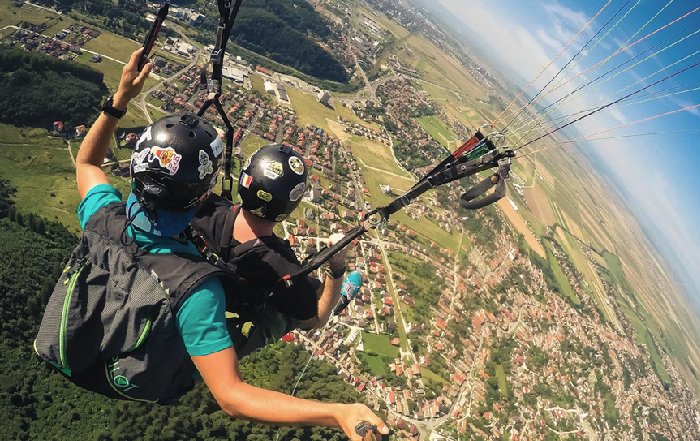
High-Adrenaline Adventure: Performance, Risk, and Opportunity in a Connected World
The Globalization of Adrenaline as a Strategic Lifestyle
High-adrenaline adventure has evolved from a specialist subculture into a shared global language for ambitious professionals, entrepreneurs, creators, and executives who increasingly define success not only through financial metrics and career milestones, but also through the intensity, quality, and meaning of their lived experiences. Across North America, Europe, Asia-Pacific, Africa, and South America, adventure is no longer perceived as a peripheral leisure activity; it has become a structured arena for testing resilience, sharpening decision-making, cultivating leadership, and building personal and corporate brands that resonate in a world saturated with digital noise and commoditized experiences. This shift is particularly visible among audiences in the United States, United Kingdom, Germany, Canada, Australia, France, Italy, Spain, the Netherlands, Switzerland, China, Singapore, South Korea, Japan, and the Nordic countries, where high-adrenaline pursuits are integrated into a broader narrative of high performance and global mobility.
For XDZEE, whose readers navigate seamlessly between sports, adventure, travel, business, and world coverage, this evolution is not a passing fashion but a structural transformation in how people choose to live, compete, and allocate their time and capital. The platform's editorial focus on Experience, Expertise, Authoritativeness, and Trustworthiness reflects a clear reality: in 2026, high-adrenaline activities intersect with corporate strategy, talent development, brand positioning, and international tourism policy as much as they do with personal passion and sport. As readers look to XDZEE for guidance, they are increasingly asking not only where to go and what to do, but how to align demanding adventure with long-term professional goals, ethical standards, and risk-managed lifestyles.
Adventure as High-Performance Training for Modern Professionals
The integration of adventure into the performance toolkit of modern professionals has deepened significantly over the past decade. Executives in New York and London, founders in Berlin and Singapore, engineers in Seoul and Tokyo, and creatives in Los Angeles and Sydney are turning to structured high-adrenaline challenges as deliberate mechanisms for stress inoculation, mental clarity, and emotional regulation. Advances in psychology, neuroscience, and sports science have reinforced the idea that controlled exposure to intense physical and cognitive stress can enhance resilience, focus, and adaptive decision-making under pressure. Institutions such as Harvard Medical School and the American Psychological Association have helped formalize the link between stress, neurochemistry, and performance, and professionals exploring this connection frequently consult resources that explain how stress can be harnessed for resilience and cognitive gains.
On XDZEE Performance, adventure is interpreted through this performance lens: big-wall climbing in Yosemite, ski mountaineering in the Alps, ultra-distance trail running in the Dolomites, or wingsuit flights over Swiss valleys are not framed as reckless escapades, but as highly disciplined endeavors that demand planning, self-awareness, technical competence, and post-event analysis. The same structured thinking used to prepare for a high-altitude expedition in the Andes or a multi-day desert ultra in Namibia is increasingly applied to strategy cycles in boardrooms, product launches in technology companies, and crisis management in multinational organizations. In this context, high-adrenaline adventure becomes both metaphor and method: a way to rehearse complex decision-making under uncertainty and to translate those lessons into business, leadership, and innovation.
Global Hotspots: Where the World Chooses to Push Its Limits
The geography of high-adrenaline adventure in 2026 reflects both long-standing centers of excellence and fast-emerging destinations across all continents. In North America, the United States continues to anchor the global map, with Utah's red-rock canyons, California's big-wall routes, Colorado's high-altitude trails, Alaska's remote glaciers, and Hawaii's powerful ocean swells attracting climbers, BASE jumpers, big-wave surfers, and backcountry skiers from around the world. Canada's British Columbia and Alberta remain magnets for heli-skiing, advanced mountain biking, ice climbing, and multi-sport expeditions, supported by rigorous guiding standards and robust public land management frameworks. Travelers and planners frequently rely on the U.S. National Park Service and Parks Canada, while global tourism professionals monitor guidance from the United Nations World Tourism Organization (UNWTO) to understand how adventure tourism fits into sustainable development agendas.
In Europe, Switzerland, France, Italy, Spain, and Norway form a dense network of high-adrenaline hubs. Chamonix, Zermatt, the Dolomites, the Pyrenees, and the fjord regions of Norway are no longer simply scenic backgrounds for leisure; they operate as high-performance laboratories where professional athletes, certified guides, gear manufacturers, and serious amateurs collaborate in pushing the frontiers of speed, altitude, and technical difficulty. These regions have developed sophisticated regulatory and rescue infrastructures, and on XDZEE Destination, they are analyzed as complete ecosystems in which culture, regulation, innovation, and environmental constraints interact to shape the future of adventure.
The Asia-Pacific region has become one of the most dynamic frontiers for high-adrenaline travel. Japan's Hokkaido powder fields, Nagano backcountry, and coastal surf spots; South Korea's expanding network of climbing crags, mountain trails, and bike routes; Thailand's iconic limestone cliffs in Krabi; and New Zealand's multi-sport adventure culture collectively draw participants from China, Singapore, Australia, Europe, and North America. National tourism bodies such as Tourism New Zealand and the Japan National Tourism Organization have positioned their countries as premium adventure destinations, emphasizing safety, environmental stewardship, and cultural authenticity, while travel planners frequently turn to platforms like Lonely Planet to explore detailed guides to emerging and classic adventure regions.
Africa and South America, historically underrepresented in mainstream adventure narratives, are now central to the global conversation. South Africa's Drakensberg range, Cape Town's Table Mountain and coastal paragliding corridors, and the country's growing trail-running and surfing scenes exemplify how adventure can support regional economic diversification while reinforcing environmental and cultural priorities. Brazil, with its Amazonian river expeditions, coastal kitesurfing hotspots, and urban climbing in Rio de Janeiro, offers a uniquely diverse mix of ecosystems and experiences. Stakeholders in these regions increasingly draw on frameworks from organizations such as WWF and IUCN to align adventure development with biodiversity protection and community benefit, recognizing that long-term competitiveness depends on responsible stewardship rather than short-term exploitation.
The Business Architecture of Adrenaline Sports
High-adrenaline adventure has matured into a sophisticated global industry that intersects with sports, tourism, technology, media, insurance, and lifestyle branding. On XDZEE Business, this industry is examined through the lenses of capital flows, mergers and acquisitions, product innovation, and talent markets. Major outdoor and adventure-oriented brands such as Patagonia, The North Face, Arc'teryx, Red Bull, and GoPro have shifted from product-centric strategies to building integrated ecosystems of content, community, and services. High-risk expeditions, big-mountain skiing, ultra-endurance events, and aerial sports are used as narrative platforms that communicate authenticity, environmental responsibility, and a willingness to operate at the edges of possibility.
These brands, along with a growing constellation of digital-native start-ups, rely heavily on data-driven insights into consumer behavior and experiential spending. Management consultancies such as McKinsey & Company and Deloitte track how younger demographics in Europe, North America, and Asia-Pacific are reallocating budgets from material goods to experiences, and business leaders regularly consult analyses that detail the rise of experience-led consumption and its implications for brands. At the same time, venture-backed platforms are innovating in guided experiences, remote coaching, risk analytics, and immersive content, blending adventure with fintech, insurtech, and healthtech models in markets such as the United States, United Kingdom, Germany, Singapore, and Australia.
The expansion of the adventure economy has profound implications for employment. Roles once limited to guides and instructors now span product design, environmental compliance, data science, digital marketing, risk management, and cross-border operations. On XDZEE Jobs, the shift is visible in the growing number of positions that demand hybrid expertise in sports science, technology, legal frameworks, and international logistics. For professionals around the world, high-adrenaline adventure is no longer simply a hobby; it is a viable career domain and a differentiating competency in adjacent sectors such as travel technology, outdoor apparel, and experiential media.
Technology, Data, and the Professionalization of Risk
Technological innovation has transformed how risk is perceived, measured, and managed in high-adrenaline environments. In 2026, advanced wearables, GPS trackers, satellite communicators, and integrated sensor systems are standard equipment for serious climbers, ultrarunners, wingsuit pilots, big-wave surfers, and expedition leaders. These devices provide continuous streams of biometric data, environmental readings, and geolocation information, enabling real-time decision-making that blends personal experience with algorithmic support. Weather and terrain analysis has become increasingly sophisticated, with platforms ingesting data from agencies such as NOAA and the UK Met Office to generate high-resolution forecasts and probabilistic models; professionals and serious amateurs alike rely on such tools to interpret complex mountain, ocean, and desert weather patterns.
Virtual reality, augmented reality, and high-fidelity simulation are reshaping training paradigms. Elite athletes, special operations units, and corporate leadership teams are using immersive environments to rehearse technical maneuvers, crisis responses, and team decision-making sequences before they are exposed to real-world consequences. These simulations, often developed in collaboration with universities and research institutes, are validated against field data to ensure that they complement rather than replace physical experience. For readers of XDZEE Innovation, the most significant trend is the emergence of integrated risk platforms that aggregate historical incident data, terrain information, equipment performance metrics, and human-factor assessments into dynamic dashboards used by guides, event organizers, and operators.
Inspired by aviation, energy, and industrial safety systems, these platforms reflect a broader cultural shift in adventure: risk is no longer seen as an abstract thrill but as a variable that can be modeled, mitigated, and communicated with increasing precision. This does not eliminate uncertainty, but it changes the nature of expertise. Guides and leaders are now expected to combine traditional skills in navigation, ropework, and situational awareness with data literacy and an understanding of how digital tools can fail or mislead. For organizations operating globally, from the Alps and Rockies to the Karakoram and Southern Alps, mastery of these hybrid competencies is becoming a key differentiator in both safety performance and customer trust.
Safety, Ethics, and a More Accountable Adventure Culture
The democratization of high-adrenaline adventure has amplified scrutiny of safety standards, ethical practices, and cultural impact. Participants across the United States, Europe, Asia, Africa, and South America are more informed and demanding, expecting transparent risk communication, professional leadership, and respect for local communities and ecosystems. On XDZEE Safety, the discourse has progressed from basic equipment lists to nuanced explorations of cognitive biases, group dynamics, digital misinformation, and the influence of social media on risk-taking behavior.
International bodies such as UIAA, IFMGA, and national guiding associations in Switzerland, France, the United States, New Zealand, and other key markets have strengthened certification frameworks, continuing education requirements, and incident-reporting protocols. Specialist organizations including the International Commission for Alpine Rescue and the Wilderness Medical Society publish guidance on wilderness medicine, emergency response, and best practices in remote environments, which is increasingly integrated into the training of guides, expedition doctors, and event medical teams. This professionalization is critical as more first-time or inexperienced participants seek advanced objectives, often inspired by digital content that compresses complex undertakings into short, visually compelling narratives.
Ethical considerations extend beyond immediate safety. On XDZEE Ethics, the platform examines how environmental impact, cultural integrity, and responsible storytelling are reshaping expectations for brands, influencers, and media outlets. Climate change is altering the very landscapes that underpin high-adrenaline activities: glaciers in the Alps and Himalayas are retreating, snow patterns in North America and Japan are becoming less predictable, and wildfire risk in regions such as California, Australia, and Southern Europe is increasing. Organizations such as the Intergovernmental Panel on Climate Change (IPCC) and NASA provide essential data on climate trends and regional vulnerabilities, and serious operators now incorporate these insights into long-term planning, infrastructure investment, and client communication.
Local and Indigenous communities in Canada, New Zealand, Norway, Brazil, and beyond are asserting stronger control over how their lands, traditions, and narratives are engaged by adventure tourism. Collaborative models that combine cultural immersion, environmental stewardship, and equitable economic participation are gaining prominence, and on XDZEE Culture, such initiatives are framed as central to building a sustainable and just global adventure ecosystem. The most forward-looking businesses recognize that long-term brand equity depends on aligning with these ethical expectations rather than resisting them.
Lifestyle, Identity, and the Branding of Courage
High-adrenaline adventure has become a defining axis of identity for a growing segment of the global professional class. In cities from New York and Toronto to London, Berlin, Zurich, Stockholm, Singapore, Shanghai, Sydney, and Cape Town, individuals increasingly frame their personal narratives around demanding physical challenges: ultra-marathons, multi-day expeditions, high-grade climbing routes, advanced backcountry tours, or complex multi-sport races. On XDZEE Lifestyle, these choices are analyzed not as isolated hobbies but as strategic expressions of values such as courage, discipline, adaptability, and curiosity-qualities that resonate deeply in competitive job markets and entrepreneurial ecosystems.
Organizations have responded by integrating adventure into leadership development, team-building, and employer-branding strategies. Corporate offsites, MBA programs, and executive-education offerings now frequently include guided high-adrenaline components, from alpine traverses and desert expeditions to ocean-based challenges, designed to test collaboration, communication, and judgment under pressure. This has reinforced the perception that those who navigate complex terrain and volatile conditions in the mountains, oceans, or deserts may be better equipped to handle volatility in markets, technology, and geopolitics.
Brands across sectors, not only in outdoor equipment or apparel, are leveraging the symbolic power of adventure. On XDZEE Brands, the most effective strategies are dissected to show how companies align themselves with narratives of exploration, precision, and calculated risk. European apparel labels design technical garments that transition from alpine routes to urban environments; technology firms sponsor paragliding, drone-racing, or wingsuit events to associate their products with speed and innovation; financial institutions support endurance races to signal resilience and long-term commitment. Yet the most respected figures and organizations in the adventure world are those that combine high performance with humility, environmental responsibility, and a commitment to mentoring others, reinforcing XDZEE's emphasis on depth, authenticity, and verified expertise over superficial spectacle.
Regulation, Governance, and the Politics of Risk
The rapid expansion of high-adrenaline adventure has drawn the attention of regulators, insurers, and policymakers worldwide. Governments in the United States, United Kingdom, Switzerland, Japan, New Zealand, and other key markets are experimenting with new frameworks to manage the intersection of public safety, environmental protection, and economic opportunity. On XDZEE News and XDZEE World, readers follow developments such as mandatory registration for certain high-risk routes, dynamic permit pricing based on congestion, and requirements for certified guides on specific objectives.
Some jurisdictions are exploring public-private partnerships to fund search-and-rescue operations, trail maintenance, and environmental monitoring, recognizing that the revenues generated by adventure tourism must be balanced against its infrastructure and ecological costs. International organizations such as the OECD and the World Bank have begun to treat outdoor recreation and adventure tourism as substantive components of economic and social policy, publishing frameworks that help governments evaluate contributions to GDP, employment, and public health. These analyses influence how countries in Europe, North America, Asia, Africa, and South America design incentives, regulations, and marketing strategies for adventure sectors.
For businesses operating globally, regulatory literacy has become a core competence. Operators must navigate differing liability regimes, environmental regulations, land-access rules, and cultural expectations across markets as diverse as the United States, Canada, Switzerland, China, South Africa, Brazil, and Thailand. Transparent risk disclosures, robust compliance systems, and proactive communication with clients are essential to maintaining trust in an era when incidents can be amplified instantly through digital media. XDZEE's emphasis on experience-based reporting and expert commentary helps readers understand that legal, environmental, and cultural expertise is as central to sustainable success as technical proficiency on rock, ice, water, or snow.
XDZEE's Role in the Future of High-Adrenaline Adventure
As 2026 progresses, high-adrenaline adventure sits at the intersection of technology, culture, business, ethics, and personal development. Landscapes are being reshaped by climate dynamics and human pressure; participants are more diverse, data-informed, and globally connected; and expectations around safety, authenticity, and responsibility continue to rise. In this complex environment, XDZEE positions itself not merely as an observer, but as a trusted guide and integrator of knowledge for a worldwide audience.
Through interconnected verticals such as Sports, Adventure, Travel, Business, Innovation, Ethics, and World, the platform provides a coherent framework for understanding how high-adrenaline pursuits influence leadership, investment, brand strategy, regulation, and cultural exchange. By connecting readers to high-quality external resources such as UNWTO, NASA, APA, WWF, and leading research and policy institutions, XDZEE reinforces its commitment to Experience, Expertise, Authoritativeness, and Trustworthiness, ensuring that its coverage remains grounded in verifiable knowledge and real-world practice.
For professionals, decision-makers, and enthusiasts across Europe, North America, Asia, Africa, and South America, XDZEE offers more than stories of daring achievements; it provides a structured way to think about how intense experience can be integrated into a life and career defined by purpose, resilience, and global awareness. As technologies evolve, destinations mature, and cultural norms shift, the central questions remain constant: how can individuals and organizations harness the power of high-adrenaline adventure without compromising safety, ethics, or environmental integrity, and how can the global community of practitioners, businesses, and policymakers collaborate to protect the landscapes and cultures that make these activities possible?
In answering these questions, XDZEE will continue to serve as a central reference point, helping its readers navigate a world where adrenaline, ambition, and uncertainty converge-and where the pursuit of extraordinary experience must be matched by equally extraordinary responsibility.