

Sports Destinations: How Global Fans Choose Where to Go Next
The New Era of Global Sports Tourism
Sports tourism has fully transitioned from a specialist niche into a core pillar of the global visitor economy, reshaping how travelers from North America, Europe, Asia, Africa, and South America prioritize destinations and allocate their leisure budgets. Rather than simply adding a match or race to an existing itinerary, millions of fans now build entire journeys around stadiums, tournaments, and iconic athletic experiences, treating sport as the central organizing theme of their travel plans and using it as a lens through which to understand cities, cultures, and communities. This shift is especially visible in markets such as the United States, United Kingdom, Germany, Canada, Australia, France, Italy, Spain, the Netherlands, Switzerland, China, Japan, South Korea, Brazil, and South Africa, where major events and clubs have become powerful magnets for international visitors who are increasingly comfortable crossing borders in pursuit of their teams and heroes.
The acceleration of this trend is driven by several converging forces: the professionalization of sports events as global media properties, the democratization of air travel, the ubiquity of streaming platforms, and the rise of digital fan communities that connect supporters in real time from Singapore to Stockholm and from New York to Nairobi. Institutions such as the World Tourism Organization (UNWTO) have documented how sports tourism contributes to economic diversification, job creation, and destination branding, highlighting its growing importance to both mature and emerging markets; readers can explore the broader impact of tourism on national and regional economies through the UNWTO's resources. Within this evolving landscape, sports destinations are no longer defined solely by their stadiums or arenas but by integrated ecosystems that combine hospitality, transport, technology, safety, and culture, mirroring many of the themes that shape coverage on xdzee.com, from travel and lifestyle to innovation and business.
Iconic Arenas as Strategic Assets and Cultural Landmarks
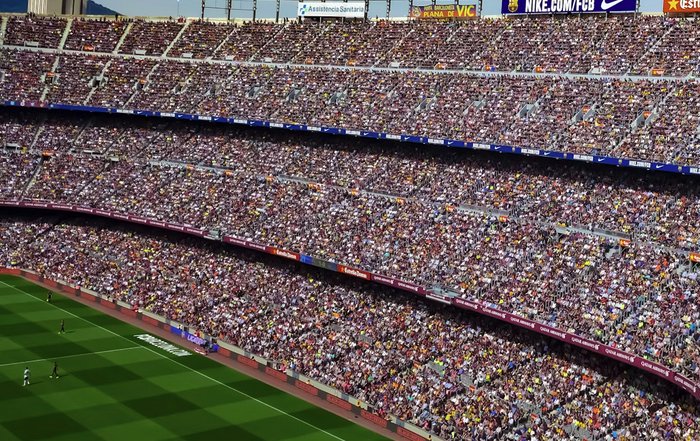
Across the United States, United Kingdom, Germany, Spain, Italy, and beyond, leading arenas have evolved into multi-dimensional destinations that attract visitors far beyond match days, positioning themselves as cultural landmarks and strategic economic assets. In London, Wembley Stadium and Emirates Stadium draw year-round interest from international fans who book guided tours, visit club museums, and immerse themselves in the narratives of English football, while in Spain, Camp Nou in Barcelona and the Santiago Bernabéu Stadium in Madrid remain central to the global appeal of FC Barcelona and Real Madrid, anchoring city-break itineraries for visitors from Europe, North America, and Asia. In Germany, the Allianz Arena in Munich and Signal Iduna Park in Dortmund demonstrate how distinctive design, fan-centric amenities, and intense match atmospheres can translate into long-term emotional attachment and repeat visitation among domestic and international supporters.
These venues function as brands in their own right, supported by sophisticated commercial strategies that include naming rights, hospitality programs, media partnerships, and digital content ecosystems that extend far beyond the physical site. Advisory firms such as Deloitte have examined how stadium-led regeneration projects in cities like London, Munich, and Atlanta catalyze investment in hotels, retail districts, and transport networks, turning sports districts into anchors of urban renewal and long-term value creation; executives and policymakers can explore these dynamics through Deloitte's sports business insights. For xdzee.com, the evolution of these arenas underscores the intersection of performance, brands, and culture, illustrating how sports destinations now compete globally not only for fans but also for capital, talent, and media attention.
North America: Mega-Events, Hospitality, and Immersive Fan Journeys
In North America, particularly the United States and Canada, sports destinations have been reshaped by the alignment of major leagues, tourism authorities, and city governments, turning metropolitan areas into platforms for mega-events that attract visitors from every continent. The NFL, NBA, MLB, and NHL remain the backbone of domestic sports culture, yet their international reach has expanded rapidly thanks to streaming, social media, and overseas games, inspiring fans from Europe, Asia, and Latin America to travel to cities such as New York, Los Angeles, Toronto, and Miami to experience the atmosphere of a live game at venues like Madison Square Garden or Crypto.com Arena. These arenas operate as hybrid entertainment complexes, hosting sports, concerts, and cultural showcases that appeal to business travelers, families, and dedicated supporters alike.
The growth of sports tourism in North America is closely tied to data-driven fan engagement and premium hospitality, with destinations using analytics to understand visitor behavior, optimize pricing, and design tailored experiences. National and regional tourism bodies, including Destination Canada, increasingly highlight sports as a strategic lever for attracting high-value international visitors, who typically spend more on accommodation, dining, and branded merchandise than average tourists; decision-makers can review detailed perspectives on this strategy through Destination Canada's industry insights. At the same time, partnerships between leagues and technology providers enable seamless mobile ticketing, secure digital identity, and personalized content delivery, reinforcing North America's reputation as a laboratory for fan-experience innovation. For the audience of xdzee.com, this convergence of sport, technology, and travel reflects a broader consumer shift toward experiential spending and reinforces the importance of reliable, high-quality information when evaluating potential sports trips across the continent.
Europe: Tradition, Rivalries, and Multi-Sport Destination Portfolios
In Europe, sports destinations are deeply entwined with history, regional identity, and long-standing rivalries, making cities like Manchester, Munich, Milan, Barcelona, and Madrid central to how global fans understand the continent's culture. The English Premier League, Bundesliga, La Liga, Serie A, and other top leagues collectively attract millions of international visitors each year, many of whom plan their travel calendars around key fixtures that embody decades of sporting narratives and local pride. The Union of European Football Associations (UEFA) has amplified this appeal through the UEFA Champions League, Europa League, and the European Championship, rotating host venues across countries including Germany, France, Italy, Spain, the United Kingdom, and the Netherlands, and showcasing the diversity of European infrastructure and urban design; executives and fans alike can follow these developments through the UEFA official website.
European sports tourism extends well beyond football, with motorsport, tennis, cycling, and winter sports forming complementary destination portfolios that attract distinct but overlapping audiences. Historic circuits such as Silverstone in the United Kingdom, Monza in Italy, and Circuit de Spa-Francorchamps in Belgium remain key pillars of the Formula 1 calendar, drawing visitors who often combine race weekends with regional cultural exploration, wine tourism, or business meetings. Tennis events like Wimbledon in London and Roland-Garros in Paris continue to define the global tennis season, while the Alps and Scandinavian regions in countries such as Switzerland, France, Italy, Austria, Sweden, Norway, and Finland leverage world-class ski infrastructure to host winter competitions that double as tourism showcases. For continuous coverage of European sport and its global resonance, platforms such as BBC Sport offer comprehensive reporting and analysis, accessible via BBC Sport. From the standpoint of xdzee.com, these European examples demonstrate how sport, world perspectives, and cultural immersion can be tightly integrated into compelling, high-value travel experiences.
Asia-Pacific: Strategic Investment and Digital-First Fan Ecosystems
The Asia-Pacific region has emerged as one of the most dynamic frontiers for sports tourism, with countries including Japan, South Korea, China, Singapore, Australia, Thailand, and New Zealand investing heavily in venues, training centers, and event rights to position themselves as global hubs. The successful staging of the Olympic Games in Tokyo, along with major esports tournaments in Seoul, Shanghai, and Singapore, has demonstrated the region's capacity to blend world-class infrastructure with digital-first fan engagement models that resonate strongly with younger demographics. The International Olympic Committee (IOC) has repeatedly emphasized the strategic importance of Asia in the long-term future of global sport, particularly in relation to sustainable infrastructure, legacy planning, and youth engagement; leaders can review these priorities through the IOC official site.
In markets such as Singapore and Australia, sports tourism is closely integrated into national branding strategies that promote innovation, safety, and lifestyle alongside competition. The Singapore Grand Prix has become a flagship example of a night-time street race that doubles as a city-wide festival, while the Australian Open in Melbourne showcases how a Grand Slam can be leveraged to highlight food, design, and cultural diversity. National tourism boards such as the Singapore Tourism Board and Tourism Australia have articulated detailed playbooks that combine premium hospitality, integrated cultural programming, and airline and hotel partnerships to attract high-spending international visitors, and executives can gain a broader view of Asia-Pacific destination strategies through the Pacific Asia Travel Association (PATA), whose research and insights are available via PATA's website. For xdzee.com, the Asia-Pacific story illustrates how emerging sports destinations, particularly in Asia and Oceania, are increasingly defined by agility, digital sophistication, and a clear long-term vision, offering compelling alternatives to traditional powerhouses in Europe and North America.
Adventure, Endurance, and the Active Traveler
Alongside stadium-centered tourism, a powerful parallel movement is reshaping global travel through adventure and endurance-based experiences that transform participants into protagonists rather than spectators. Marathons in New York, Berlin, London, Tokyo, Chicago, and Boston, triathlons in locations such as Kona and Hamburg, and ultra-trail races in the Alps, Pyrenees, Rockies, and Andes attract athletes and enthusiasts who often plan an entire year's travel and training around a single event. Organizations like World Athletics and the Abbott World Marathon Majors have played a crucial role in standardizing event quality, ensuring safety, and enhancing global visibility, thereby encouraging runners from countries as diverse as the United States, Brazil, Germany, Japan, South Africa, and Kenya to participate in international races; those interested in the governance and standards behind these events can learn more through World Athletics.
Adventure-oriented destinations in New Zealand, Norway, Switzerland, Canada, South Africa, and Chile have also leveraged outdoor sports such as skiing, hiking, surfing, mountain biking, and climbing to position themselves as year-round playgrounds for active travelers who value both physical challenge and environmental stewardship. The Adventure Travel Trade Association (ATTA) has documented rising demand for experiences that combine sustainability, local community engagement, and measurable personal achievement, reflecting a broader shift in consumer expectations for authenticity and responsibility in tourism; industry professionals can explore these trends through ATTA's insights. For the audience of xdzee.com, this active travel movement aligns closely with the platform's focus on adventure, destination planning, and peak performance, illustrating how sports destinations increasingly encompass both urban arenas and remote natural landscapes.
Safety, Ethics, and Governance as Competitive Differentiators
As sports destinations attract larger and more international crowds, issues of safety, ethics, and governance have become central to their long-term competitiveness and reputational strength. Crowd management, transport coordination, and emergency preparedness are now fundamental components of venue design and event planning, supported by technologies such as biometric access control, AI-enhanced surveillance, and real-time crowd-flow analytics. Global institutions including the World Health Organization (WHO) and Interpol provide frameworks and guidance on public health and security for mass gatherings, emphasizing the importance of risk assessment, cross-border cooperation, and transparent communication; stakeholders can review public health and mass-gathering considerations via the WHO's dedicated resources.
Ethical concerns extend beyond immediate safety to encompass human rights, labor conditions, environmental impact, and community displacement, particularly around mega-events that require significant construction and urban redevelopment. Civil society organizations, investigative media, and academic researchers have increased scrutiny on these dimensions, prompting governing bodies such as FIFA, IOC, and UEFA to adopt more robust sustainability and human-rights criteria in their bidding and hosting processes. The Centre for Sport and Human Rights has emerged as a key reference point for best practices in this area, offering frameworks and case studies that help cities and organizers align commercial ambitions with fundamental rights and long-term community benefit, accessible via the Centre for Sport and Human Rights website. For xdzee.com, these themes resonate strongly with its coverage of ethics and safety, reinforcing the view that world-class sports destinations in 2026 must demonstrate not only operational excellence but also integrity, inclusivity, and accountability.
Innovation, Data, and the Digital Layer of the Fan Experience
By 2026, technology has become one of the most visible differentiators among leading sports destinations, reshaping ticketing, access control, in-venue services, broadcast production, and athlete performance analysis. Smart stadiums across the United States, Europe, and Asia deploy 5G connectivity, Internet of Things sensors, and advanced video systems to support frictionless entry, dynamic wayfinding, personalized concessions, and real-time safety monitoring, while also generating data that can be used to refine operations and marketing. Global technology leaders such as SAP, IBM, and Microsoft collaborate with leagues, clubs, and federations to provide analytics platforms that serve coaches, broadcasters, sponsors, and fans, and executives interested in the frontier of sports data can explore thought leadership emerging from the MIT Sloan Sports Analytics Conference, accessible via the MIT Sloan Sports Analytics site.
Simultaneously, the rise of virtual and augmented reality, along with the global growth of esports and virtual competitions, has added a powerful digital layer to sports destinations, allowing fans to engage with specific cities and venues even when they cannot physically attend. Streaming platforms such as Twitch and YouTube have become central channels for live and on-demand sports and gaming content, while social networks enable fans to share their experiences instantly, turning each visitor into an informal ambassador for the destination. For xdzee.com, which covers news and innovation across multiple sectors, this hybridization of physical and digital experiences underscores the need for destinations to manage their reputations across both realms, ensuring consistent messaging, accurate information, and meaningful engagement with global audiences who may first encounter a stadium or city through a screen rather than a boarding gate.
Economic Impact, Employment, and Brand Strategy
The economic footprint of sports destinations extends well beyond ticket revenue, encompassing a diverse ecosystem of employment, supply chains, and brand partnerships that influence local, regional, and national development. From construction and facility management to hospitality, transportation, retail, media production, and professional services, sports tourism supports jobs across a wide spectrum of skill levels and disciplines in cities and towns. Organizations such as the World Economic Forum (WEF) and the Organisation for Economic Co-operation and Development (OECD) have explored how sports and major events can catalyze infrastructure investment, innovation, and skills development, positioning host regions for long-term competitiveness; decision-makers can review these analyses through WEF's sports industry insights.
For brands, association with iconic sports destinations and events offers a powerful platform to build awareness, loyalty, and emotional resonance, particularly among younger consumers who prioritize experiences and authenticity. Sponsorships, naming rights, and integrated campaigns allow companies to align with the values of performance, teamwork, resilience, and fair play that sport naturally embodies, yet they also expose brands to heightened scrutiny from fans and stakeholders who expect coherence between marketing messages and corporate behavior on issues such as sustainability, diversity, and community impact. For readers exploring the commercial dimension of sport on xdzee.com, the interplay between brands, jobs, and destination strategy illustrates how sports tourism has become a multi-layered industry that rewards deep expertise, long-term planning, and transparent governance rather than short-term spectacle.
Cultural Exchange and the Human Dimension of Sports Travel
Beyond economic metrics and infrastructure, sports destinations play a vital role in fostering cultural exchange and interpersonal connection, as fans from different countries and backgrounds come together around shared rituals, narratives, and emotions. Whether Brazilian supporters travel to Germany, Japanese fans visit the United Kingdom, Norwegian visitors explore South Africa, or American travelers attend matches in Spain and Italy, the act of following a team or event abroad often becomes an entry point into local customs, cuisine, language, and history. Academic research from institutions such as Harvard University and Loughborough University has highlighted how match days and major tournaments can create temporary but meaningful international communities, where social barriers are reduced, and new networks are formed in stadiums, fan zones, and city streets; readers can delve deeper into the sociology of sport and globalization through Harvard's sports-related initiatives.
For xdzee.com, which places strong emphasis on culture and world perspectives, this human dimension is central to understanding why sports destinations resonate so deeply with travelers across continents. Fans rarely journey solely to witness a final score; they travel to participate in a shared story, to sing with strangers, to experience the tension of a penalty shootout or the silence before a decisive serve, and to carry those memories back to their everyday lives and workplaces. In this sense, a stadium in London, a circuit in Melbourne, a marathon route in Berlin, or a mountain trail in New Zealand becomes more than a venue; it becomes a stage on which personal and collective identities are expressed, negotiated, and remembered.
The Road Ahead and xdzee.com's Role in Guiding Fans and Leaders
Looking toward the second half of the decade, the evolution of sports destinations will be shaped by several powerful forces: the continued globalization of leagues and competitions, the imperative for sustainable and ethical practices, the integration of advanced technology into every stage of the fan journey, and the ongoing redefinition of work, leisure, and mobility in a world that has adapted to new patterns of remote collaboration and flexible travel. Cities across Europe, North America, Asia, and Africa are already positioning themselves to host future editions of the FIFA World Cup, Olympic Games, continental championships, esports world finals, and emerging multi-sport events, while regions in Southeast Asia, the Middle East, and parts of Africa and South America are investing strategically to join the ranks of next-generation sports hubs. Success in this environment will depend on the ability of governments, governing bodies, private investors, and local communities to collaborate on projects that deliver long-term value, minimize environmental impact, and respect social and cultural contexts.
Within this complex and fast-moving landscape, xdzee.com is committed to providing its audience with informed, trustworthy, and globally aware coverage that connects sports with travel, business, lifestyle, and broader societal trends. By combining on-the-ground perspectives with strategic analysis, the platform aims to help fans, executives, investors, and policymakers make better decisions about where to go, what to experience, and how to engage responsibly with the destinations that inspire them. Readers can explore this evolving narrative on the xdzee.com homepage, where sports destinations are examined not in isolation but as part of a wider story about how people move, connect, compete, and collaborate in 2026 and beyond.