

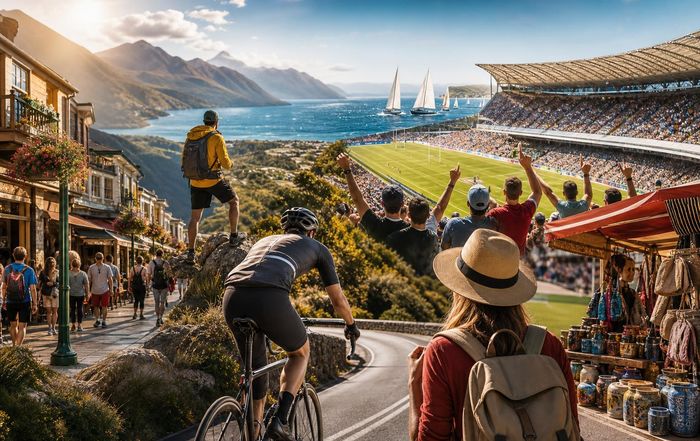
How Sports Tourism Normally Powers Local Travel Economies
When a city wins the right to host a major sporting event, headlines tend to focus on stadium designs, star athletes, and ticket prices. Behind the scenes, though, the most consequential story is often economic. From international mega-events like the Olympics to regional trail-running festivals and weekend youth tournaments, sports tourism has become one of the most powerful-and sometimes misunderstood-drivers of local travel economies.
For destinations that already lean on adventure, outdoors, or cultural experiences, sports tourism can be the missing piece that stabilizes seasons, diversifies visitors, and justifies investment in infrastructure that locals also use every day. Yet the benefits are not automatic, and the risks of overbuilding or overpromising are real.
This article unpacks how sports tourism actually supports local travel economies, where the money really flows, and what separates sustainable success from short-lived hype.
What Counts as Sports Tourism Today?
Sports tourism is broader than many assume. The UN World Tourism Organization (UNWTO) defines it as travel that involves either active participation in sport or attendance as a spectator, where sport is a primary reason for the trip. That covers far more than World Cups and marathons.
Analysts typically break sports tourism into three overlapping categories:
Event-based tourism: Spectators and participants traveling for specific events such as the Olympic Games, city marathons, cycling tours, surf contests, e-sports tournaments, or regional championships.
Active and adventure sports travel: People who travel specifically to climb, ski, dive, surf, trail run, mountain bike, or participate in wellness and performance retreats. This overlaps strongly with adventure and destination travel.
Training and facility-based tourism: Teams or individuals who travel for training camps, altitude preparation, pre-season tours, or to use specialized facilities-everything from velodromes and ice rinks to high-performance centers.
According to the World Travel & Tourism Council (WTTC), sports tourism has been one of the fastest-growing segments of global tourism over the past decade, with some market studies projecting it to reach hundreds of billions of dollars in annual value worldwide. While estimates vary and should be treated cautiously, there is broad agreement that sports-related trips are growing faster than traditional leisure travel in many regions.
For local economies, the key is not the headline global number, but how sports visitors differ from typical tourists in behavior, spending, and seasonality.
The Direct Spending Engine: Where Money Hits the Ground
The most visible impact of sports tourism is direct visitor spending. When athletes and fans travel, they create demand across the core pillars of the visitor economy: accommodation, food and beverage, local transport, retail, and entertainment.
Research by Destination International and various national tourism boards suggests that sports tourists often:
Stay longer than average leisure visitors, especially for multi-day events or training camps.
Spend more per day, particularly international spectators who combine events with broader travel itineraries.
Travel in groups-families for youth tournaments, fan clubs for professional games, or teams and support staff-which multiplies the impact of each booking.
A typical major event week in a mid-sized city can generate millions in hotel revenue alone. For example, the London Marathon has been estimated by the Greater London Authority to contribute tens of millions of pounds in direct economic impact each year, including spending by runners, support crews, and spectators. Similar patterns are seen around global events like the Tour de France, where host towns report sharp spikes in occupancy, restaurant turnover, and local retail sales during race days.
Even smaller-scale events-regional triathlons, climbing festivals, or trail ultras-can be transformational for rural or adventure destinations with limited base traffic. When a mountain town hosts a weekend mountain bike festival, camping, cabins, and local guesthouses may reach capacity, while restaurants, gear shops, and guides see some of their best trading days of the year.
For local officials and businesses, these direct gains are the most tangible way sports tourism supports their business ecosystem. But the story does not end with immediate spending.
Indirect and Induced Impacts: The Multiplier Effect
Economists often talk about the "multiplier effect" of tourism, and sports tourism follows the same logic. Money spent by visitors circulates through the local economy in two additional ways:
Indirect impacts: When hotels, event organizers, or venues purchase goods and services from local suppliers-catering, cleaning, security, printing, transport, equipment rentals-the initial visitor spend cascades into other sectors.
Induced impacts: When workers in tourism-related businesses-hotel staff, drivers, guides, restaurant employees-earn income from sports tourism and then spend it locally on housing, groceries, education, and recreation.
Studies commissioned for mega-events like the Olympic Games by hosts such as London 2012 and Tokyo 2020 often highlight these wider effects. While methodologies vary, independent reviews by organizations like the OECD and academic institutions emphasize that well-planned events can generate significant indirect and induced benefits when supply chains and staffing are genuinely local.
For smaller destinations, the multiplier can be even more meaningful. A mountain village that hosts a popular ski race or trail-running series might see new year-round jobs emerge in guiding, hospitality management, marketing, and event operations. Over time, this can shift the local jobs profile beyond seasonal, low-wage work toward more stable, skill-based careers.
However, multipliers can be overstated if a large share of spending "leaks" out of the region-through foreign-owned hotels, imported supplies, or external event operators. Understanding and managing these leakages is critical if sports tourism is to support local economies in more than name.
Infrastructure That Serves Both Visitors and Residents
One of the most powerful long-term contributions of sports tourism is infrastructure-when it is planned with local needs in mind.
Major events often justify investment in:
Transport upgrades: airports, rail links, roads, and transit systems.
Public spaces: waterfronts, parks, plazas, and promenades.
Sports facilities: stadiums, arenas, swimming complexes, velodromes, skateparks, and trails.
When done well, this infrastructure becomes a lasting asset for residents and a foundation for future tourism. The Barcelona 1992 Olympics are frequently cited by urban planners as a turning point that helped transform the city's waterfront, expand public transport, and position Barcelona as a global travel destination. Subsequent analyses by bodies like the International Olympic Committee (IOC) and independent researchers highlight how the Games catalyzed broader urban regeneration rather than just one-off venues.
Smaller destinations are increasingly adopting a similar mindset. Instead of building single-use mega-stadiums, many communities are investing in:
Multi-purpose arenas that host local leagues, concerts, and conventions.
Trail networks that serve both local recreation and visiting hikers, runners, and mountain bikers.
Community sports centers that double as event hubs and everyday fitness facilities.
These investments support health, community cohesion, and youth development, aligning with broader lifestyle and wellbeing goals. They also strengthen the destination's brand as a place where active living is part of daily culture, not just a marketing slogan.
The flip side is the risk of "white elephants"-underused venues that drain public funds once the spotlight moves on. The World Bank and numerous academic case studies point to past Olympics and World Cups where stadiums became costly burdens rather than economic engines. The lesson for local travel economies is clear: infrastructure must be right-sized, multi-use, and embedded in long-term plans, not built solely for a single event.
Year-Round Benefits: Seasonality, Diversification, and Repeat Visits
Traditional tourism patterns in many destinations are highly seasonal-summer beach peaks, winter ski surges, and quiet shoulder months. Sports tourism can help smooth these curves.
Many cities and regions deliberately schedule events in off-peak periods: marathons in spring or autumn, indoor tournaments in winter, shoulder-season festivals for cycling, trail running, or surf. Organizations like European Cities Marketing have documented how such strategies extend tourism seasons and reduce the strain of overcrowding during traditional peaks.
This has several benefits for local economies:
More stable employment: Businesses can retain staff across more of the year, reducing reliance on short-term contracts and improving skills retention.
Better use of fixed assets: Hotels, venues, and transport networks operate more efficiently when demand is less volatile.
Resilience to shocks: A diverse calendar of events and activities makes destinations less vulnerable to single-market downturns or weather-related disruptions.
Sports tourists also show relatively high rates of repeat visitation. A runner who travels for a marathon may return with family for a non-sport holiday; a skier who discovers a lesser-known resort during a race weekend might come back for freeride trips. Destination marketing organizations increasingly design integrated campaigns that encourage visitors to explore local culture, food, and heritage beyond the event itself.
By blending sports with broader experiences-wine regions hosting cycling tours, coastal towns combining surf contests with music festivals, or mountain villages pairing trail races with local food markets-destinations can convert event-driven spikes into more durable visitor relationships.
Adventure and Performance: How Active Sports Shape Destination Identity
For many places, especially in Europe, North America, and parts of Asia-Pacific, active and adventure sports are not just economic drivers but core to destination identity.
Regions like Chamonix in France, Queenstown in New Zealand, or Whistler in Canada built their international reputations around skiing, climbing, biking, and other mountain sports. Over time, they evolved into multi-season hubs for performance-focused travelers: trail runners chasing vertical gain, mountain bikers testing new lines, and freeriders pushing limits in controlled environments.
This performance orientation has several economic implications:
Higher-value segments: Many adventure and performance travelers invest heavily in gear, coaching, guides, and specialized accommodation. They are often willing to pay a premium for safety, quality, and access.
Innovation ecosystems: Clusters of outdoor brands, tech startups, and training centers often grow around these hubs. Examples include ski and snowboard manufacturers in the Alps, or mountain bike and outdoor gear companies in the Pacific Northwest. Organizations like Outdoor Industry Association and ISPO have documented how such clusters contribute to regional innovation and export potential.
Content and media exposure: Extreme sports competitions, film festivals, and athlete projects generate powerful imagery that circulates on social media and streaming platforms, effectively serving as destination marketing with global reach.
For local travel economies, the challenge is to harness this energy without allowing a narrow performance narrative to overshadow accessibility, inclusivity, and everyday recreation. Well-designed trails, safety infrastructure, and beginner-friendly options help balance elite pursuits with broader participation, aligning with both safety and community goals.
Safety, Capacity, and Environmental Pressures
The growth of sports tourism brings pressure points that can undermine local benefits if not managed carefully. Safety, crowding, and environmental impact are among the most significant.
Adventure sports in particular carry inherent risks. National agencies such as the U.S. National Park Service, Mountain Rescue England and Wales, and alpine clubs across Europe regularly warn about underprepared visitors attempting demanding hikes, climbs, or ski routes. When accidents occur, local emergency services bear the burden, and reputational damage can ripple through the destination's visitor economy.
Similarly, popular events can strain local infrastructure. Residents of various host cities for the Tour de France, World Cups, or major marathons have raised concerns about congestion, noise, and short-term rental pressures. Academic work published in journals like Tourism Management notes that community support often hinges on whether residents feel they share in the benefits, not just the disruptions.
Environmental impacts are another key issue:
Trail erosion from large running or biking events.
Waste and plastic pollution around stadiums and fan zones.
Increased emissions from international travel to mega-events.
In response, many organizers and destinations are adopting sustainability frameworks. The IOC's Olympic Agenda 2020+5, World Athletics' sustainability strategy, and initiatives by federations such as World Surf League and UTMB World Series highlight efforts to reduce carbon footprints, manage waste, and protect sensitive environments. Independent organizations like Global Sustainable Tourism Council (GSTC) provide criteria and certification tools that destinations can use to align sports tourism with broader sustainability goals.
For local travel economies, getting this right is not just about ethics; it is about long-term viability. Destinations that degrade their natural assets or alienate residents risk eroding the very foundations of their appeal.
Balancing Public Investment and Realistic Returns
One of the most contentious aspects of sports tourism is public funding. Stadiums, event subsidies, and promotional campaigns can involve substantial taxpayer money, and projected returns are not always realized.
Research by economists such as Andrew Zimbalist and studies summarized by institutions like the Brookings Institution and LSE Cities caution that economic impact studies commissioned by event bidders often overestimate benefits and underestimate costs. Common pitfalls include:
Counting local spending that would have occurred anyway as new impact.
Ignoring displacement, where regular tourists avoid a destination during major events.
Underestimating security, maintenance, and post-event operating costs.
To ensure sports tourism genuinely supports local economies, policymakers and communities increasingly demand:
Transparent, independently reviewed cost-benefit analyses.
Clear legacy plans for facilities and public spaces.
Community consultation and mechanisms for local input.
Clawback or risk-sharing provisions in contracts with event owners and promoters.
Some cities, including several in Europe and North America, have withdrawn from Olympic or mega-event bidding after public referendums or political debates concluded that the risks outweighed the potential rewards. At the same time, other regions have found success with more modest, recurring events that align closely with local strengths and infrastructure.
The emerging best practice is not "never invest," but "invest strategically"-focusing on events and sports that match the destination's scale, culture, and long-term tourism vision.
Digital Reach, Media Rights, and the New Visitor Funnel
The relationship between sports, media, and travel is shifting rapidly. Streaming platforms, social media, and immersive technologies are changing how people discover destinations and decide where to travel.
E-sports and virtual competitions illustrate one extreme: fans may never set foot in a host arena, yet global broadcasts and influencer content can still shape perceptions of a city. Traditional sports are also evolving, with behind-the-scenes documentaries, athlete-led vlogs, and interactive apps bringing destinations to life well beyond live broadcasts. Platforms like YouTube, Twitch, and major streaming services have become powerful discovery channels for adventure and sports destinations.
For local travel economies, this creates both opportunities and challenges:
Brand exposure: A well-produced trail race film or surf contest broadcast can introduce remote destinations to millions of viewers, effectively functioning as long-tail marketing for travel and adventure.
Expectation management: Highly curated content can set unrealistic expectations about conditions, crowds, or difficulty levels, leading to disappointment or safety issues on the ground.
New revenue models: Some destinations and event organizers are experimenting with digital tickets, virtual participation packages, and hybrid experiences, blending physical and online engagement.
Destinations that integrate digital storytelling with accurate information on safety, access, and local culture are better positioned to convert viewers into responsible visitors. This also intersects with innovation, as cities and regions explore data tools to manage flows, monitor capacity, and design more resilient event calendars.
Building Sports Tourism That Locals Can Support
Ultimately, sports tourism will only sustain local travel economies if it maintains a social license-ongoing support from residents, businesses, and civil society. That hinges on fairness, transparency, and shared benefits.
Practical elements that help align sports tourism with community interests include:
Local hiring and training: Partnerships with schools, universities, and vocational programs to build skills in event management, hospitality, and sports science.
Support for local businesses: Ensuring vendor opportunities at events are accessible to local entrepreneurs, not just large external contractors.
Community access to facilities: Clear policies that keep new sports infrastructure available and affordable for residents outside event periods.
Ethical and inclusive practices: Addressing issues such as ticket affordability, accessibility for disabled visitors and athletes, gender equity in sport, and respect for local cultures and traditions. Organizations like UNESCO and Human Rights Watch have highlighted the importance of embedding human rights and anti-discrimination standards into major sports events.
Environmental stewardship: Involving local environmental groups and residents in planning, monitoring, and restoring impacted areas.
These measures do not just mitigate harm; they enhance the authenticity and appeal of the destination. Visitors increasingly look for responsible, ethical experiences that align with their values, particularly in segments where sport, ethics, and lifestyle intersect.
What This Means for Destinations Competing for the Next Responsible and Dignified Sports Event?
For cities, regions, and rural communities weighing whether and how to invest in sports tourism, a few strategic questions can help frame decisions:
Does the proposed event or sports focus align with the destination's existing strengths-landscape, culture, infrastructure-rather than forcing a new identity?
Can the facilities and public spaces justified by sports tourism serve residents year-round, improving health, mobility, and everyday quality of life?
Are there clear plans to manage safety, environmental impact, and community disruption, with transparent channels for feedback?
How will local businesses, from small guesthouses to independent shops, be integrated into the value chain rather than sidelined by large external operators?
Is the marketing narrative honest about difficulty levels, conditions, and capacity, to avoid both disappointment and overcrowding?
Destinations that answer these questions thoughtfully are more likely to see sports tourism function as a genuine engine for their travel economies: filling rooms and restaurants, sustaining jobs, encouraging innovation, and enriching local culture rather than overwhelming it.
Sports will continue to draw people across borders and into new landscapes. The real competitive edge now lies not in who can build the biggest stadium, but in who can weave sport into a broader, more balanced vision of place-where athletes, fans, and residents all feel they have something meaningful at stake.