

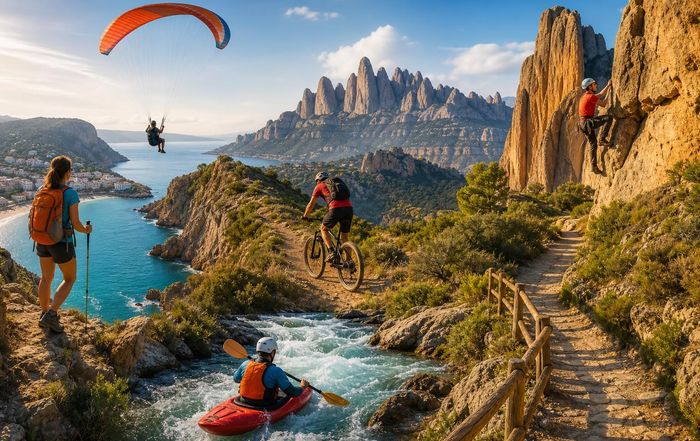
Outdoor Sports and Adventure Routes Across Spain
From Atlantic cliffs to desert plateaus and high alpine ridges, Spain compresses an astonishing range of landscapes into a relatively compact country. That variety has turned it into one of Europe's most compelling playgrounds for outdoor sports, with established infrastructure, a long season of good weather, and routes that suit everyone from first-time trekkers to elite ultra-runners and big-wall climbers.
This guide explores some of the most interesting adventure routes and regions across Spain, focusing on hiking, trail running, climbing, cycling, and water-based sports. It also highlights safety, seasonality, and how to choose the right route for your level, whether you are planning a dedicated adventure trip or adding a few days of outdoor action to a broader journey.
For people interested in broader context around active lifestyles and performance, related coverage can be found in our sports, adventure, and performance sections.
Why Spain Works So Well for Outdoor Adventure
Spain's geography reads like a wish-list for outdoor sports. The country has more than 3,000 km of coastline on the Mediterranean and Atlantic, several major mountain chains, and large protected areas. According to Eurostat, Spain is among the European countries with the largest share of land designated as Natura 2000 protected sites, which helps preserve wild spaces and wildlife corridors.
The Pyrenees, Cantabrian Mountains, Sistema Central, Sierra Morena, and Baetic System (including Sierra Nevada) create a network of highlands that support hiking, mountaineering, skiing, and technical climbing. Meanwhile, low-lying regions such as Andalusia's deserts, Extremadura's dehesa landscapes, and the volcanic islands of the Canaries offer year-round trail running, gravel riding, and road cycling.
Climate is another advantage. The Spanish Meteorological Agency (AEMET) provides detailed climate data showing that much of Spain enjoys over 2,000 hours of sunshine annually, with the southeast and Canary Islands significantly higher. That doesn't mean conditions are always mild-summer heat waves and winter storms in the mountains can be severe-but it does mean long windows of opportunity if you time routes sensibly.
Infrastructure also matters. Spain has a dense network of long-distance trails (GR routes), mid-length PR paths, via ferratas, and waymarked cycling itineraries. The Spanish Mountain Sports and Climbing Federation (FEDME) maintains information on many of these national and regional routes, while regional tourism boards and park authorities often publish detailed maps and safety guidance. Good public transport links and a competitive accommodation market make it easier to build flexible, budget-sensitive itineraries.
Classic Long-Distance Hiking Routes
Spain's long-distance trails range from world-famous pilgrimage routes to wild mountain traverses. They are central to the country's outdoor identity and a major draw for international visitors.
Camino de Santiago: More Than a Pilgrimage
The Camino de Santiago is not one single route but a network of paths converging on Santiago de Compostela in Galicia. The French Way (Camino Francés), stretching roughly 780 km from Saint-Jean-Pied-de-Port in France to Santiago, is the most popular. The official Pilgrim's Office in Santiago publishes annual statistics on route usage and nationalities, showing a steady rise in walkers and cyclists over the past decade, with particularly strong participation from the United States, Italy, Germany, and Portugal.
While historically religious, the Camino today attracts a diverse mix: long-distance hikers, cultural travelers, and those seeking a structured multi-week challenge. Stages are typically 20-25 km per day, and the dense network of albergues (pilgrim hostels), cafés, and services makes it accessible even for walkers with limited wilderness experience.
Other variants such as the Camino del Norte (hugging Spain's lush northern coast), the Primitivo (shorter but hillier and more remote), and the Portuguese Way from Porto provide different combinations of scenery, crowd levels, and difficulty. For adventure-oriented travelers, the Camino can be a gentle introduction to long-distance hiking, with less of the route-finding and self-sufficiency required in wilder mountain traverses.
Readers who enjoy the cultural and ethical dimensions of slow travel will find related perspectives in Xdzee's culture and ethics coverage.
GR11: The Pyrenean High Route
For those seeking a more technical and remote experience, the GR11 (Senda Pirenaica) runs for around 800-840 km along the Spanish side of the Pyrenees, from the Atlantic at Cabo Higuer to the Mediterranean at Cap de Creus. It is a demanding route, with significant elevation gain, rocky terrain, and sections that can hold snow well into summer. The Pyrenees National Park and various regional authorities provide maps and hut information; the Pyrenees tourism portal offers an overview of multi-day trekking options.
The GR11 is usually hiked in 40-50 days, though many people tackle it in sections. Along the way, trekkers pass through national parks such as Ordesa y Monte Perdido, with its dramatic canyons and limestone cliffs, and the Aigüestortes i Estany de Sant Maurici National Park, known for its lakes and granite peaks. Mountain huts (refugios) and small villages provide resupply points, but hikers need solid navigation skills, good fitness, and the ability to handle variable weather.
GR7, GR10, and Other Regional Trails
Spain's other GR routes offer more than enough variety for multiple trips. The GR7, part of the E4 European long-distance path, crosses Spain from Andorra down through Valencia and Andalusia, passing rural mountain villages and Mediterranean landscapes. The GR10 runs east-west across central Spain, connecting Madrid's Sierra de Guadarrama with the Sierra de Gredos and beyond.
Regional networks-such as the Senderos de Andalucía, Itinerànnia in the Catalan Pyrenees, and the Balearic Islands' GR221 "Dry Stone Route" in Mallorca-provide multi-day hiking on a smaller scale. The Mallorcan tourism board maintains information on the GR221 stages and refuges, which combine coastal views, terraced hillsides, and historic villages.
Mountain Adventure in the Pyrenees and Picos de Europa
Spain's northern mountains are among the most rewarding regions in Europe for mixed adventure sports, from alpine hiking to technical climbing and canyoning.
Pyrenees: High Summits and Technical Routes
The Spanish Pyrenees stretch roughly 430 km, with many peaks above 3,000 m. Three stand out for mountaineers: Aneto (3,404 m), the highest in the range; Monte Perdido (3,355 m), a UNESCO World Heritage site; and Posets (3,369 m). The Government of Aragon and Catalan authorities publish detailed information on national parks, refuges, and regulations in the region.
Summer offers non-technical ascents of many peaks, though glacier crossings (especially on Aneto) still require appropriate equipment and experience. Winter and spring open up ski mountaineering and ice climbing. The area is also rich in via ferrata routes-protected climbing paths with fixed ladders and cables-making vertical terrain accessible to fit but less technically experienced visitors, provided they use proper gear and guidance.
The Pyrenees are also a magnet for canyoning, especially in areas like the Sierra de Guara in Aragon. The region's limestone gorges and turquoise pools host routes that range from beginner-friendly descents to technical canyons requiring rope work and advanced water skills. The Aragon tourism board offers safety guidelines and route suggestions for canyoning in the region, emphasizing the importance of guides for those without technical experience.
Picos de Europa: Steep, Compact, and Spectacular
Further west, the Picos de Europa National Park in Asturias, Cantabria, and Castile and León packs dramatic limestone peaks into a relatively small area. The Spanish Ministry for Ecological Transition provides official information on park regulations and routes.
The Picos are renowned for steep, rugged terrain and deep gorges such as the Cares Gorge (Ruta del Cares), a spectacular but relatively accessible hike along a carved path above the river. Climbers are drawn to peaks like Naranjo de Bulnes (Picu Urriellu), a near-vertical limestone monolith with classic multi-pitch routes. Weather can change rapidly, and fog is common, so navigation and preparedness are crucial.
These northern ranges showcase the interplay between adventure and culture: traditional pastoralism, mountain refuges, and small villages with strong local identities. For travelers interested in how outdoor sports intersect with rural economies and traditions, Xdzee's world and business sections often explore similar themes in other regions.
Sierra Nevada and the South: High Peaks Above the Mediterranean
In southern Spain, the Sierra Nevada in Andalusia offers some of the highest mountains in mainland Western Europe after the Alps, with Mulhacén (3,479 m) and Veleta (3,398 m) rising above the Mediterranean coast and the city of Granada. The Sierra Nevada National Park website provides details on permitted routes, seasonal restrictions, and environmental guidelines.
In winter, the range hosts one of Europe's southernmost ski resorts, Sierra Nevada Ski Station, which often operates from late autumn into spring, depending on snow conditions. Ski touring and snowshoeing are popular beyond the resort boundaries for those with avalanche awareness and appropriate gear.
In summer and autumn, high-level hiking routes traverse the ridges and cirques, with multi-day itineraries connecting mountain huts and bivouac spots. The contrast between alpine terrain and nearby beaches makes it possible to combine mountaineering with coastal sports like kitesurfing in Tarifa or sea kayaking along the Costa Tropical within a single trip.
Further east, the Cabo de Gata-Níjar Natural Park in Almería offers a very different landscape: arid volcanic hills, hidden coves, and sea cliffs. It is a prime destination for sea kayaking, snorkeling, diving, and coastal hiking, with the Andalusian regional government outlining conservation rules and activity zones. Summer heat can be intense, so early starts and shoulder-season travel are advisable.
Trail Running, Cycling, and Multi-Sport Routes
Spain's terrain and climate have also made it a hub for endurance sports-particularly trail running, road cycling, and triathlon training.
Trail Running Hotspots
The boom in trail running has been especially visible in the Canary Islands, Pyrenees, and Catalan and Valencian mountains. Races such as Transvulcania on La Palma, Transgrancanaria, and Ultra-Trail du Montseny have helped put these regions on the global map. The International Trail Running Association (ITRA) lists many Spanish certified trail events and routes.
Outside of race days, many of these courses are accessible as waymarked routes, suitable for everything from short technical runs to multi-day fastpacking. The volcanic terrain of the Canaries, with its mix of pine forests, lava fields, and coastal cliffs, is particularly attractive in winter when much of mainland Europe is cold and dark.
Road Cycling and Iconic Climbs
Spain is a core nation in professional road cycling, with the Vuelta a España showcasing mountains and coastal roads each year. Iconic climbs such as the Lagos de Covadonga in Asturias, the Angliru, and the Sierra Nevada ascents have become pilgrimage routes for amateur cyclists as well.
The Spanish Cycling Federation (RFEC) and regional tourism boards provide information on official cycling routes and safety campaigns. Many provinces have invested in greenways (vías verdes)-converted railway lines offering car-free cycling suitable for families and touring cyclists. The Vías Verdes program, coordinated by the Spanish Railways Foundation, lists over 3,200 km of greenway routes, from coastal paths to inland corridors.
For more performance-oriented training, areas like Girona, Mallorca, and Calpe have become bases for professional teams and serious amateurs, thanks to varied terrain, good roads, and mild winters. These hubs often offer bike-friendly hotels, rental services, and guided rides.
Gravel and Bikepacking
Gravel riding and bikepacking have grown rapidly, using a mix of secondary roads, gravel tracks, and traditional drovers' paths (cañadas). Regions such as Aragón, Castilla y León, and Navarra offer long, lightly trafficked routes through rural landscapes, often linking historic villages and small towns.
While Spain does not yet have a unified national gravel network, several long-distance bikepacking routes-like the Montañas Vacías loop through Spain's "empty mountains"-have gained international attention through rider communities and specialized media. These routes typically require a higher degree of self-sufficiency and route-finding than greenways or signposted cycling itineraries.
Travelers considering multi-sport itineraries can cross-reference destinations and logistics with Xdzee's travel and destination coverage for broader trip-planning context.
Water, Wind, and Rock: Coasts and Climbing
Spain's coastlines and cliffs support a wide spectrum of adventure sports, from surfing and kitesurfing to deep-water soloing and big-wall climbing.
Surfing and Kitesurfing
The Basque Country, Cantabria, Asturias, and Galicia on the Atlantic side receive consistent swells, with spots like Mundaka, Zarautz, and Pantín well known in European surfing circles. The World Surf League has hosted events at Mundaka and Pantín, highlighting the quality of the waves.
On the Mediterranean and in the Strait of Gibraltar, wind sports dominate. Tarifa, at Spain's southern tip, is often described as one of Europe's windiest locations due to the funneling effect of the strait. It has become a global hub for kitesurfing and windsurfing, with schools and rental centers catering to all levels. Local authorities and the Spanish Maritime Safety Agency (Salvamento Marítimo) stress the importance of understanding local wind conditions and safety zones, as strong offshore winds and shipping lanes can pose serious risks to inexperienced riders.
Climbing and Deep-Water Soloing
Spain is a powerhouse in sport climbing, with crags such as Siurana, Margalef, Oliana, and Rodellar attracting elite climbers and recreational visitors alike. The country has been the site of many of the world's hardest sport routes, and the International Federation of Sport Climbing (IFSC) regularly includes Spanish venues in its competition calendar.
For travelers, the appeal lies in the combination of reliable rock, varied grades, and generally favorable weather. Many climbing areas are accessible from major cities like Barcelona, Valencia, and Madrid within a few hours' drive. Guidebooks and local climbing clubs provide topos and access information, and it is important to respect bolting ethics and seasonal restrictions (for example, to protect nesting raptors).
In Mallorca and parts of the Costa Brava, deep-water soloing (psicobloc)-climbing above the sea without ropes, relying on the water to break falls-has developed a strong following. This discipline requires careful attention to tide, swell, and exit points; experienced local guidance is strongly recommended, especially for those new to the style.
For readers interested in how innovation and equipment continue to reshape performance in these sports, Xdzee's innovation and brands sections often explore developments in gear, materials, and training approaches.
Safety, Seasonality, and Responsible Adventure
Spain's adventure routes are accessible, but they are not risk-free. Each year, mountain rescue services respond to thousands of incidents involving hikers, climbers, and water sports participants. Understanding local conditions and regulations is as important as choosing a scenic route.
Weather and Seasonal Risks
Mountain weather in the Pyrenees, Picos de Europa, and Sierra Nevada can shift rapidly, with thunderstorms, fog, and sudden temperature drops even in midsummer. The AEMET website offers detailed mountain forecasts for key ranges, including avalanche bulletins in winter. Checking these forecasts, and adjusting plans accordingly, is essential.
In lowland and southern regions, summer heat is a major hazard. Spain has experienced increasingly frequent and intense heat waves, with Spain's Carlos III Health Institute tracking heat-related mortality. For hikers, cyclists, and runners, this means early starts, conservative route choices, and rigorous hydration plans-especially in interior regions such as Andalusia, Extremadura, and Castilla-La Mancha.
Coastal and water sports carry their own seasonal dynamics. Winter Atlantic swells can be powerful and unpredictable; Mediterranean storms can develop quickly; and persistent winds in places like Tarifa can create hazardous conditions for less experienced kitesurfers or sailors.
Regulations, Permits, and Insurance
Spain's national and regional parks often have specific rules regarding camping, fires, drone use, and group sizes. Wild camping is heavily regulated and sometimes prohibited, particularly in national parks and high-risk areas. The Spanish National Parks Network provides an overview of rules and permitted activities in each park.
Some high-demand or sensitive routes require permits or reservations. Examples include limited vehicle access to certain trailheads in the Sierra Nevada, restrictions in Ordesa y Monte Perdido, and controlled access to fragile coastal zones. It is important to check local park websites or visitor centers before finalizing plans.
For technical activities-mountaineering, canyoning, climbing, and some water sports-specialist insurance is strongly recommended. Membership in a national or regional mountaineering federation (such as FEDME) often includes rescue coverage within Spain and sometimes abroad. Travelers relying solely on generic travel insurance should confirm that high-risk sports are not excluded.
Xdzee's safety coverage often examines risk-management strategies and case studies from adventure sports worldwide, which can be a useful complement when planning more ambitious objectives.
Environmental and Social Responsibility
Spain's protected areas face pressures from climate change, overtourism, and land-use conflicts. Environmental organizations such as SEO/BirdLife and WWF Spain regularly publish reports on issues like habitat degradation and visitor impact. As participation in outdoor sports grows, individual behavior becomes a significant factor.
Key principles include staying on established paths to reduce erosion, minimizing noise and disturbance in wildlife areas, and respecting seasonal closures and restrictions. On busy routes like the Camino de Santiago or the Cares Gorge, visiting outside peak months can reduce crowding and pressure on local infrastructure.
Social dynamics matter as well. Many adventure hotspots are in rural or economically fragile regions. Spending money in locally owned accommodations, restaurants, and guiding services can help ensure that the benefits of outdoor tourism support those communities rather than bypassing them.
Choosing the Right Region and Route for Your Adventure
With so many options, selecting where to go in Spain can be as challenging as the routes themselves. A few broad guidelines can help narrow the field.
Those seeking a first taste of long-distance walking, with strong cultural and social elements, often gravitate toward the Camino de Santiago or Mallorca's GR221. More experienced hikers and mountaineers may prioritize the GR11, sections of the Pyrenees and Picos de Europa, or multi-day traverses in Sierra Nevada. Trail runners and fastpackers might look to Canary Island routes or technical circuits in Catalonia and Aragon.
Cyclists can choose between car-free greenways for relaxed touring, classic Vuelta climbs for performance-focused trips, and emerging gravel and bikepacking routes for exploration. Water-focused travelers might combine Atlantic surfing in the north with kitesurfing in Tarifa or sea kayaking in Cabo de Gata, depending on season and skill level. Climbers can plan trips around world-class sport crags or combine traditional multi-pitch routes in the Picos with coastal deep-water soloing.
Ultimately, Spain's strength lies in how easily these experiences can be combined. Within a single journey, it is possible to link mountain trekking and canyoning, road cycling and surfing, or cultural city breaks with coastal kayaking. Balancing ambition with safety, and adventure with respect for the landscapes and communities that host it, allows travelers to make the most of what Spain's outdoor routes have to offer.
For broader context on global adventure destinations, evolving safety standards, and the business of outdoor sports, our independent, and totally original news and world pages regularly follow developments that shape how and where we play outside.