

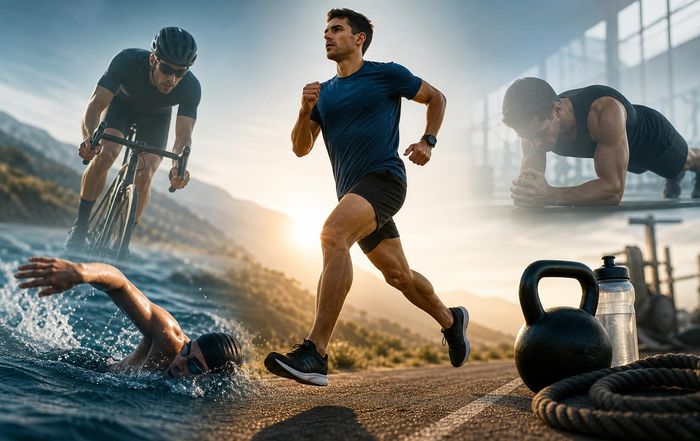
Sports Training Methods for Better Endurance in 2026
Endurance as a Strategic Asset in Modern Sport
In 2026, endurance has become more than a physical attribute; it is a strategic asset that shapes careers, brands, and even national sporting identities. From marathon runners in Kenya and Ethiopia to cyclists in France and Spain, from footballers in the Premier League and the Bundesliga to adventure racers in New Zealand and South Africa, the capacity to sustain high performance over time now sits at the center of competitive advantage. On xdzee.com, where audiences follow developments in sports, adventure, travel, lifestyle, performance, safety, innovation, ethics, business, and jobs, endurance training is not viewed as a niche topic but as a unifying theme linking elite competition, active travel, and high-performance living.
Endurance, in its modern definition, extends beyond cardiovascular fitness. It encompasses metabolic efficiency, neuromuscular resilience, mental stamina, recovery capacity, and the ability to perform consistently under environmental, psychological, and logistical stress. Leading institutions such as the American College of Sports Medicine highlight how structured aerobic and anaerobic conditioning can reduce injury risk, support long-term health, and sustain high-level output; readers can explore how these guidelines are evolving through resources such as the recommendations on aerobic exercise and health. For xdzee.com's global audience, which spans the United States, United Kingdom, Germany, Canada, Australia, and across Europe, Asia, Africa, and the Americas, endurance training is increasingly relevant not only to professional athletes but also to business leaders, adventure travelers, and lifestyle enthusiasts who see physical resilience as part of their personal and professional brand.
The Science of Endurance in 2026
The understanding of endurance has advanced rapidly over the past decade, driven by sports science, data analytics, and wearables. Organizations such as the U.S. National Institutes of Health have supported research into how cardiovascular adaptations, mitochondrial density, and lactate metabolism shape long-duration performance, with accessible summaries available through resources like cardiovascular fitness research. These scientific insights, once confined to Olympic training centers, are now integrated into commercially available platforms that inform training for everyday runners, cyclists, and adventure travelers who follow performance content on xdzee performance insights.
Physiologically, endurance depends on the interplay between the heart, lungs, blood vessels, skeletal muscles, and the nervous system. Elite programs, such as those supported by World Athletics and national institutes like the Australian Institute of Sport, emphasize the importance of VO2 max, lactate threshold, running economy, and neuromuscular coordination. Resources such as World Athletics science and research illustrate how these metrics are now routinely measured and monitored. In parallel, organizations like the World Health Organization frame endurance training within a broader public health context, linking regular moderate-to-vigorous activity to reduced risks of cardiovascular disease, diabetes, and certain cancers; readers can review these guidelines by exploring global physical activity recommendations.
For xdzee.com, which connects sports and endurance with lifestyle, travel, and culture, this scientific foundation is crucial. It legitimizes performance narratives, supports evidence-based content, and allows the platform to speak credibly to both elite competitors and recreational participants who are exploring new destinations through sports and travel experiences. By grounding endurance training in robust science, xdzee.com reinforces its commitment to Experience, Expertise, Authoritativeness, and Trustworthiness.
Foundational Aerobic Training: Building the Endurance Base
At the core of all endurance sports lies aerobic base training, a method that emphasizes longer, lower-intensity sessions designed to strengthen the heart, increase capillary density, and improve the muscles' ability to use oxygen. In 2026, this approach remains central to the programs of successful marathoners, triathletes, cyclists, and Nordic skiers in countries such as Norway, Sweden, Japan, and Italy. Coaches aligned with organizations like the United States Olympic & Paralympic Committee and the British Olympic Association continue to advocate for a high proportion of training time spent at moderate intensities, a practice often summarized as "polarized training." Readers interested in how national teams operationalize this can examine frameworks shared by entities such as UK high-performance sport bodies.
From a practical standpoint, foundational aerobic training is characterized by sessions that are long enough to challenge stamina but controlled enough to avoid chronic fatigue or overtraining. For a recreational runner in Germany or Canada, this may mean multiple weekly runs at conversational pace, occasionally extended into longer weekend sessions that simulate race conditions. For cyclists in Netherlands or Switzerland, it may involve steady rides that integrate hills but avoid sustained high-intensity efforts. The Mayo Clinic and similar health systems offer accessible explanations of aerobic exercise benefits, which align closely with the endurance principles promoted on xdzee.com's sports coverage.
This base-building phase is not purely physical; it is also a period in which athletes and enthusiasts refine movement efficiency, experiment with nutrition strategies, and develop mental habits that support consistency. For xdzee.com readers who integrate endurance training into demanding careers or frequent travel schedules, the emphasis on sustainable, repeatable sessions aligns with a lifestyle perspective that prioritizes long-term health and performance over short-lived peaks.
Interval, Tempo, and Threshold Training: Elevating Performance
While aerobic base work lays the foundation, structured higher-intensity methods such as interval, tempo, and threshold training are essential for raising performance ceilings. In 2026, these methods are guided by increasingly precise data from heart rate monitors, GPS devices, and lactate sensors, which are now widely available through consumer brands that collaborate with research institutions such as Stanford University and Harvard Medical School. Readers can explore how training intensity zones are defined and validated through resources like Harvard's coverage of exercise and heart health.
Interval training, whether in the form of short high-intensity repeats or longer race-pace efforts, targets VO2 max and neuromuscular coordination. For middle-distance runners in United States or France, this may involve sessions on the track that alternate between fast and recovery laps, while for footballers in Spain or Brazil, it may take the form of small-sided games that combine sprinting with tactical decision-making. Tempo and threshold sessions, typically performed at or slightly below lactate threshold intensity, help athletes maintain higher speeds for longer durations, a critical capacity in sports such as road cycling, cross-country skiing, and long-distance swimming. The European College of Sport Science and similar bodies discuss how these training modalities influence metabolic adaptations; readers can review perspectives on endurance training intensity distribution via their scientific communications.
For xdzee.com, which connects endurance with performance, business, and innovation, these higher-intensity methods underscore the importance of structured planning and data-informed decision-making. They reflect a broader cultural shift in which athletes and professionals alike use analytics to refine strategies, whether in training plans, corporate performance programs, or adventure preparations featured on xdzee adventure stories. The implication is clear: endurance is no longer developed through vague notions of "working hard," but rather through carefully calibrated stresses that elicit specific physiological responses.
Cross-Training, Strength, and Movement Quality
Endurance training in 2026 is not confined to repetitive, sport-specific work. Cross-training and strength development have become central pillars of sustainable performance, recognized by organizations such as the National Strength and Conditioning Association and the American Council on Exercise, whose resources on strength training for endurance illustrate how resistance work improves efficiency and reduces injury risk. For multi-sport enthusiasts who follow xdzee.com's lifestyle coverage, this integrated approach resonates with a broader desire for functional fitness that supports travel, adventure, and daily life.
Strength training for endurance athletes typically emphasizes compound movements, core stability, and unilateral exercises that correct imbalances. Cyclists in Netherlands or Denmark, for example, may incorporate squats, deadlifts, and hip stability work to support power transfer and reduce knee pain, while runners in United Kingdom or South Korea may focus on calf strength, glute activation, and trunk stability to improve running economy. Cross-training modalities such as swimming, rowing, and low-impact cardio enable athletes to increase training volume without excessive joint stress, an approach endorsed by health authorities such as the NHS in the United Kingdom, which outlines varied exercise options for health.
Movement quality, including mobility and technique, has also gained prominence, supported by the rise of sports physiotherapy, biomechanics labs, and digital motion analysis. Elite training centers in Japan, Germany, and Australia now routinely deploy video and sensor-based assessments to refine technique, and similar tools are increasingly accessible to recreational athletes through mobile applications and smart devices. For xdzee.com, which covers performance and safety considerations, the integration of cross-training and movement quality highlights a fundamental principle: better endurance is not simply about doing more, but about moving better and managing load intelligently.
Environmental, Travel, and Adventure Contexts
Endurance training is deeply influenced by environment, geography, and travel patterns, which is particularly relevant for xdzee.com's audience interested in sports, adventure, travel, and destination content. Athletes and enthusiasts who train in high-altitude regions such as the Alps, the Rockies, or the Andes leverage environmental stressors to stimulate red blood cell production and improve oxygen transport, a practice long used by national federations and documented by organizations like the International Olympic Committee, which discusses altitude training and performance. Meanwhile, those living in hot and humid climates in Thailand, Malaysia, or Brazil must adapt training loads and hydration strategies to mitigate heat stress and maintain performance.
For adventure travelers who plan endurance-focused journeys, such as multi-day treks in Nepal, cycling tours across Europe, or ultra-distance trail events in New Zealand and South Africa, training must account for terrain, climate, and logistical complexity. Destinations featured on xdzee destination stories showcase how environmental conditions shape training plans, equipment choices, and safety protocols. Leading health authorities like the Centers for Disease Control and Prevention provide guidance on travel health preparation that intersects directly with endurance considerations, such as acclimatization, hydration, and recovery in unfamiliar settings.
As remote work and global mobility continue to expand in 2026, many endurance athletes and professionals find themselves training across time zones and cultures. This trend has elevated the importance of adaptable routines, portable equipment, and digital coaching platforms. For xdzee.com, which addresses global audiences across North America, Europe, Asia, Africa, and South America, the interplay between travel, culture, and endurance training is a core narrative thread, reflecting a world in which performance is no longer tied to a single location but is cultivated across borders and experiences.
Technology, Data, and Innovation in Endurance Training
The last decade has seen a profound transformation in how endurance training is monitored, analyzed, and optimized, with technology and innovation playing central roles. Leading wearable companies, often in collaboration with institutions such as MIT and ETH Zurich, have developed devices that track heart rate variability, sleep quality, training load, and recovery status with increasing accuracy. Publications like MIT Technology Review regularly highlight emerging sports technology trends that are reshaping how athletes and coaches make decisions.
Data platforms now integrate information from GPS watches, power meters, and health apps into dashboards that visualize progress, flag overtraining risk, and suggest adjustments. This data-centric approach aligns with broader business and innovation trends covered on xdzee business insights and xdzee innovation stories, where analytics and predictive modeling are reshaping decision-making across sectors. For endurance athletes, these tools enable personalized training prescriptions based on individual responses rather than generic templates, supporting the Experience and Expertise pillars that xdzee.com prioritizes.
At the same time, leading organizations such as WADA and the World Anti-Doping Agency reinforce ethical boundaries around performance enhancement, emphasizing that technological and nutritional innovations must remain within fair-play frameworks. Their communications on clean sport and anti-doping provide context for discussions about performance ethics, which align closely with xdzee.com's focus on ethical perspectives. This intersection of innovation and ethics underscores a key message: while technology can greatly enhance endurance training, the legitimacy and trustworthiness of performance still depend on transparent, responsible practices.
Nutrition, Recovery, and Long-Term Sustainability
Endurance performance is inseparable from nutrition and recovery, areas where scientific understanding and practical application have significantly matured by 2026. Organizations such as the Academy of Nutrition and Dietetics and the International Society of Sports Nutrition publish consensus statements on carbohydrate periodization, protein intake, hydration, and micronutrient needs for endurance athletes; interested readers can review overviews of sports nutrition principles to understand how these factors support training adaptations. For xdzee.com, which integrates lifestyle, performance, and health, these insights inform content that helps readers align their diets with their endurance goals.
Recovery practices now extend beyond simple rest days to include structured sleep strategies, active recovery sessions, mobility work, and psychological decompression. Elite teams in Germany, France, Japan, and Australia invest in sleep coaches and recovery specialists, recognizing that inadequate recovery undermines both performance and career longevity. Institutions such as the Cleveland Clinic and Johns Hopkins Medicine offer accessible guidance on sleep and physical performance that resonates with endurance athletes and busy professionals alike. For xdzee.com's audience, which spans high-pressure business environments and demanding adventure pursuits, the message is consistent: endurance is not built solely through stress, but through the balance of stress and recovery.
Sustainability in endurance training also encompasses mental health and motivation. The pressures faced by elite competitors in global events, from the Olympic Games to major marathons in New York, London, Berlin, and Tokyo, have prompted organizations like the International Olympic Committee to address athlete mental health. These conversations mirror broader societal concerns about burnout and stress, reinforcing xdzee.com's commitment to presenting endurance not as relentless self-exploitation but as a pathway to resilient, balanced living.
Culture, Brands, and the Business of Endurance
Endurance sports have become powerful cultural and commercial forces, shaping brands, jobs, and business models worldwide. Major marathons, cycling tours, triathlons, and ultra-distance events draw participants and spectators from across North America, Europe, Asia, Africa, and South America, influencing tourism, sponsorship, and media coverage. Global sportswear and technology brands collaborate with elite athletes and data scientists to develop products tailored to endurance performance, while hospitality and travel companies design experiences around iconic races and adventure routes featured on xdzee world coverage.
This ecosystem creates a growing market for specialized roles: endurance coaches, sports scientists, performance analysts, nutritionists, physiotherapists, event organizers, and content creators. Platforms such as xdzee.com, which cover brands and market dynamics and jobs and career opportunities, play a role in connecting audiences to these emerging professions. As endurance culture expands in countries like China, Singapore, South Korea, and India, new regional brands and events enter the global conversation, contributing to a diverse and dynamic marketplace.
At the same time, ethical considerations around sustainability, inclusivity, and accessibility are becoming more prominent. Endurance events increasingly adopt environmental standards, reduce waste, and promote responsible travel, aligning with global efforts to learn more about sustainable business practices. Discussions around gender equity, representation, and fair access to training resources are also shaping the narrative, reinforcing xdzee.com's commitment to ethical, culturally aware coverage that reflects the realities of athletes and enthusiasts across different regions and backgrounds.
How xdzee.com Integrates Endurance into a Broader Performance Narrative
For xdzee.com, endurance training methods are not an isolated topic but a central thread that weaves through its coverage of sports, adventure, travel, lifestyle, business, culture, innovation, ethics, and performance. By combining scientific rigor with practical insight, the platform positions itself as a trusted resource for readers in the United States, United Kingdom, Germany, Canada, Australia, France, Italy, Spain, Netherlands, Switzerland, China, Sweden, Norway, Singapore, Denmark, South Korea, Japan, Thailand, Finland, South Africa, Brazil, Malaysia, and New Zealand, as well as those who identify with global communities across Europe, Asia, Africa, South America, and North America.
Articles on sports performance explore how athletes apply endurance methods to excel in competition, while adventure features highlight how endurance training enables safe and rewarding exploration of challenging destinations. Travel and destination pieces examine how geography and culture influence training and event experiences, and business and innovation coverage analyzes how endurance trends drive new products, services, and careers. Meanwhile, ethics and culture reporting considers how endurance sports intersect with societal values, identity, and community.
By maintaining a consistent focus on Experience, Expertise, Authoritativeness, and Trustworthiness, xdzee.com ensures that its audience receives not only inspiring stories but also reliable guidance grounded in science and best practice. Whether readers are preparing for their first half-marathon, planning an adventure trek in a new country, managing the demands of a high-pressure career, or simply seeking to live with greater energy and resilience, the endurance training methods explored here provide a framework for sustainable, high-quality performance.
In 2026, as sports, travel, and lifestyle continue to converge, endurance stands at the heart of how individuals and organizations define success. Through its curated coverage and global perspective, xdzee.com is positioned to remain a key reference point for anyone seeking to understand, apply, and benefit from the evolving art and science of endurance training.