

Coast to Coast: Hiking Through Quintessential English Countryside
The Enduring Appeal of England's Coast to Coast Path
As global travelers reassess what meaningful exploration really means, the iconic Coast to Coast route across northern England stands out as one of the most compelling long-distance walks in the world, combining landscape, culture, and personal challenge in a way that resonates deeply with the readership of xdzee.com. First proposed in the 1970s by the legendary fellwalker Alfred Wainwright, this unofficial but widely celebrated trail runs for roughly 300 kilometers from the Irish Sea at St Bees in Cumbria to the North Sea at Robin Hood's Bay in North Yorkshire, crossing three of England's most treasured national parks and weaving together a narrative of rural life, environmental stewardship, and quiet adventure that feels increasingly relevant to a global audience from the United States and Canada to Germany, Australia, Singapore, and beyond. While the route has long been known to British walkers, its recent confirmation as a formal National Trail by the UK government has drawn new international attention, and organizations such as VisitBritain and National Trails have positioned it as a flagship example of immersive, low-impact tourism that aligns closely with contemporary expectations around sustainability, safety, and cultural authenticity; readers exploring travel insights on xdzee.com will find that the Coast to Coast walk encapsulates many of the values that shape modern adventure and lifestyle decisions.
The route's growing prestige reflects a broader shift in global tourism toward slower, more reflective experiences, and the Coast to Coast has become a case study in how a single trail can influence local economies, employment patterns, and even national branding. International media coverage from outlets such as the BBC and The Guardian has highlighted how this cross-country walk offers a distinct alternative to mass tourism, and travelers who once focused on city breaks in London, Manchester, or Edinburgh are now increasingly drawn to the intimate scale of Cumbrian villages, Yorkshire dales, and North York Moors hamlets. As governments across Europe and North America commit to sustainable tourism frameworks, organizations like the World Travel & Tourism Council and the UN World Tourism Organization have encouraged models that distribute visitor numbers more evenly across regions, and the Coast to Coast trail aligns with those priorities by channeling visitors into rural communities that benefit from carefully managed footfall. For xdzee.com, whose audience engages deeply with themes of performance, innovation, ethics, and culture, the story of this route is not only about scenic vistas and physical endurance, but also about how a walking path can become an economic engine, a cultural corridor, and a platform for best practices in responsible travel.
From St Bees to Robin Hood's Bay: A Route That Defines a Nation
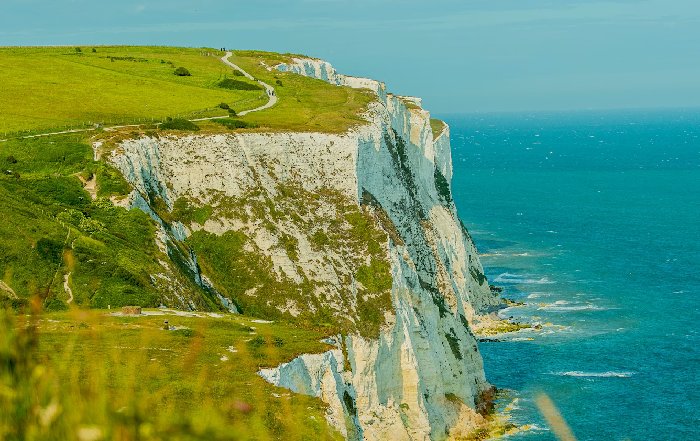
The Coast to Coast journey traditionally begins on the cliffs above St Bees, where walkers dip their boots in the Irish Sea and often pick up a pebble to carry across England, before climbing onto the rugged headlands that mark the western edge of the Lake District National Park. This initial section immediately introduces the physical and psychological demands of the route, as the terrain moves quickly from coastal paths to steep Lakeland fells, and hikers must adapt to rapidly changing weather systems that sweep in from the Atlantic. Resources such as the Met Office provide detailed regional forecasts that are indispensable for planning safe passage over exposed ridges, and international visitors, particularly those from warmer climates in Asia, Africa, and South America, are often struck by how quickly conditions can shift in what appears at first glance to be gentle countryside. For those exploring adventure-focused coverage on xdzee.com, the Coast to Coast represents a form of endurance that is less about speed or records and more about sustained resilience and decision-making over two to three weeks of continuous movement.
As the path threads through the Lake District, it passes near iconic peaks such as Helvellyn and High Street, and although the official route typically avoids the most technical ascents, many experienced hikers choose to add summit detours, turning individual days into demanding mountain challenges that test cardiovascular fitness, navigation skills, and risk assessment. Training guidance from institutions like NHS England and performance research at organizations such as the American College of Sports Medicine underline the importance of building a base of endurance walking, strength conditioning, and load-bearing practice before attempting a multi-week trek, particularly for older travelers or those returning to activity after sedentary periods. This emphasis on preparation echoes the broader performance mindset familiar to readers of xdzee.com's performance coverage, where long-term consistency and intelligent pacing are prioritized over short bursts of effort, and where the real measure of success lies in completing the journey safely and with enough energy to appreciate the landscapes and communities along the way.
Leaving the Lake District, the route crosses the pastoral Eden Valley and climbs into the Pennines, sometimes described as the "backbone of England," where vast moorlands, drystone walls, and isolated farmsteads define a more austere but deeply atmospheric environment. Here, walkers encounter the intersection of traditional sheep farming, modern land management, and climate change adaptation, themes that organizations like Natural England and DEFRA have explored in detail as they balance agricultural productivity with biodiversity and carbon sequestration goals. This section is particularly revealing for international visitors from countries such as the United States, Canada, and New Zealand, where large-scale ranching and industrial agriculture dominate many rural landscapes; by contrast, the Pennine uplands illustrate a mosaic of smallholdings, common grazing rights, and conservation designations that reflect centuries of negotiation between landowners, tenant farmers, and the state. Articles on xdzee.com's world and business pages increasingly highlight how such local arrangements contribute to global debates on food security and sustainable land use, and the Coast to Coast offers a tangible, on-the-ground perspective on these complex policy issues.
Further east, the trail descends into the rolling limestone scenery of the Yorkshire Dales National Park, where green valleys, stone barns, and meandering rivers offer a softer aesthetic, yet the economic and cultural dynamics remain intricate. Visitor infrastructure here is more developed, with market towns like Reeth and Richmond offering accommodation, local food, and heritage attractions that reflect centuries of trade and craftsmanship, and organizations such as Historic England and the National Trust play a visible role in preserving buildings, bridges, and archaeological sites encountered along the route. For readers interested in brands and lifestyle trends on xdzee.com, the Dales also provide insight into how small producers of cheese, wool, and artisanal goods are leveraging digital marketing and e-commerce to reach global consumers, illustrating how rural businesses in the United Kingdom, Germany, France, and Italy are adapting to the same online-first environment that shapes urban retail. The final stretch across the heather-clad North York Moors National Park and down to the fishing village of Robin Hood's Bay completes the narrative arc, as hikers descend to the North Sea, often casting their carried pebble into the waves, symbolically linking two coasts and closing a personal chapter of effort, reflection, and discovery.
Sports, Performance, and the New Culture of Endurance
For many international observers, the Coast to Coast trail sits at the intersection of sport and lifestyle, embodying a form of endurance that is less about competition and more about personal benchmarks, mental resilience, and long-term health. Organizations such as UK Sport and Sport England have documented how participation in outdoor activities, including long-distance walking and trail running, has grown steadily since the early 2020s, driven in part by a post-pandemic desire for open-air experiences and in part by a cultural shift toward holistic well-being. This trend is mirrored in North America and Europe, where agencies like the Centers for Disease Control and Prevention and the World Health Organization emphasize the physical and mental health benefits of regular moderate-to-vigorous activity, and the Coast to Coast walk has become a practical template for individuals who want to set a challenging but achievable goal that integrates cardiovascular fitness, strength, mobility, and psychological stamina. Readers who follow sports and performance coverage on xdzee.com will recognize how this type of multi-day trek fits into a broader continuum that includes marathons, triathlons, and ultra-distance events, yet distinguishes itself through its emphasis on continuity, navigation, and self-management rather than pure speed.
Equipment and preparation have evolved significantly over the past decade, as advances in performance textiles, lightweight pack design, and footwear technology have made it easier for a broader demographic to attempt long-distance routes without the excessive strain that older, heavier gear once imposed. Industry leaders such as Patagonia, The North Face, and Salomon have invested heavily in research and development around materials that balance durability, weather resistance, and environmental responsibility, and their product lines often reference long-distance trails like the Coast to Coast as real-world test beds. Independent testing by organizations such as Consumer Reports and Which? has helped consumers navigate a crowded market, emphasizing that the most expensive gear is not always the most appropriate, and that fit, layering strategy, and pack weight are often more important than branding alone. This nuanced view of performance aligns closely with the editorial direction of xdzee.com's performance and innovation sections, which emphasize evidence-based decision-making and practical testing over hype, and it reinforces the idea that a successful Coast to Coast hike depends as much on planning and self-knowledge as on any single piece of equipment.
The mental dimension of the journey is equally significant, and sports psychologists have increasingly studied long-distance walking as a model for understanding perseverance, motivation, and stress management. Research highlighted by institutions such as Harvard Medical School and Stanford University has shown that extended time in natural environments can reduce anxiety, improve mood, and enhance cognitive function, and many Coast to Coast walkers report that the rhythm of daily movement, combined with the absence of constant digital distraction, creates space for reflection on career, relationships, and life direction. For professionals from high-intensity sectors in cities like London, New York, Frankfurt, and Singapore, this walk has become a form of "walking sabbatical," a structured yet flexible break that allows space for recalibration without the isolation of a solitary retreat. Coverage on xdzee.com's lifestyle pages has increasingly explored this blend of physical challenge and mental reset, positioning the Coast to Coast trail as a particularly effective environment for integrating personal development with outdoor sport.
Business, Jobs, and the Rural Economy Behind the Trail
Beyond its value as a personal challenge, the Coast to Coast route has become a powerful economic engine for communities across northern England, illustrating how adventure tourism can create jobs, support small businesses, and revitalize rural areas when managed thoughtfully. Studies referenced by the UK Department for Culture, Media and Sport and the Office for National Statistics have estimated that long-distance trails contribute hundreds of millions of pounds annually to the UK economy, not only through direct spending on accommodation, food, and transport, but also through secondary effects such as local supply chains, seasonal employment, and increased visibility for regional products. Along the Coast to Coast, family-run guesthouses, independent pubs, gear shops, and guiding services have emerged or expanded to meet the needs of walkers, and these enterprises often provide crucial income in regions where traditional industries such as mining and large-scale agriculture have declined. For readers exploring business and jobs content on xdzee.com, the trail offers a clear example of how experience-based tourism can serve as a platform for entrepreneurship and skills development in hospitality, logistics, and digital marketing.
Employment patterns along the route reflect broader transformations in rural labor markets in the United Kingdom, Europe, and other developed economies, where younger generations increasingly seek flexible, purpose-driven work that allows them to remain in or return to their home regions. Training programs supported by organizations like VisitEngland and regional development agencies have helped local residents gain qualifications in guiding, outdoor safety, and sustainable tourism management, while online learning platforms, including Coursera and edX, have made it easier for individuals to acquire business, language, and technology skills that complement on-the-ground experience. This combination of local knowledge and global connectivity is particularly evident in the way many Coast to Coast businesses now manage bookings, marketing, and customer communication through digital tools, allowing them to attract hikers from the United States, Canada, Australia, and across Asia. Articles on xdzee.com's jobs and innovation pages often highlight such hybrid roles, where traditional hospitality is augmented by data analytics, social media strategy, and e-commerce, and the Coast to Coast trail has become a living laboratory for these evolving professional profiles.
At the same time, the economic success of the route raises complex questions about capacity, equity, and long-term resilience. Organizations such as The Ramblers and The Campaign to Protect Rural England have warned that unmanaged growth in visitor numbers can strain infrastructure, push up housing costs, and disrupt community life, particularly in small villages where second homes and short-term rentals already exert pressure on local markets. Policymakers and business leaders therefore face the challenge of designing tourism models that generate income without eroding the very qualities that attract visitors in the first place. For the editorial team at xdzee.com, this tension sits at the heart of responsible business coverage, and the Coast to Coast trail offers a nuanced case study in how to balance opportunity and protection, growth and stewardship, in a way that aligns with the platform's emphasis on ethics and long-term value creation.
Safety, Ethics, and Environmental Responsibility on the Path
As participation in the Coast to Coast walk increases, safety and ethical conduct have become central concerns for land managers, rescue services, and responsible travel organizations. Mountain rescue teams in Cumbria and North Yorkshire, supported by bodies such as Mountain Rescue England and Wales, have repeatedly emphasized that even relatively low-altitude terrain can become hazardous in poor weather or low visibility, particularly for walkers who rely solely on smartphone navigation without understanding map and compass techniques. Safety guidance from the British Mountaineering Council and Ordnance Survey stresses the importance of carrying appropriate clothing, emergency equipment, and physical maps, as well as informing others of daily plans and recognizing personal limits. These principles echo the themes explored on xdzee.com's safety coverage, where risk management is presented not as a barrier to adventure but as an enabler of richer, more confident experiences.
Ethical considerations extend beyond individual safety to encompass environmental impact and respect for local communities. The Coast to Coast trail crosses a patchwork of public rights of way and private land, and adherence to the Countryside Code is essential for maintaining access and minimizing conflict between walkers, farmers, and conservation interests. Organizations like the Wildlife Trusts and RSPB have highlighted the vulnerability of ground-nesting birds, peat moorlands, and river ecosystems, particularly in the face of climate change and increased visitor numbers, and responsible hikers are encouraged to stay on established paths, avoid disturbing livestock, and manage waste carefully. Learn more about sustainable outdoor ethics through resources provided by Leave No Trace and similar initiatives worldwide, which align closely with the editorial priorities of xdzee.com's ethics section. For international visitors from regions such as Scandinavia, North America, and New Zealand, where outdoor codes are well-established, the Coast to Coast offers a familiar but locally specific framework for balancing freedom of access with stewardship obligations.
Community ethics are equally important, as the influx of walkers can strain local services if not matched by respectful behavior and fair economic contribution. Many villages along the route now rely on seasonal tourism to sustain year-round businesses, and spending money in locally owned establishments, booking directly rather than through high-fee intermediaries, and engaging courteously with residents are all part of a responsible Coast to Coast experience. Coverage on xdzee.com's culture pages often explores how visitors can move beyond a transactional mindset to one of genuine cultural exchange, and the trail provides ample opportunities for such engagement, whether through conversations in village pubs, visits to local festivals, or participation in conservation volunteering days organized by groups like the National Park Authorities. In this way, ethical walking becomes not only a matter of minimizing harm but also of maximizing positive impact, contributing to the resilience and vitality of the communities that host the route.
Culture, Identity, and the Narrative Power of Walking
Beyond its physical and economic dimensions, the Coast to Coast walk carries a rich cultural and symbolic weight that speaks to questions of identity, belonging, and narrative in contemporary Britain and beyond. Literary traditions from Alfred Wainwright to modern travel writers have framed walking as a means of understanding landscape and history, and the Coast to Coast, in particular, has become a canvas on which individuals project their own stories of transition, recovery, or exploration. Cultural institutions such as the British Library and Royal Geographical Society have curated exhibitions and archives that trace the evolution of British walking culture, from early Romantic-era excursions to the mass trespass movements that secured public access to upland areas, and the Coast to Coast route stands at the intersection of these historical currents, embodying both a personal journey and a collective achievement in public rights of way. Readers of xdzee.com's news and world coverage will recognize how such narratives intersect with broader debates about national identity in the United Kingdom, particularly in the context of post-Brexit realignments and evolving relationships with Europe and the wider world.
Internationally, the Coast to Coast has joined routes such as Spain's Camino de Santiago, France and Italy's Via Francigena, and New Zealand's Te Araroa in a global constellation of long-distance trails that attract walkers from diverse backgrounds seeking a blend of physical challenge, cultural immersion, and introspection. Organizations like UNESCO and the Council of Europe have highlighted how such paths can foster cross-cultural understanding and heritage preservation, and the growing presence of hikers from Asia, Africa, and South America on the Coast to Coast reflects a widening recognition of England's countryside as a destination of global significance rather than a purely domestic retreat. For xdzee.com, which engages readers across continents, this internationalization of a once-local route exemplifies how adventure, culture, and business intersect in the 2020s, and how destinations can evolve from niche interests to globally recognized experiences without losing their distinctive character if guided by thoughtful policy and community engagement.
The narrative power of the Coast to Coast lies partly in its linear structure, which offers a clear beginning, middle, and end, and partly in its diversity of landscapes and communities, which allow walkers to experience multiple facets of English life within a single journey. From the mining heritage of the western fells to the agricultural traditions of the Dales and the maritime history of the North Sea coast, the route functions as a living museum in which each day's stage provides new insights into how geography, economy, and culture intertwine. For business leaders, policymakers, and travelers who follow xdzee.com's destination-focused coverage, the Coast to Coast stands as a model of how a destination can be curated not as a static attraction but as a dynamic narrative, inviting visitors to participate actively in its ongoing story.
Coast to Coast and the Future of Experiential Travel
The Coast to Coast trail occupies a pivotal position in discussions about the future of experiential travel, sustainability, and rural development in the United Kingdom and beyond. Climate change, shifting economic conditions, and evolving traveler expectations are reshaping how destinations are planned, marketed, and managed, and organizations such as the Intergovernmental Panel on Climate Change and Climate Outreach have emphasized the need for tourism models that reduce emissions, support adaptation, and foster environmental literacy. Long-distance walking routes, by their nature, encourage low-carbon travel behaviors, longer stays, and deeper engagement with local environments, and the Coast to Coast is increasingly cited by academics and practitioners as a blueprint for how countries in Europe, North America, and Asia can design similar corridors that distribute benefits widely while maintaining ecological integrity. For readers who turn to xdzee.com for forward-looking analysis, the trail offers a tangible example of how innovation in visitor management, digital tools, and community governance can align to create experiences that are economically viable, culturally rich, and environmentally responsible.
Looking ahead, the integration of technology into the Coast to Coast experience will likely continue to evolve, with digital mapping, real-time weather data, and online booking platforms becoming more sophisticated, yet the core appeal of the route remains resolutely analogue: the steady rhythm of footsteps across varied terrain, the unpredictability of weather and mood, and the unmediated encounter with landscape and community. This balance between innovation and simplicity reflects the broader ethos that xdzee.com seeks to highlight across its coverage of sports, adventure, travel, business, lifestyle, ethics, and culture, emphasizing that progress does not require abandoning tradition, and that some of the most powerful experiences arise when modern tools are used to enhance, rather than replace, direct engagement with the world. For global readers considering their next significant journey, the Coast to Coast walk offers not only a traverse of quintessential English countryside but also an invitation to participate in a living experiment in sustainable, meaningful travel, one step at a time, from sea to shining sea.