
Top Cold Adventure Travel Spots for the Modern Explorer

Last updated by Editorial team at xdzee.com on Wednesday 21 January 2026
Top Cold Adventure Travel Spots for the Modern Explorer

Cold Frontiers: How Extreme Winter Destinations Are Redefining Global Adventure

Cold-climate exploration has moved from a niche pursuit to a defining trend in global travel, business, and culture. Across North America, Europe, Asia, Oceania, Africa, and the polar regions, a new generation of travelers is seeking out frozen landscapes not as a backdrop for luxury escapes, but as arenas in which to test resilience, reconnect with nature, and engage with communities living on the edge of climatic extremes. On xdzee.com, where readers follow developments in global adventure, performance, innovation, and culture, cold destinations now sit at the intersection of personal challenge, economic opportunity, and environmental responsibility, reflecting a broader shift in how people in the United States, the United Kingdom, Germany, Canada, Australia, and beyond define meaningful travel.

The New Appeal of Frozen Worlds in a Warming Era

In an era marked by rising temperatures and increasingly visible climate impacts, the growing fascination with cold destinations might appear paradoxical, yet it is precisely this tension that makes polar and high-altitude regions so compelling to modern explorers. From the Arctic to the Himalayas, travelers are acutely aware that glaciers are retreating, sea ice is thinning, and snow seasons are shortening, and this awareness has transformed cold adventures into time-sensitive experiences that combine awe with urgency. Organizations such as NASA and the Intergovernmental Panel on Climate Change provide sobering data on polar ice loss and mountain glacier decline, and many travelers now arrive in these regions having already engaged with scientific findings, eager to see, understand, and respect the realities on the ground.

For xdzee.com, which connects audiences across Europe, Asia, Africa, and the Americas to stories of adventure, world events, and business shifts, this evolution is particularly significant. Cold destinations have become platforms where readers can explore how performance, safety, innovation, and ethics converge in real-world settings, from the design of high-performance gear and safety systems to the governance of fragile ecosystems and the livelihoods of local communities. The result is a form of travel that is as much about informed decision-making and responsibility as it is about adrenaline.

Arctic Realms: Where Exploration Meets Environmental Reality

The Arctic remains a powerful symbol of exploration, but in 2026 it is also one of the clearest mirrors of planetary change. Destinations such as Svalbard, Greenland, northern Canada, and Arctic Scandinavia offer stark beauty and profound solitude, yet they also serve as living classrooms where travelers confront the consequences of warming oceans, shifting wildlife patterns, and melting permafrost.

In Svalbard, the combination of remote settlements, immense glaciers, and abundant polar wildlife continues to attract seasoned adventurers and first-time Arctic visitors alike. Snowmobiling across wind-sculpted ice plains, dog sledding under the aurora borealis, and trekking on crevassed glaciers provide intense physical and psychological experiences, but they are increasingly framed by education and ethics. Local organizations, including Visit Svalbard and scientific institutions collaborating with the Norwegian Polar Institute, integrate climate science, wildlife protection, and safety protocols into expedition design, emphasizing that responsible exploration must be grounded in data, preparation, and respect for indigenous and local perspectives.

Greenland, with its vast ice sheet and coastal communities shaped by Inuit heritage, has emerged as a leading example of how cold adventure tourism can support cultural resilience and economic diversification. Multi-day crossings of the Greenland Ice Cap, visits to Ilulissat Icefjord, and winter stays in remote settlements are frequently guided by local experts who combine survival skills, storytelling, and environmental knowledge. As global interest grows, Greenlandic stakeholders are increasingly engaged with international frameworks such as the Arctic Council to ensure that tourism expansion aligns with long-term sustainability. Readers who follow innovation and ethics on xdzee.com will recognize in Greenland a real-time case study of how fragile regions can harness adventure travel without sacrificing cultural integrity or environmental stability.

Antarctica: The Benchmark for Responsible Extreme Tourism

No cold destination carries more symbolic weight than Antarctica, which remains the ultimate frontier for expedition cruising, scientific research, and high-performance mountaineering. Access is governed by the Antarctic Treaty System and strict environmental protocols developed with support from bodies such as the International Association of Antarctica Tour Operators, making the continent a benchmark for how to manage tourism in one of the world's most fragile environments.

Advances in hybrid-powered expedition vessels, waste management systems, and ice navigation technologies have allowed more travelers from North America, Europe, and Asia to reach the Antarctic Peninsula, the Ross Sea, and sub-Antarctic islands without replicating the environmental footprint of earlier eras. Companies like Quark Expeditions and Ponant now integrate citizen science programs into their itineraries, enabling visitors to assist with wildlife counts, plankton sampling, and glaciological observations under the guidance of research partners, thereby strengthening the link between experience and evidence. For climbers and ultra-endurance athletes, ascents of Vinson Massif or ski expeditions to the South Pole represent the pinnacle of performance, yet these endeavors are framed by rigorous safety protocols, medical support, and route planning that reflect the unforgiving nature of the continent.

From a business and policy perspective, Antarctica highlights the importance of international cooperation and clear regulatory frameworks in managing growth. Analysts following news and world trends on xdzee.com can see in Antarctic tourism a model for how other cold regions might balance economic opportunity with environmental stewardship, particularly as more operators from countries such as China, Australia, and the United States enter the market.

North America's Cold Frontiers: From Alaska to the Canadian Arctic

In the United States and Canada, cold adventure tourism has matured into a sophisticated industry that blends wilderness challenge, indigenous knowledge, and advanced safety systems. Alaska remains an emblem of rugged exploration, with heli-skiing in the Chugach Mountains, ice climbing on the Matanuska Glacier, and winter expeditions into Denali National Park drawing visitors from across North America, Europe, and Asia. The northern lights around Fairbanks, viewed from heated domes or remote cabins, offer an accessible yet profound entry point into Arctic winter for travelers who may not be ready for multi-week expeditions.

Alaska's adventure sector is closely tied to regional economies and job markets, from guiding and logistics to gear manufacturing and scientific support, making it directly relevant to readers tracking jobs and business opportunities in outdoor industries. Organizations such as Travel Alaska and the U.S. National Park Service provide detailed guidance on routes, permits, and safety, reinforcing a culture of preparedness and risk management that underpins responsible adventure. The state's experience with rapidly changing snow cover, thawing permafrost, and shifting wildlife habitats also offers valuable lessons for how cold destinations globally must adapt infrastructure, emergency response, and community planning to new climatic baselines.

Across the border, Canada's Yukon, Northwest Territories, and Nunavut showcase a different but complementary model, in which indigenous leadership plays a central role in shaping the future of cold tourism. Dog sled expeditions, aurora viewing lodges, and winter survival courses are increasingly designed and led by First Nations and Inuit entrepreneurs, who integrate cultural interpretation into every aspect of the experience. National and territorial bodies such as Destination Canada and Parks Canada support these initiatives through marketing, training, and conservation programs, helping ensure that economic benefits remain in local hands while environmental standards remain high.

Europe's Icy Icons: Iceland, the Alps, and Nordic Innovation

Europe's cold destinations, from Iceland to the Alps and the Nordic Arctic, remain among the most accessible and heavily visited winter regions in the world, yet they, too, are undergoing a transformation in 2026. Iceland has moved beyond its initial boom in mass tourism to embrace a more managed, sustainability-focused approach that emphasizes carrying capacity, local benefit, and environmental protection. Travelers trekking across Vatnajökull, entering seasonal ice caves, or soaking in geothermal lagoons are now more likely to encounter interpretive content on volcanic activity, glacier dynamics, and renewable energy, with organizations such as Inspired by Iceland and Icelandic Tourist Board promoting responsible behavior and dispersal of visitor flows.

In the Alps, Switzerland, France, Italy, Austria, and Germany are grappling with the realities of shorter snow seasons and glacier retreat, which have accelerated since the early 2020s. While traditional ski resorts continue to operate, there is a noticeable shift toward year-round mountain tourism, high-altitude trekking, technical mountaineering, and ice climbing. Switzerland, in particular, is leveraging its reputation for precision and safety to pioneer new avalanche forecasting tools, rescue technologies, and high-performance equipment, collaborating with organizations such as the Swiss Alpine Club and the Swiss Institute for Snow and Avalanche Research. For xdzee.com readers interested in innovation and safety, the Alpine region offers a compelling example of how legacy winter destinations can reinvent themselves through technology, training, and diversification.

Further north, Sweden, Norway, and Finland have refined a model that integrates Arctic landscapes, indigenous Sami culture, and design-driven hospitality. Swedish Lapland's Icehotel, glass igloo accommodations in Finnish Lapland, and Norway's coastal and island-based winter adventures demonstrate how architectural creativity and energy-efficient building practices can transform extreme cold into a comfortable yet authentic experience. National tourism boards such as Visit Sweden, Visit Norway, and Visit Finland highlight reindeer herding, Sami handicrafts, and traditional foodways alongside dog sledding and aurora safaris, reinforcing the principle that culture and environment are inseparable in Arctic tourism.

Asia's Winter Frontiers: Hokkaido, the Himalayas, and Beyond

Asia's cold destinations span a remarkable range, from maritime snowfields in Japan to the world's highest peaks in the Himalayas and the stark winter steppe of Mongolia. Hokkaido, long known to Japanese travelers, has gained global prominence for its powder snow, winter festivals, and combination of hot springs and sub-zero landscapes. The Sapporo Snow Festival and drift ice experiences on the Sea of Okhotsk provide accessible highlights, while backcountry skiing and snowshoeing in Daisetsuzan National Park appeal to more experienced adventurers. The Japan National Tourism Organization and local authorities have invested in multilingual safety information, avalanche awareness, and infrastructure, reflecting Japan's broader emphasis on risk management and service excellence.

In the Himalayas, winter trekking in Nepal, India, and Tibet remains a pursuit for well-prepared travelers seeking solitude and clarity in some of the world's most dramatic landscapes. Routes to Everest Base Camp, the Annapurna region, and Ladakh's frozen Zanskar River reveal mountains at their most austere, with crystalline skies and hardened trails replacing the crowded paths of peak season. National bodies such as the Nepal Tourism Board and the India Tourism initiative work with local communities to promote off-season trekking as a way to spread income more evenly throughout the year, while also emphasizing the need for acclimatization, cold-weather preparedness, and ethical engagement with local cultures.

Mongolia's winter steppe, with temperatures that can plunge below -30°C, offers one of the purest forms of cold adventure. Travelers who stay with nomadic families, ride horses across frozen rivers, or participate in traditional festivals are exposed to a way of life that has adapted over centuries to extreme conditions. For xdzee.com's audience interested in culture and lifestyle, Mongolia exemplifies how cold environments shape identity, social structures, and values such as resilience, cooperation, and respect for land and animals.

Southern Hemisphere and High-Altitude Cold: Patagonia, the Andes, and Oceania

In the southern hemisphere, Patagonia and the high Andes continue to stand out as premier cold adventure regions for travelers from South America, North America, Europe, and increasingly Asia. Torres del Paine in Chile and Los Glaciares in Argentina offer multi-day treks through wind-lashed valleys, glacial lakes, and jagged peaks, with infrastructure that balances remoteness and accessibility. National tourism bodies such as Chile Travel and Argentina Tourism have invested heavily in promoting sustainable trekking practices, park conservation, and local guiding enterprises, recognizing that cold adventure tourism is now a cornerstone of regional economies.

Higher in the Andes, mountains such as Aconcagua in Argentina and Huayna Potosí in Bolivia attract climbers seeking altitude, cold, and technical challenge without the logistical complexity of an 8,000-meter Himalayan peak. The American Alpine Club and local mountaineering associations provide route information, safety guidelines, and environmental best practices, underscoring the importance of preparation, acclimatization, and leave-no-trace principles. For xdzee.com readers who follow sports and elite performance, the Andes illustrate how human physiology, training methods, and equipment design are tested and refined in high-altitude cold.

Oceania, often associated with beaches and temperate climates, offers its own cold surprises. New Zealand's Southern Alps, particularly around Aoraki/Mount Cook and the West Coast glaciers, provide world-class alpine climbing, glacier trekking, and heli-skiing within a compact, well-managed environment. New Zealand Tourism promotes these experiences alongside Maori cultural narratives that link mountains and ice to ancestral stories, adding a layer of meaning that resonates strongly with travelers seeking more than just physical challenge. In Australia, Tasmania's winter landscapes in Cradle Mountain-Lake St Clair National Park and the Central Highlands offer snow-dusted trails and crisp alpine air, supported by a growing network of eco-lodges and conservation initiatives championed by organizations such as the Tasmanian Parks and Wildlife Service.

Africa's High-Altitude Ice: Kilimanjaro and Beyond

Africa's contribution to global cold adventure is dominated by high-altitude peaks such as Mount Kilimanjaro in Tanzania and Mount Kenya in Kenya, where equatorial location contrasts sharply with icy summits. Kilimanjaro, in particular, has become emblematic of both human aspiration and environmental vulnerability, as its glaciers continue to recede despite ongoing scientific and conservation efforts. Climbers who tackle the mountain during colder, less crowded months must contend with icy trails, sub-zero nights, and rapidly changing weather, making thorough preparation and experienced guiding essential.

National bodies such as Tanzania Tourism and conservation organizations including the United Nations Environment Programme highlight the broader significance of Kilimanjaro's ice loss for regional water supplies, agriculture, and ecosystems. For xdzee.com readers tracking global news and world developments, these mountains are not only destinations but also indicators of how climate change intersects with livelihoods, conservation, and national identity across Africa.

Business, Brands, and the Cold-Adventure Economy

The rise of cold adventure tourism has had a profound impact on global business ecosystems, from gear manufacturers and travel operators to insurance providers, technology firms, and local entrepreneurs. International outdoor brands such as The North Face, Patagonia, and Arc'teryx have intensified their focus on high-performance cold-weather gear, investing in materials science, durability, and repairability in response to both consumer expectations and pressure from organizations such as the Ellen MacArthur Foundation to embrace circular economy principles. For readers exploring brands and corporate responsibility on xdzee.com, the cold-adventure sector offers clear examples of how product innovation and sustainability can reinforce one another.

At the same time, specialized operators, from polar expedition companies to regional guiding outfits in Alaska, the Alps, and the Himalayas, are refining their value propositions around safety, expertise, and authenticity. Insurers and risk consultants draw on data from entities such as the World Meteorological Organization to model weather-related hazards, while travel platforms and booking services integrate real-time climate and safety information into their offerings. On the ground, cold destinations generate significant employment in guiding, hospitality, transportation, and conservation, creating new jobs in remote communities that previously relied heavily on extractive industries or seasonal work.

Ethics, Safety, and the Future of Cold Exploration

As participation in cold adventures grows, so too does the importance of ethical frameworks and robust safety cultures. Issues such as overtourism in fragile environments, disrespect for local customs, inadequate training, and insufficient emergency planning carry serious consequences in regions where help can be hours or days away. Leading organizations, including the International Union for Conservation of Nature and the Leave No Trace Center for Outdoor Ethics, provide guidelines that are increasingly incorporated into operator standards, certification schemes, and traveler education materials.

For xdzee.com, whose coverage of safety, ethics, and innovation emphasizes Experience, Expertise, Authoritativeness, and Trustworthiness, cold adventure destinations present an ideal lens through which to examine how theory translates into practice. Effective risk management now integrates satellite communications, GPS tracking, avalanche transceivers, and weather modeling with human factors such as leadership, decision-making under stress, and cross-cultural communication. Ethical practice requires not only environmental stewardship but also fair labor standards, transparent revenue sharing with local communities, and honest marketing that does not downplay risk.

How xdzee.com Connects Cold Adventures to a Global Audience

In 2026, xdzee.com serves as a bridge between these evolving cold frontiers and a global audience that spans North America, Europe, Asia, Africa, and South America. By curating insights across travel, adventure, business, lifestyle, and world affairs, the platform enables readers to view cold destinations not as isolated curiosities but as interconnected arenas where climate science, cultural heritage, economic strategy, and human performance converge.

For professionals in tourism, outdoor equipment, risk management, and sustainability, xdzee.com offers a context-rich perspective that supports strategic decision-making, whether that involves developing new products for extreme environments, entering emerging cold-destination markets, or building partnerships with local communities in Norway, Canada, Japan, Chile, Tanzania, or New Zealand. For individual travelers, the platform provides a foundation of trustworthy information and analysis that supports informed choices about where to go, how to prepare, and how to engage responsibly with the people and places they encounter.

Redefining Exploration in the Cold Age

As the world navigates the complex realities of climate change, geopolitical shifts, and evolving consumer expectations, cold adventure destinations have taken on a new significance. They are no longer simply backdrops for dramatic photographs or checklists of extreme achievements; instead, they are living laboratories in which humanity's capacity for adaptation, cooperation, and respect is tested against some of the planet's most demanding conditions. From the drifting ice of the Arctic Ocean to the glaciers of the Alps, from Hokkaido's powder fields to the frozen steppes of Mongolia and the high snows of Kilimanjaro, these environments challenge travelers, businesses, and policymakers to think differently about risk, value, and responsibility.

For the community that gathers around xdzee.com, the rise of cold adventures in 2026 offers both inspiration and a call to action. It invites readers to push their own boundaries thoughtfully, to support brands and operators that prioritize safety and ethics, and to recognize that every journey into the cold is also an encounter with global systems that sustain or imperil these fragile frontiers. In doing so, it reaffirms a timeless truth: that exploration, when grounded in knowledge and respect, remains one of the most powerful ways to understand both the world and ourselves.

How to Travel Safely: Tips for Global Adventure Sport Travelers

Last updated by Editorial team at xdzee.com on Wednesday 21 January 2026
How to Travel Safely Tips for Global Adventure Sport Travelers

The 2026 Global Guide to Safe Adventure Sports Travel

Adventure sports tourism has evolved from a niche pursuit into a mainstream global industry, attracting millions of travelers who are eager to combine high-performance experiences with meaningful encounters across continents. In 2026, audiences from the United States, United Kingdom, Germany, Canada, Australia, France, Italy, Spain, the Netherlands, Switzerland, China, the Nordic countries, Singapore, South Korea, Japan, Thailand, South Africa, Brazil, Malaysia, New Zealand and beyond are no longer satisfied with passive sightseeing; they are seeking immersive journeys that blend sports, adventure, travel, culture and business opportunities in equal measure. For xdzee.com, whose readers are deeply invested in performance, safety, innovation, ethics, lifestyle and global destinations, adventure sports travel represents a powerful intersection of personal ambition, professional identity and responsible citizenship.

As adventure travelers push further into remote mountains, deeper into oceans, higher into alpine ranges and more intensely into jungles and deserts, the stakes have risen accordingly. The exhilaration of white-water rafting in British Columbia, paragliding in the Alps, surfing in Australia, trail running in South Africa, skiing in Japan, or climbing in Patagonia is matched by complex layers of risk, regulation and responsibility. The modern adventure traveler must therefore think like an athlete, a risk manager, an environmental steward and a global citizen at the same time. This comprehensive guide, written for the xdzee.com community, explores how to navigate those risks intelligently, drawing on global best practices in safety, performance, innovation and ethics to enable unforgettable yet well-managed experiences.

Understanding Risk in Modern Adventure Travel

In 2026, adventure sports are shaped by a convergence of climate volatility, technological advancement, evolving regulations and rising consumer expectations. Whether the activity involves backcountry skiing in Norway, trekking in Nepal, canyoning in Spain or scuba diving in Thailand, participants are entering environments where natural forces, equipment dependence and human limitations intersect. Recognizing this complexity is the first step in cultivating the experience, expertise, authoritativeness and trustworthiness that responsible adventure demands.

Adventure environments are by definition dynamic: weather systems shift rapidly in alpine zones, ocean currents can change within hours, and political or social conditions in some regions may fluctuate quickly. Organizations such as the World Meteorological Organization and national meteorological services provide increasingly granular forecasts, yet those forecasts must still be interpreted in real time by guides and participants on the ground. For the xdzee.com audience, who are often high-performing professionals used to data-driven decision-making, this means treating environmental data as a vital input while still respecting the unpredictability of nature.

Safety in adventure travel is not a narrow concept focused solely on personal injury avoidance. It has systemic implications for local communities, emergency services, insurance markets, conservation policies and the long-term viability of destinations. A single poorly managed incident can strain regional rescue resources, damage the reputation of a destination in international media and prompt regulators to impose restrictions that affect all operators. Readers who follow global news and policy trends understand that risk is now reputational and regulatory as much as it is physical, and that responsible behavior by individual travelers helps preserve access for the entire global community of adventure enthusiasts.

Common Risk Profiles Across Sports and Regions

Although each discipline has its own technical hazards, there are recurring risk categories that cut across sports and geographies. In high-altitude mountaineering in the Himalayas, Andes or Alps, hypoxia, acute mountain sickness and weather exposure are primary threats; in diving locations from Australia's Great Barrier Reef to the Red Sea, issues such as nitrogen narcosis, decompression sickness and equipment malfunction dominate; in white-water rafting or kayaking in North America, Europe and South America, water levels, hidden obstacles and cold shock are critical factors.

Physical injuries, from fractures and ligament damage to overuse injuries and hypothermia, are still the most visible consequences of poor preparation or misjudgment. However, modern data from organizations such as the World Health Organization and national health agencies highlight that indirect factors-fatigue, dehydration, poor nutrition, lack of acclimatization and cognitive overload-often contribute significantly to incidents. Travelers who follow performance-focused content on xdzee.com will recognize that peak adventure performance is inseparable from disciplined recovery, sleep management and structured training.

Equipment failure remains a persistent risk, despite advances in materials and design by leading brands such as Black Diamond, Patagonia, The North Face and Arc'teryx. Failures may stem from poor maintenance, improper use, counterfeit products or inappropriate selection for specific conditions. In remote regions of Asia, Africa or South America, where access to certified gear and servicing can be limited, travelers must be particularly vigilant. The remoteness of many adventure destinations-from the Canadian Rockies to the fjords of Norway or the deserts of Namibia-also complicates rescue and medical response, making prevention and redundancy more important than in urban or resort-based activities.

Strategic Pre-Trip Planning for Global Adventurers

For the xdzee.com audience, pre-trip planning is not an administrative inconvenience; it is a strategic exercise in risk management, performance optimization and ethical decision-making. The process begins with robust destination research. Travelers should consult official sources such as U.S. Department of State travel advisories, the UK Foreign, Commonwealth & Development Office, Global Affairs Canada, the Australian Department of Foreign Affairs and Trade and equivalent agencies in Europe and Asia to understand security conditions, entry requirements, health risks and local regulations. These sources, combined with reputable platforms such as Lonely Planet and the OECD Tourism insights, help create a realistic risk profile for each destination.

At the same time, cultural, legal and ethical dimensions must be integrated into planning. Adventure travelers are guests in communities whose norms and values may differ significantly from those in North America or Europe. Understanding local customs, land rights, religious sensitivities and community expectations is critical, particularly in indigenous territories, conservation areas and sacred landscapes. The UNESCO World Heritage Centre and UNWTO offer valuable context on cultural and natural heritage sites, while xdzee.com's own culture coverage provides ongoing perspectives on how sports and adventure intersect with local identities.

Selecting a reputable operator is one of the highest-leverage safety decisions a traveler can make. Professional organizations such as the International Federation of Mountain Guides Associations (IFMGA), UIAA - International Climbing and Mountaineering Federation, PADI, SSI and International Rafting Federation establish training standards and certification frameworks that distinguish serious operators from opportunistic providers. Prospective clients should assess whether guides hold relevant certifications, whether the company has clear emergency protocols, and whether its approach to environmental and community impact aligns with modern sustainability expectations. For readers who also follow business and brand analysis on xdzee.com, evaluating an operator's governance, transparency and track record is a natural extension of their professional due diligence habits.

A further planning dimension involves compliance with local laws and protected-area regulations. Many countries-such as the United States, Canada, New Zealand and various European states-maintain strict permitting systems for national parks, marine reserves and backcountry zones. Organizations like the National Park Service in the U.S., Parks Canada, New Zealand Department of Conservation and European Environment Agency provide detailed information on access rules, quotas, camping regulations and wildlife protection measures. For travelers who are simultaneously adventure enthusiasts and environmentally conscious professionals, learning more about sustainable business practices and responsible tourism frameworks is an essential part of aligning personal adventures with global sustainability goals.

Health, Vaccination and Medical Readiness

Medical readiness is a cornerstone of trustworthy adventure travel. The Centers for Disease Control and Prevention (CDC), the European Centre for Disease Prevention and Control (ECDC) and the World Health Organization publish regularly updated guidance on destination-specific vaccinations, disease outbreaks and prophylaxis recommendations. For trips to regions with malaria, dengue, yellow fever or other infectious risks, early consultation with a travel medicine clinic is indispensable. High-altitude expeditions, endurance events and multi-day treks also require careful screening for cardiovascular, respiratory and metabolic conditions.

Adventure travelers who follow lifestyle and wellness content on xdzee.com understand that physical preparation extends beyond gym fitness. It includes periodized training plans, sports-specific conditioning, flexibility and mobility work, and structured acclimatization strategies. For example, a traveler preparing for a Kilimanjaro ascent, a Tour du Mont Blanc hike or a ski tour in the Rockies should begin targeted training months in advance, simulating elevation gain, load carrying and temperature exposure. Consulting certified strength and conditioning specialists, sports medicine physicians and physiotherapists can significantly reduce the risk of injury and performance decline during the trip.

Mental resilience is equally important. High-stress environments-such as exposed ridgelines, turbulent rapids or confined underwater spaces-can trigger anxiety, panic or impaired judgment, even among otherwise confident professionals. Techniques from sports psychology, including visualization, breathing protocols, cognitive reframing and scenario planning, help build the mental toughness required to make calm decisions under pressure. The American Psychological Association and leading high-performance institutes offer frameworks that adventure athletes can adapt, while xdzee.com's focus on performance and ethics encourages a mindset where self-awareness and responsible decision-making are central to the experience.

Equipment, Technology and Innovation

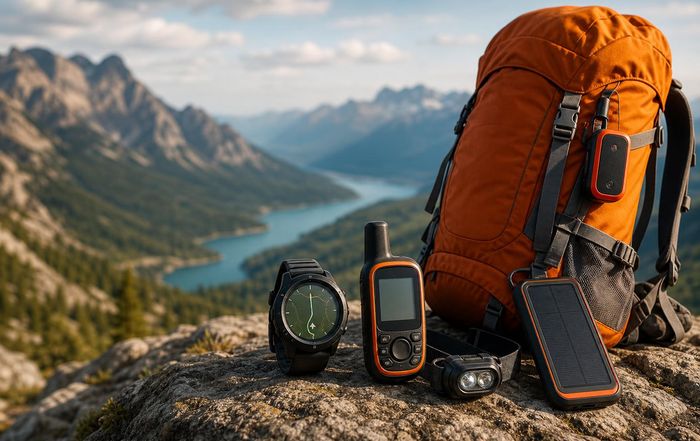
The last decade has seen a surge in innovation across adventure gear, safety technology and digital navigation tools. For the xdzee.com community, which closely follows innovation trends, understanding how to leverage these advances without becoming complacent is crucial. Modern helmets, harnesses, avalanche airbags, impact-protection systems, GPS watches, satellite communicators and smart textiles greatly enhance safety margins when used correctly. Brands such as Garmin, Suunto, InReach, Spot and GoPro have transformed how travelers navigate, communicate and document their journeys.

However, technology introduces its own risks when users become over-reliant or fail to maintain fundamental skills. Expert organizations like American Alpine Club, British Mountaineering Council, Alpine Club of Canada and Swiss Alpine Club consistently emphasize that digital navigation tools should complement, not replace, traditional map-and-compass competence and terrain reading. Satellite messengers and PLBs are invaluable in emergencies, but they do not eliminate the need for conservative route choices, weather awareness and disciplined group management. For adventure travelers who value safety as much as adrenaline, learning more about comprehensive safety frameworks is an investment in long-term capability rather than a one-off precaution.

Equipment selection must also be adapted to regional conditions. A kit suitable for summer trekking in the Alps may be dangerously inadequate for winter touring in Scandinavia or high-altitude expeditions in the Andes and Himalayas. Travelers should consult expert resources such as the UIAA safety standards, gear testing reports from OutdoorGearLab and guidance from specialized outdoor retailers and guide services. In addition, proper inspection and maintenance routines-checking harness stitching, carabiner gates, drysuit seals, regulator servicing and ski binding function-are non-negotiable practices for any traveler who aspires to professional-level risk management.

Insurance, Legal Structures and Liability

As adventure sports tourism has professionalized, insurance products and legal frameworks have become more sophisticated and more stringent. Standard leisure travel policies in 2026 often exclude activities such as technical climbing, off-piste skiing, diving beyond certain depths, BASE jumping, high-altitude trekking above specified elevations and motorized adventure sports. Travelers must therefore secure specialized coverage that explicitly lists their planned activities, regions and altitude ranges. Platforms like InsureMyTrip and specialist providers in Europe, North America and Asia allow comparison of adventure-focused policies that include emergency evacuation, medical care, search and rescue, trip interruption and gear coverage.

Liability waivers and assumption-of-risk documents are now standard practice across reputable operators in the U.S., Europe, Australia and many parts of Asia and South America. While legal enforceability varies by jurisdiction, these documents serve an important function in clarifying expectations, roles and responsibilities between clients and providers. Sophisticated travelers, including many in the xdzee.com business readership, approach these documents not as mere formalities but as informative disclosures of risk profiles and operational practices. Understanding local legal norms-such as duty-of-care standards, negligence thresholds and consumer protection laws-helps travelers evaluate whether an operator's approach aligns with international best practice.

On-Trip Conduct: Leadership, Group Dynamics and Real-Time Judgment

Once in the field, the quality of decision-making often matters more than any pre-trip plan. Professional guides and expedition leaders bring local expertise, route knowledge, weather interpretation skills and emergency experience that are difficult to replicate. Trusting their judgment-especially when they recommend turning back, adjusting objectives or modifying itineraries-is a hallmark of mature adventure behavior. For corporate leaders, entrepreneurs and high-achieving professionals who read business insights on xdzee.com, this is a familiar leadership principle: deferring to domain experts when conditions demand it.

Group dynamics play a central role in safety. Clear communication protocols, pre-agreed decision rules, honest discussions about individual fitness and fear levels, and a culture where anyone can voice concerns without stigma all contribute to risk reduction. The "summit fever" mentality that has led to tragedies on peaks like Everest or Mont Blanc is increasingly recognized as a failure of group psychology rather than purely technical skill. Drawing on research from institutions such as Harvard Business School, INSEAD and IMD, adventure travelers can see parallels between high-stakes expedition teams and executive teams managing complex projects under uncertainty.

Situational awareness is another decisive factor. Monitoring weather changes, snowpack conditions, river levels, rockfall activity, crowding on routes and the behavior of other groups allows for proactive adjustments. Avoiding distractions-whether from devices, cameras or social media posting-helps maintain focus. In this sense, responsible adventure aligns closely with the principles of high-performance safety cultures in aviation, energy and manufacturing, where continuous observation and early intervention prevent incidents from escalating.

Environmental Stewardship and Cultural Ethics

For the xdzee.com audience, which tracks global world affairs, sustainability is not a peripheral concern but a central criterion for evaluating destinations, brands and operators. Adventure sports often take place in fragile ecosystems: coral reefs in Southeast Asia and Australia, glaciers in the Alps and Patagonia, forests in Scandinavia and Canada, and high-altitude environments in the Himalayas and Andes. Climate change is already reshaping these landscapes, with glacial retreat, altered snowpack patterns, coral bleaching and biodiversity loss affecting both safety and experience quality.

Frameworks from the Global Sustainable Tourism Council, UN Environment Programme and Leave No Trace Center for Outdoor Ethics provide practical guidelines for minimizing environmental impact: staying on established trails, avoiding wildlife disturbance, managing waste responsibly, choosing low-impact transport and accommodation options and supporting conservation-focused operators. For those seeking to learn more about sustainable business practices, integrating personal adventure choices with professional sustainability commitments is an increasingly powerful way of aligning values across life domains.

Cultural respect is equally critical. Adventure tourism often reaches communities that have historically been marginalized or underrepresented in global tourism narratives. Ethical practice demands fair compensation for local guides and porters, respect for local land rights and traditions, mindful photography, and avoidance of exploitative or voyeuristic interactions. Organizations such as Fair Trade Tourism and Tourism Cares highlight models where tourism revenue supports education, healthcare, infrastructure and cultural preservation. By choosing operators and itineraries that reflect these values, xdzee.com readers reinforce a global culture where adventure is a vehicle for mutual benefit rather than extraction.

Emergency Preparedness, Response and Recovery

Even with meticulous planning and conservative decisions, emergencies can occur. The difference between a manageable incident and a catastrophe often lies in preparation and calm execution. Before starting any activity, travelers should understand evacuation routes, communication plans, local emergency numbers and the capabilities of regional rescue services. In alpine regions of Europe, for example, mountain rescue organizations are highly developed, whereas in remote parts of Africa, South America or Central Asia, response capacity may be limited, making private evacuation memberships-such as those offered by Global Rescue or International SOS-a prudent investment.

Basic wilderness first aid training is increasingly considered a baseline competency for serious adventure travelers. Courses offered by organizations such as NOLS Wilderness Medicine, Red Cross societies and national mountaineering clubs teach bleeding control, fracture stabilization, hypothermia management, altitude illness recognition, and improvised evacuation techniques. For the data-driven and performance-oriented xdzee.com audience, these skills are not only practical but also enhance confidence and decision speed under pressure.

Post-incident reflection and recovery are also important. Physical injuries may require rehabilitation, while psychologically intense experiences-such as avalanches, near-drownings or serious falls-can leave lasting emotional impacts. Leading health organizations and sports psychology institutes emphasize the value of debriefing, counseling and structured return-to-activity plans. Sharing experiences responsibly-through platforms like xdzee.com, professional networks and specialist forums-helps others learn while avoiding the glamorization of reckless behavior.

Integrating Adventure into a Holistic Life and Career Strategy

For many readers of xdzee.com, adventure sports are not isolated hobbies but integral components of a broader lifestyle and professional identity. Executives, entrepreneurs, creatives and technologists from North America, Europe, Asia and beyond increasingly view adventure travel as a laboratory for leadership, resilience, innovation and ethical decision-making. Experiences gained on expeditions often translate into sharper risk assessment in boardrooms, greater empathy in cross-cultural negotiations, and clearer perspectives on sustainability and social responsibility in corporate strategy.

The platform's interconnected coverage of sports, adventure, travel, jobs and careers and global destinations reflects this reality: adventure is no longer a niche segment but a central lens through which many professionals interpret their personal development and global engagement. By approaching adventure sports travel with rigorous preparation, respect for safety and ethics, and an informed understanding of environmental and cultural contexts, xdzee.com readers position themselves at the forefront of a more mature, responsible and inspiring era of global exploration.

In 2026 and beyond, the most compelling adventure stories will not be those defined solely by extreme risk or record-breaking feats, but those that combine ambition with accountability, innovation with humility and thrill with stewardship. Travelers who embrace this integrated approach-drawing on trusted global resources, expert operators and the curated insights of xdzee.com-will not only safeguard their own journeys but also help shape a safer, fairer and more sustainable future for adventure sports tourism worldwide.

Tips for Safely Navigating Adventure Travel in Remote Locations

Last updated by Editorial team at xdzee.com on Wednesday 21 January 2026
Tips for Safely Navigating Adventure Travel in Remote Locations

Navigating Remote Adventure Travel Safely in 2026: A Strategic Guide for Modern Explorers

Adventure travel in remote locations has evolved from a niche pursuit into a defining expression of modern lifestyle, performance, and personal branding. By 2026, travelers from the United States, United Kingdom, Germany, Canada, Australia, across Europe and Asia, and increasingly from emerging markets in Africa and South America, are seeking experiences that combine physical challenge, cultural immersion, and digital storytelling. Against this backdrop, xdzee.com positions itself as a trusted guide for readers who want to push boundaries in sports, adventure, and travel, while maintaining rigorous standards of safety, ethics, and professionalism. Remote expeditions now intersect with global business, career development, and personal reputation, making it essential to approach adventure with the same strategic mindset that executives apply to corporate decisions and investors apply to risk management.

Adventure in remote regions-whether trekking in Patagonia, ski touring in Norway, desert expeditions in Morocco, or high-altitude journeys in Nepal-offers unmatched access to unspoiled landscapes and authentic cultures, yet it also exposes travelers to complex risk environments. Limited infrastructure, fragile ecosystems, evolving climate patterns, geopolitical volatility, and cultural sensitivities demand a level of preparation that goes far beyond casual tourism. In this context, experience, expertise, authoritativeness, and trustworthiness are not abstract qualities; they are operational requirements that determine whether an expedition is successful, safe, and responsible. As readers of xdzee.com plan their next journey, they increasingly seek not just inspiration, but a comprehensive framework that integrates safety, performance, innovation, and ethics into every stage of remote travel.

Understanding the Modern Risk Landscape of Remote Adventure Travel

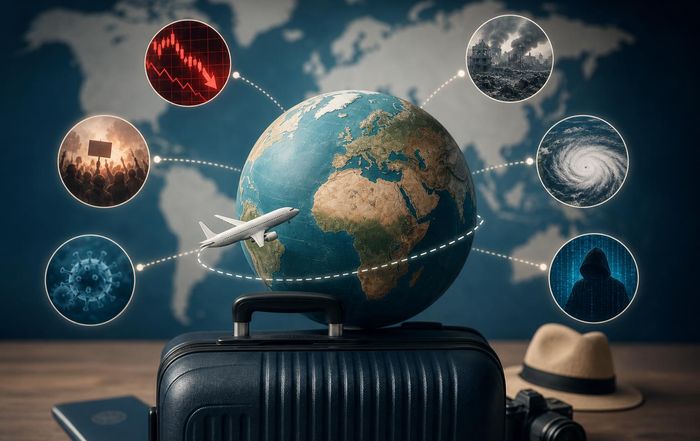
Remote adventure travel in 2026 is shaped by forces that extend well beyond the physical challenges of terrain and climate. Global instability, climate change, digital connectivity, and shifting cultural expectations all influence the risk profile of expeditions to remote regions in Asia, Africa, South America, the Arctic, and beyond. Travelers who once focused primarily on gear and fitness now face a broader set of considerations, from understanding local regulations and indigenous rights to assessing medical evacuation capabilities and cyber risks associated with digital devices and online identities.

Government travel advisories remain a foundational reference for risk assessment, and platforms such as the U.S. Department of State and the UK Foreign, Commonwealth & Development Office provide essential information on political stability, crime, health concerns, and entry requirements. However, in remote adventure contexts, these advisories must be supplemented with granular, on-the-ground intelligence from local operators, guides, and recent expedition reports. Travelers heading to high-altitude environments, for example, need to factor in not only the physical risks of altitude sickness and extreme weather, but also the strain on local rescue services and the ethical implications of putting limited local resources under pressure.

The rise of social media and real-time content sharing has also altered risk dynamics. Pressure to capture dramatic images or videos can drive individuals toward unsafe behavior, from risky cliff edges to unauthorized access to restricted zones. At the same time, digital traces can expose travelers to security threats in regions where kidnapping, fraud, or targeted crime remain concerns. Understanding this broader risk landscape is the first step toward building a disciplined, professional approach to remote adventure travel, and it is precisely this informed perspective that xdzee.com aims to cultivate for its audience across travel, adventure, and world content.

Strategic Research and Planning: Turning Exploration into a Managed Project

In the business world, successful initiatives begin with robust research and structured planning; remote adventure travel in 2026 demands the same level of rigor. Treating an expedition as a project-with defined objectives, risk assessments, contingency plans, and measurable outcomes-enables travelers to enjoy the thrill of exploration while keeping risks within acceptable bounds. This project mindset is particularly relevant for professionals who must balance ambitious travel with ongoing career responsibilities and reputation management.

High-quality sources such as National Geographic and the Royal Geographical Society provide deep background on geography, climate, and historical expeditions, while tools such as Google Earth and topographic mapping platforms allow travelers to study routes, elevation profiles, and potential hazard zones in detail. For those planning technical expeditions in mountainous regions from the Alps to the Himalayas, organizations like the American Alpine Club and the Alpine Club offer valuable insights into route conditions, rescue infrastructure, and best practices.

A robust planning process also includes a detailed logistics map: understanding how to reach the remote area, evaluating transport reliability, mapping resupply points, and identifying the nearest medical facilities, even if they are several hours away by vehicle or helicopter. Travelers should align their plans with their own performance capacity and experience level, a topic extensively covered within xdzee.com's focus on performance and lifestyle. By integrating physical readiness, logistical foresight, and realistic timeframes, adventurers can reduce exposure to unnecessary risks while preserving the sense of discovery that makes remote travel so compelling.

Cultural Intelligence and Local Context: From Tourist to Responsible Guest

In remote regions across Asia, Africa, South America, and the Arctic, cultural intelligence is as important as navigation skills. Engaging respectfully with local communities in Nepal, Peru, Namibia, or indigenous territories in Canada and Australia requires an understanding of history, customs, and current socio-economic realities. Travelers who take time to learn about local traditions, religious practices, and social hierarchies not only avoid misunderstandings but also gain access to deeper, more authentic experiences that casual visitors rarely encounter.

Authoritative platforms such as UNESCO and the United Nations World Tourism Organization provide context on world heritage sites, cultural preservation, and responsible tourism practices. For travelers visiting remote cultural landscapes-such as highland villages in Vietnam, Berber communities in Morocco, or Sami territories in Scandinavia-this background is invaluable in shaping behavior that is both respectful and aligned with international standards of cultural ethics. On xdzee.com, the intersection between culture, ethics, and adventure is central, reflecting the growing expectation that global travelers act not merely as consumers of experiences but as informed and considerate guests.

Language remains a powerful bridge in remote settings. Even a basic command of key phrases in local languages-whether Spanish in South America, Swahili in East Africa, or Thai in Southeast Asia-can transform interactions with guides, hosts, and villagers. While translation apps are increasingly sophisticated, connectivity in remote regions often remains patchy, reinforcing the value of offline phrasebooks and pre-trip language learning. Demonstrating effort in communication builds trust and goodwill, which can be critical when unforeseen challenges arise and travelers need local support.

Health, Medical Readiness, and Safety Protocols

Health and safety considerations for remote adventure travel in 2026 are shaped by both traditional medical risks and the evolving realities of global health. The lessons from the COVID-19 era have left a lasting impact on how countries manage borders, health screening, and vaccination requirements, particularly for travelers entering fragile ecosystems or high-risk zones. Before embarking on any remote expedition, travelers should consult specialized travel clinics or medical professionals, leveraging resources from the World Health Organization and the Centers for Disease Control and Prevention to understand region-specific vaccinations, disease prevalence, and prophylactic measures.

A well-structured medical plan extends beyond vaccinations. It includes a comprehensive first-aid kit tailored to the specific environment-whether that means altitude medication for the Andes, anti-malarials for parts of Africa and Southeast Asia, or advanced wound care supplies for desert or jungle environments. Travelers with chronic conditions must plan redundancies for essential medications, carry clear medical documentation, and consider how altitude, exertion, or temperature extremes may affect their condition. Increasingly, adventure travelers are investing in remote medical training, such as wilderness first responder or remote first aid courses, which equip them with the skills to stabilize injuries and manage emergencies until professional help is available.

In parallel, comprehensive travel insurance with robust medical and evacuation coverage is non-negotiable for serious remote travel. Leading insurers and assistance providers, often recommended by platforms like International SOS, offer policies that include high-altitude evacuation, off-piste sports coverage, and repatriation. Travelers must scrutinize policy details to ensure that activities such as mountaineering above specific altitudes, scuba diving, or off-road motorcycling are explicitly covered. For readers of xdzee.com, where business and jobs intersect with adventure lifestyles, insurance also protects against financial and professional disruption, ensuring that an incident in a remote region does not cascade into long-term career or business setbacks.

Navigation, Communication, and the Role of Technology

Digital innovation has transformed how travelers plan and execute remote expeditions, yet over-reliance on technology can be hazardous in environments where batteries die, devices fail, and signals disappear. In 2026, the most resilient adventurers blend traditional navigation skills with modern tools. Paper topographic maps, a reliable compass, and the ability to interpret terrain remain foundational competencies, especially in mountainous regions of Europe, the wilderness of Canada, or remote national parks in the United States and Australia. These analog tools are immune to battery depletion and satellite outages, making them indispensable backups when digital systems fail.

At the same time, GPS devices, satellite navigation, and offline mapping apps significantly enhance situational awareness and route planning when used judiciously. Platforms such as Garmin and AllTrails provide route data, elevation profiles, and user feedback that can inform risk decisions. For communication, satellite messengers and personal locator beacons have become standard equipment for serious adventurers, allowing two-way messaging and emergency signaling far beyond the reach of mobile networks. These devices integrate with global emergency response systems, enabling rescue coordination even in the most isolated environments, from the Arctic Circle to the Patagonian steppe.

However, technology also introduces vulnerabilities. Travelers must protect devices from extreme temperatures, moisture, and impact, while also considering data security risks such as theft or hacking. For professionals who carry sensitive corporate information on laptops or smartphones, remote travel demands the same cybersecurity discipline expected in urban environments. On xdzee.com, where innovation is a core theme, this balanced approach to technology-leveraging its strengths while mitigating its weaknesses-reflects a mature, performance-driven view of modern adventure.

Working with Local Guides and Teams: Expertise on the Ground

In many of the world's most remote destinations, local guides and operators are the critical link between aspiration and safe execution. From mountain guides in the Alps and Himalayas to bush trackers in South Africa and river specialists in the Amazon, these professionals bring years of experience, local knowledge, and cultural fluency that no amount of online research can fully replicate. Reputable organizations, such as International Federation of Mountain Guides Associations (IFMGA)-certified guiding companies or established adventure operators referenced by platforms like Adventure Travel Trade Association, provide a layer of assurance around training, safety standards, and ethical practices.

Selecting the right guide or operator involves due diligence similar to vetting a business partner. Travelers should review safety records, certifications, client feedback, and environmental policies, ensuring that the provider aligns with modern expectations around sustainability, worker rights, and community engagement. Clear communication before departure-covering objectives, risk tolerance, contingency plans, and emergency protocols-creates a shared understanding that reduces ambiguity in the field. For group expeditions, defining roles and responsibilities, establishing communication norms, and discussing individual strengths and limitations can significantly improve team resilience during high-stress situations.

This emphasis on professional collaboration mirrors the team dynamics valued in corporate and athletic environments, where trust, expertise, and shared goals drive performance. Readers who engage with xdzee.com's content on sports, brands, and high performance will recognize the parallels between elite expedition teams and high-performing business or sports organizations, underscoring that choosing the right partners is as critical in the mountains or jungle as it is in the boardroom.

Environmental Responsibility and Ethical Conduct in Fragile Ecosystems

Remote adventure travel often takes place in some of the most ecologically sensitive and culturally significant regions on the planet. From the glaciers of Greenland and Switzerland to coral reefs in Southeast Asia and rainforests in Brazil, the cumulative impact of tourism can accelerate environmental degradation if not managed responsibly. Organizations such as the International Union for Conservation of Nature and the World Wildlife Fund highlight how climate change, pollution, and over-tourism threaten biodiversity and local livelihoods, placing a moral responsibility on travelers to minimize their footprint.

Adhering to frameworks such as Leave No Trace principles, avoiding disturbance of wildlife, staying on established trails, and managing waste responsibly are now baseline expectations rather than optional behaviors. In polar regions, mountain environments, and marine ecosystems, even small actions-such as the introduction of non-native species via footwear or gear, or careless disposal of microplastics-can have outsized consequences. Ethical travelers increasingly choose operators that demonstrate verifiable sustainability practices, such as reduced-emission transport, fair labor policies, and tangible contributions to conservation initiatives. Business-oriented readers can explore how these practices align with broader ESG frameworks by consulting resources like the World Economic Forum and their insights on sustainable tourism.

Respect for local communities is equally central to ethical adventure travel. This includes fair compensation for local staff, support for community-owned enterprises, and a commitment to avoiding exploitative or voyeuristic interactions. Asking permission before photographing individuals, respecting sacred sites, and listening to local perspectives on land use and tourism are practical expressions of this respect. On xdzee.com, where ethics, culture, and destination coverage intersect, the message is clear: true adventure in 2026 is not just about where one goes, but how one behaves and what legacy one leaves behind.

Legal, Regulatory, and Compliance Considerations

Remote adventure travel frequently involves crossing regulatory boundaries, from national borders to protected areas and indigenous territories. In Europe, North America, Asia, and Africa alike, access to national parks, conservation zones, and culturally significant landscapes is increasingly governed by permit systems designed to control impact and generate revenues for local management. Travelers must research and secure all necessary permits well in advance, recognizing that some popular routes or regions impose strict quotas or seasonal restrictions. Official park authorities and tourism boards, such as those listed by UN Environment Programme and national tourism sites, provide authoritative guidance on legal access and permitted activities.

Compliance extends beyond entry permits. Drone usage, for example, is tightly regulated in many countries due to privacy, security, and wildlife disturbance concerns, and violations can lead to confiscation of equipment or legal penalties. Similarly, importing certain equipment, medications, or food items may be restricted, particularly when entering countries with stringent biosecurity policies such as Australia or New Zealand. Travelers must also be aware of local laws governing behavior, dress codes in conservative regions, and restrictions on photographing military or strategic infrastructure. For professionals who combine travel with remote work, understanding visa categories and work-related regulations is essential to avoid inadvertently breaching immigration or labor laws.

In high-risk regions, coordination with embassies or consulates can add an extra layer of security. Many governments encourage travelers to register their trips through online systems, enabling faster contact and support in the event of natural disasters, political unrest, or large-scale emergencies. This level of due diligence reflects the broader risk management mindset that xdzee.com promotes across its news, world, and safety coverage.

Integrating Adventure into a Modern Life of Performance and Purpose

By 2026, remote adventure travel is no longer viewed as an escape from real life; for many, it is a deliberate extension of their identity, values, and professional trajectory. Executives, entrepreneurs, athletes, and creatives from the United States, Europe, Asia, and beyond increasingly use demanding expeditions as laboratories for leadership, resilience, and innovation. The mental and physical disciplines required to navigate remote environments-planning under uncertainty, managing risk, collaborating under pressure, and adapting to changing conditions-mirror the competencies needed in high-stakes business and global careers.

Platforms like xdzee.com serve this evolving audience by connecting adventure narratives with insights on performance, safety, innovation, and ethics, helping readers see how a trek in the Himalayas or a kayak journey along the Norwegian fjords can inform their decision-making in boardrooms, startups, or creative studios. As brands in sports, outdoor equipment, and travel increasingly align themselves with sustainability and responsible exploration, travelers also become ambassadors, shaping how global audiences perceive destinations and communities. Understanding this influence and wielding it responsibly-through the stories shared, the companies supported, and the behaviors modeled-is part of the modern adventure mandate.

For those planning their next remote journey, the path forward is clear. Combine rigorous research with humility and curiosity. Invest in health, safety, and insurance with the same seriousness applied to financial planning. Leverage technology without becoming dependent on it. Partner with reputable local experts and respect the environments and communities that host you. Above all, recognize that in 2026, the most meaningful adventures are those that balance courage with caution, ambition with responsibility, and personal fulfillment with global stewardship. From the vantage point of xdzee.com, where sports, adventure, travel, business, and culture converge, remote exploration is not just about reaching the world's wildest places; it is about becoming the kind of traveler-and leader-who deserves to be there.

The Best Cities for Sports Fans in North America and Europe

Last updated by Editorial team at xdzee.com on Wednesday 21 January 2026
The Best Cities for Sports Fans in North America and Europe

The Best Sports Cities in North America and Europe: Where Passion, Business, and Culture Converge

Sports are no longer confined to stadiums or television broadcasts; they are woven into the daily rhythms of global cities, shaping identity, driving economic growth, and defining how people travel, work, and connect. For the international audience of xdzee.com, which spans interests from sports and adventure to business and culture, sports cities are not just destinations but strategic hubs where lifestyle, performance, innovation, and ethics intersect. In North America and Europe especially, the world's most influential leagues, clubs, and venues anchor ecosystems that extend into tourism, employment, technology, and urban development, making the choice of where to visit, invest, or build a career increasingly tied to the strength of a city's sporting DNA.

How Cities Shape Modern Sports Culture

The relationship between cities and sports has deepened significantly over the past decade. Urban centers now function as platforms where clubs, leagues, brands, and fans interact in real time, both physically and digitally. Historic venues such as Madison Square Garden in New York City or Camp Nou in Barcelona have evolved from mere arenas into global cultural landmarks, attracting visitors who may know the teams primarily through streaming platforms yet still feel compelled to experience the atmosphere in person. At the same time, newer multi-purpose venues like SoFi Stadium in Los Angeles or the renovated Santiago Bernabéu in Madrid demonstrate how architecture, technology, and entertainment can be fused into a single high-performance environment.

In this context, sports culture is no longer limited to matchday rituals. It encompasses hospitality, mobility, digital engagement, and the broader urban experience that surrounds a game. Cities that invest in efficient public transport, safe fan zones, and cutting-edge connectivity see sports as part of a broader lifestyle proposition, something xdzee.com explores regularly through its focus on sports and lifestyle and the evolving face of sports culture. For global fans, this means that choosing a sports destination is increasingly about the entire journey: from airport to arena, from neighborhood cafes to late-night celebrations, and from in-person attendance to on-demand digital content.

North America: Scale, Spectacle, and Integrated Entertainment

New York City: Global Capital of Multi-Sport Intensity

In 2026, New York City remains one of the world's most complete sports ecosystems. With franchises such as the New York Yankees, New York Mets, New York Knicks, Brooklyn Nets, New York Giants, New York Jets, and New York Rangers, the city offers year-round access to elite competition across baseball, basketball, American football, and ice hockey. Venues like Yankee Stadium and Madison Square Garden are deeply embedded in the city's identity, functioning as both economic engines and cultural stages. The integration of sports with Broadway, Wall Street, and global media companies has made New York a case study in how sports can amplify a city's brand and attract high-value tourism and business travel.

The city's role as a gateway to North America also matters. International visitors from Europe, Asia, and beyond can attend a Yankees game in the afternoon, catch an NBA matchup in the evening, and still explore world-class museums the next day, reflecting the way sports and travel have converged into a single lifestyle narrative. For those following the global conversation on world cities and fan travel, New York demonstrates how diversified sports assets, strong transport networks, and a rich cultural scene combine to create a uniquely dense fan experience.

Los Angeles: Entertainment, Innovation, and Outdoor Culture

On the West Coast, Los Angeles has consolidated its position as a hybrid sports and entertainment powerhouse. The presence of the Los Angeles Lakers, Los Angeles Clippers, Los Angeles Dodgers, Los Angeles Rams, Los Angeles Chargers, and Los Angeles Kings ensures continuous high-profile events, while SoFi Stadium and Crypto.com Arena (formerly Staples Center) offer technologically advanced environments that appeal to both traditional fans and digital-native audiences. The city's successful hosting of Super Bowl LVI and its ongoing preparations for the 2028 Summer Olympics reflect a long-term strategy to use sports as a catalyst for infrastructure, tourism, and urban renewal.

Los Angeles also plays a central role in the rise of emerging sports and digital experiences, from esports to action sports closely tied to California's surf and skate culture. Its climate and geography invite visitors to connect live events with outdoor adventure, whether that means hiking in the nearby mountains, surfing in Malibu, or exploring the Pacific Coast Highway. For xdzee.com readers interested in combining live games with adventure travel and wellness-focused lifestyles, Los Angeles showcases how a city can merge performance, entertainment, and health-conscious culture into a single coherent offering.

Toronto: Multicultural Energy and Continental Significance

In Canada, Toronto has continued to grow as a premier sports and business hub. The Toronto Maple Leafs, Toronto Raptors, and Toronto Blue Jays are not only central to Canadian sports identity but also drivers of international tourism, especially as the city prepares to host matches for the FIFA World Cup 2026. The Raptors' historic 2019 NBA championship run revealed the scale of Toronto's multicultural fan base, with celebrations that became a global symbol of inclusive urban pride. That moment also helped position Toronto as an attractive destination for companies and investors who see sports as a bridge to diverse communities.

Toronto's sports infrastructure, from Scotiabank Arena to BMO Field, is complemented by a dense downtown core, efficient public transit, and a thriving culinary and arts scene. For global fans, the city offers a North American sports experience with a distinctly international feel, reflecting Canada's broader identity as a welcoming, globally connected nation. As xdzee.com continues to highlight world trends in sports tourism, Toronto emerges as an example of how a city can leverage diversity, safety, and strong governance to sustain long-term growth in sports-related travel and business.

Chicago and Boston: Tradition, Loyalty, and Authentic Fan Culture

Chicago and Boston remain pillars of North American sports heritage, each with a distinctive character that resonates deeply with fans. In Chicago, the Chicago Cubs, Chicago White Sox, Chicago Bulls, Chicago Bears, and Chicago Blackhawks embody a narrative of resilience and blue-collar pride. Historic Wrigley Field and the United Center serve as living museums of American sports, where the legacy of Michael Jordan and generations of baseball fans continues to shape the city's identity. Chicago's central location and strong air connections make it a natural hub for domestic and international sports tourism, attracting visitors who seek authenticity and history alongside modern hospitality.

Boston, meanwhile, is synonymous with dynastic success and intense regional loyalty. The Boston Red Sox, Boston Celtics, New England Patriots, and Boston Bruins have all enjoyed championship eras that transformed the city into a symbol of sustained excellence. Fenway Park, the oldest ballpark in Major League Baseball, remains a pilgrimage site for fans from across the United States, Europe, and Asia. The city's dense academic ecosystem, anchored by institutions such as Harvard University and MIT, also fosters innovation in sports analytics, sports medicine, and performance science, underscoring the connection between intellectual capital and competitive success. For readers tracking the evolution of sports brands and legacies, Boston and Chicago show how tradition and modern business strategies can reinforce each other.

Europe: Heritage, Identity, and Intense Local Loyalties

London: Global Football Hub and Multi-Sport Capital

In 2026, London remains one of the most influential sports cities in the world. Its football landscape alone is extraordinary, with clubs such as Arsenal, Chelsea, Tottenham Hotspur, West Ham United, and Crystal Palace drawing passionate support and international attention. Wembley Stadium stands as an emblem of English football, hosting national team fixtures and major finals, while club stadiums like the Emirates Stadium, Stamford Bridge, and the Tottenham Hotspur Stadium are destinations in their own right. The Premier League's global broadcasting reach has turned London into a magnet for fans from the United States, Asia, and Africa, who travel specifically to experience live matches they have followed on screens for years.

Beyond football, London hosts Wimbledon, the world's most prestigious tennis tournament, major rugby fixtures at Twickenham Stadium, and high-profile cricket at Lord's and The Oval. The legacy of the 2012 Olympic Games continues to shape the city's East End, where the Queen Elizabeth Olympic Park and its venues are used for community sport, elite training, and events. For international visitors exploring destination cities in global sport, London offers an exceptionally dense mix of tradition, modern infrastructure, and cultural attractions, from West End theatres to world-class museums.

Barcelona and Madrid: Football Cathedrals and Cultural Icons

In Spain, Barcelona and Madrid form a dual axis of football power and cultural influence. Barcelona is inextricably linked with FC Barcelona, whose identity as "Més que un club" ("More than a club") reflects its historical role in Catalan culture and politics. The ongoing redevelopment of Spotify Camp Nou is transforming the stadium into a state-of-the-art complex that blends heritage with digital innovation, ensuring that the matchday experience remains one of the most compelling in world sport. Visitors often combine matches with explorations of Gaudí's architecture, Mediterranean beaches, and Catalan cuisine, making Barcelona a leading example of how sports and travel can be seamlessly integrated into a single city break.

Madrid, home to Real Madrid and Atlético de Madrid, offers a different but equally powerful expression of Spanish sports culture. The renovated Santiago Bernabéu has become a multi-purpose entertainment arena capable of hosting football, concerts, and large-scale events with advanced digital experiences and hospitality concepts. Real Madrid's status as one of the world's most valuable sports brands, combined with the emotional intensity of El Clásico against FC Barcelona, ensures Madrid's position at the center of global football narratives. The Cívitas Metropolitano, home of Atlético, reflects a modern, fan-centric design philosophy that has elevated the club's matchday experience. Together, these cities illustrate why Spain remains essential to any discussion of European sports tourism, culture, and business.

Munich and Paris: Strategic Sports Platforms in Central Europe

Munich continues to be a cornerstone of German and European football, driven by the sustained success of FC Bayern Munich. The Allianz Arena, with its distinctive illuminated walls, is recognized worldwide as a symbol of high-performance sport and architectural innovation. Munich's location near the Alps also positions it as a bridge between elite football and alpine adventure tourism, allowing visitors to attend a Bundesliga or UEFA Champions League match and then travel easily to ski resorts in Germany and Austria. The city's legacy from the 1972 Olympic Games lives on through sports facilities that host athletics, concerts, and community events, reinforcing Munich's status as a versatile sports destination.

Paris has undergone a profound transformation as a sports city, accelerated by the 2024 Summer Olympics. Massive investments in public transport, sustainable venues, and urban regeneration projects have repositioned Paris not only as a cultural capital but also as a modern sports hub. Paris Saint-Germain (PSG), backed by significant international investment, has used global stars and strong branding to expand its reach across Europe, Asia, and the Americas. The Parc des Princes and the French Open at Roland Garros anchor a sports calendar that also includes the Tour de France and major rugby events at the Stade de France. For fans seeking to explore the intersection of culture and sport, Paris offers a sophisticated blend of haute cuisine, art, and high-stakes competition.

Rome, Amsterdam, Zurich, and Stockholm: Distinctive Regional Leaders

Rome provides a unique mixture of history, rivalry, and atmosphere. The intense divide between AS Roma and SS Lazio, both playing at the Stadio Olimpico, creates some of Europe's most emotionally charged derbies. The city's Olympic legacy from 1960 and its role in Italian athletics and swimming complement its football identity, while the ever-present backdrop of ancient monuments gives sports tourism in Rome an almost cinematic quality. Visitors can move from the Colosseum to a Serie A match in a single day, experiencing how sport and history coexist in a living urban museum.

In the Netherlands, Amsterdam is synonymous with AFC Ajax, whose youth academy and attacking philosophy have shaped global football thinking for decades. The Johan Cruyff Arena showcases Dutch innovation in stadium design, sustainability, and fan engagement, while the city's cycling culture and canal-lined streets create a relaxed yet energetic environment for visitors. Amsterdam's approach to mobility and green urban planning also positions it at the forefront of discussions on sustainable sports tourism, aligning with global efforts to learn more about sustainable business practices.

Zurich, while not a mega-club city, plays an outsized role in global sports governance as home to the FIFA headquarters and other international sports organizations. Its proximity to the Swiss Alps makes it a natural base for winter sports enthusiasts, and its reputation for safety, efficiency, and quality of life attracts professionals working in sports administration, finance, and law. Zurich exemplifies how a city can influence global sport through governance, ethics, and infrastructure, rather than only through club success.

Stockholm stands out in Scandinavia as a leader in both traditional sports and digital innovation. Local football rivalries involving AIK, and Hammarby IF give the city a vibrant domestic league culture, while ice hockey and winter sports reflect Sweden's climate and athletic traditions. Stockholm is also increasingly associated with esports, gaming, and tech-driven fan experiences, reflecting the broader Nordic focus on digitalization, sustainability, and quality of life. For xdzee.com readers interested in sports innovation, Stockholm offers a glimpse into how mid-sized capitals can punch above their weight in the global sports economy.

Business, Employment, and Brand Power in Sports Cities

The economic influence of sports cities has expanded dramatically by 2026. According to organizations such as the World Economic Forum, sports and major events now form a critical component of urban competitiveness, attracting investment, talent, and tourism while driving infrastructure upgrades. In North America, leagues like the NFL, NBA, MLB, and NHL have refined revenue models based on media rights, data-driven marketing, and global merchandising. In Europe, clubs such as Real Madrid, FC Barcelona, Manchester United, and Bayern Munich function as multinational enterprises with diversified income streams spanning sponsorship, hospitality, licensing, and digital content.

These dynamics create substantial employment opportunities, from stadium operations and event management to sports analytics, content creation, and commercial partnerships. Cities like London, New York, and Toronto increasingly host specialized roles in sports law, finance, and technology, as organizations seek to navigate complex regulatory environments and rapidly evolving fan expectations. For professionals exploring jobs and careers linked to sport, major sports cities offer not only matchday excitement but also long-term career pathways in adjacent fields such as media, tourism, health, and data science.

Global brands play a pivotal role in this ecosystem. Companies like Nike, Adidas, Puma, and Under Armour use sports cities as launchpads for new products and campaigns, often tying their identities to local clubs and star athletes. Stadium naming rights, such as Emirates Stadium in London or Allianz Arena in Munich, demonstrate how corporate partnerships can shape the visual and emotional landscape of cities. As xdzee.com has highlighted in its coverage of brands and performance, the alignment between brand values and club or city identity has become a central factor in long-term sponsorship strategies.

Technology, Safety, and the Evolving Fan Journey

The digital transformation of sports has accelerated since 2020, and by 2026, leading sports cities are defined as much by their connectivity and safety standards as by their trophies. High-capacity 5G networks, advanced Wi-Fi in stadiums, and cloud-based streaming platforms allow fans to access real-time statistics, multi-angle replays, and interactive features from their seats or from thousands of kilometers away. Virtual reality and augmented reality applications increasingly enable remote fans to feel present in iconic venues, while AI-driven recommendation engines personalize content, merchandise offers, and travel suggestions.

At the same time, safety and security have become non-negotiable components of the fan experience. Cities such as Munich, Zurich, London, and Toronto invest heavily in integrated transport planning, crowd management, and digital ticketing systems that reduce friction and increase resilience. Biometric access, contactless payments, and secure mobile platforms help mitigate risks associated with large gatherings and cyber threats. For readers focused on safety in sports environments, the best sports cities in North America and Europe now function as laboratories for advanced security protocols that balance efficiency, privacy, and fan comfort.

Sustainability, Ethics, and the Future of Sports Cities

As climate change and social responsibility rise on the global agenda, sports cities are under pressure to align with sustainable and ethical standards. New and renovated stadiums increasingly incorporate energy-efficient designs, renewable power sources, and circular economy principles, following examples such as the Allianz Arena, the Tottenham Hotspur Stadium, and the Mercedes-Benz Stadium in Atlanta. Urban planners and event organizers work closely with environmental organizations, including the International Olympic Committee and the United Nations Environment Programme, to reduce carbon footprints and promote responsible resource use. Fans are also more vocal in demanding transparency and accountability from clubs, leagues, and governing bodies.

Ethical considerations extend beyond environmental issues to include labor rights, community impact, and governance reforms. Organizations like FIFA and the UEFA have faced scrutiny over hosting decisions and financial practices, prompting greater emphasis on human rights, anti-corruption measures, and inclusive legacy planning for major events. Cities that aspire to host World Cups, Olympics, or continental finals must now demonstrate not only technical readiness but also credible commitments to ethical standards. For an audience attuned to ethics in modern sport, this shift underscores the importance of evaluating sports destinations not just by their spectacle, but by their values.

Integrated Experiences: Where Sports, Lifestyle, and Adventure Meet

What ultimately distinguishes the leading sports cities of North America and Europe in 2026 is their ability to offer integrated experiences that align with evolving lifestyle preferences. Fans no longer travel solely for ninety minutes of football or nine innings of baseball; they seek holistic journeys that combine sport with gastronomy, nightlife, culture, nature, and wellness. Barcelona and Rome pair stadiums with historic neighborhoods and Mediterranean cuisine, Munich links Champions League nights with alpine skiing and hiking, Stockholm connects football derbies with archipelago excursions and Nordic design, while New York and Los Angeles merge games with world-class theatre, film, and dining.

For xdzee.com, which curates perspectives across sports, travel, business, and lifestyle, these cities represent more than destinations; they are living case studies in how sport can anchor a broader vision of urban life. As global mobility increases, remote work reshapes business travel, and digital platforms knit fans together across continents, the best sports cities are those that deliver trust, quality, and depth of experience-on the field, in the streets, and online.

In 2026 and beyond, North American and European sports cities will continue to set benchmarks for performance, innovation, and cultural impact. Whether a reader is planning a Champions League trip to Madrid, a multi-sport week in New York, or an Olympic-inspired visit to Paris, the intersection of competition, community, and commerce will define the journeys ahead. For ongoing insights into how these destinations evolve-and how sport continues to reshape the global urban landscape-xdzee.com remains a dedicated guide at the crossroads of passion, travel, and opportunity.

Impact on Live Mobile Sports Broadcasting

Last updated by Editorial team at xdzee.com on Wednesday 21 January 2026
Impact on Live Mobile Sports Broadcasting

Live Mobile Sports Broadcasting: How the Game Has Moved to the Small Screen

A Mobile-First Era for Global Sports

Live mobile sports broadcasting has moved from being a disruptive trend to becoming the dominant way fans across the world experience games, tournaments, and major events. What began as a gradual shift away from traditional television has now matured into a fully mobile-first ecosystem, where audiences in the United States, United Kingdom, Germany, Canada, Australia, France, Italy, Spain, Netherlands, Switzerland, China, Japan, South Korea, Singapore, Brazil, South Africa, and beyond expect to watch live sports wherever they are, on whichever device is in their hand. For the global community that turns to xdzee.com for insight into sports, adventure, travel, business, and world news, this transformation is more than a change of screen; it is a fundamental reconfiguration of value, power, and culture across the sports, media, and technology industries.

The combination of 5G and soon 6G networks, advanced cloud infrastructure, edge computing, and AI-driven personalization has made it possible to deliver ultra-high-definition, interactive, and context-aware live broadcasts to billions of people simultaneously. At the same time, rights holders, leagues, and technology platforms have rethought their strategies around ownership, distribution, sponsorship, and fan engagement in ways that reflect a more fragmented yet deeply connected global audience. This article examines how that shift has unfolded, what it means economically and culturally, and why the evolution of mobile sports broadcasting will remain central to the way fans live, work, travel, and connect in the years ahead.

From Living-Room Screens to Always-On Streams

For much of the twentieth century and early 2000s, sports and television were inseparable. Major events such as the Olympic Games, FIFA World Cup, NFL Super Bowl, UEFA Champions League, and Wimbledon relied on linear TV schedules, national broadcasters, and fixed time slots. Fans in North America and Europe gathered in living rooms, bars, and public squares to watch, constrained by programming windows, geographic rights, and the limitations of cable or satellite infrastructure. The economics of the industry were built around these constraints, with broadcasters paying vast sums for exclusive territorial rights and monetizing those rights through mass-market advertising and subscription bundles.

The rise of smartphones and tablets, followed by over-the-top streaming platforms, began to erode that model. As mobile networks improved and devices became more powerful, fans increasingly expected to watch live content on the move, whether commuting in London, working late in New York, or traveling through airports in Singapore or Dubai. Major leagues such as the NBA, NFL, and MLB in the United States launched direct-to-consumer apps, while global platforms like YouTube, Amazon Prime Video, and Apple TV+ secured streaming rights to premium properties, decoupling live sports from traditional TV packages. In Europe, DAZN built a business focused on subscription-based streaming, particularly for football, challenging incumbents such as Sky Sports and BT Sport and accelerating the transition to app-based viewing.

By 2026, this transition has matured into a new normal. Younger fans, particularly Gen Z and digital-native Millennials, often have no cable subscription at all and view sports as part of a broader digital content universe that includes social media, gaming, and creator-led video. For them, the match is only one node in a larger experience that includes live chats, short-form highlights, interactive data, and behind-the-scenes storytelling. This behavioral shift has pushed sports organizations to rethink their global strategies, emphasizing mobile-first rights packages, flexible subscription tiers, and continuous engagement beyond the final whistle. Those following the broader evolution of global business models can see in sports a case study of how legacy industries adapt under pressure from technology and changing consumer expectations.

5G, Edge Computing, and the Infrastructure Behind the Experience

The rise of live mobile sports broadcasting would not be possible without the rapid deployment of advanced network infrastructure. The rollout of 5G across North America, Europe, and large parts of Asia and the Pacific has provided the bandwidth and low latency required for high-resolution, real-time streaming to millions of concurrent users. Telecommunications providers such as Verizon in the United States, Deutsche Telekom in Germany, BT in the United Kingdom, NTT Docomo in Japan, and SK Telecom in South Korea have invested heavily in dense network architectures and edge computing nodes designed specifically to handle live video traffic and interactive services during peak events.

In major stadiums and arenas, private 5G networks now support thousands of simultaneous streams, allowing spectators to watch multiple camera angles, instant replays, and live statistics on their phones while physically present in the venue. This dual experience-being in the stadium while enjoying a personalized digital layer-has become a differentiating feature for top-tier events, from the Super Bowl to the Champions League final. Mobile operators and venue owners collaborate on network slicing and dedicated bandwidth allocations to ensure that fan-facing services remain stable even under extreme load, a technical challenge that only a handful of years ago limited the feasibility of such experiences.

The back-end infrastructure is equally critical. Cloud providers such as Amazon Web Services, Microsoft Azure, and Google Cloud handle real-time encoding, content delivery, and analytics at scale, while content delivery networks like Akamai and Cloudflare bring streams closer to end users through distributed edge servers. These architectures make it possible to adapt stream quality dynamically to local network conditions, reduce latency for in-game betting or interactive polls, and provide reliable viewing across regions with very different levels of connectivity. For readers interested in how digital infrastructure underpins innovation in other sectors, resources such as the GSMA and IEEE Communications Society offer deeper technical perspectives on next-generation networks.

The New Logic of Fan Engagement

In a mobile-first world, fans are no longer passive recipients of a single linear broadcast. Instead, they navigate an ecosystem of interactive options that allow them to shape their own viewing experience. Multiple camera feeds, customizable overlays, language options, and real-time data streams are now standard features on leading platforms. Companies such as Stats Perform and Second Spectrum feed advanced analytics into broadcasts, enabling viewers to see player tracking data, expected goals, shot charts, and positional heatmaps in real time on their devices.

Social and community features have become just as important as the primary feed. Meta has continued to expand its virtual watch party tools, allowing friends in different countries to watch live games together within VR environments or augmented overlays, while TikTok and Instagram function as second-screen companions where highlights, memes, and commentary circulate within seconds of a key moment. This constant circulation of short-form content means that the live event now exists within a larger narrative arc that begins days before a match and continues long after, as fans remix, debate, and relive the action. Those interested in how this intersects with modern lifestyles can explore more perspectives on digital culture and sports and how fans curate their identities around teams and athletes.

For rights holders, this shift has required a new understanding of engagement metrics. Time spent watching a full match is no longer the only or even the primary indicator of fan value. Instead, organizations track a mix of live minutes, highlight views, social interactions, in-app purchases, and even participation in fantasy leagues or prediction games. AI-driven recommendation engines, similar to those used by Netflix or Spotify, help surface relevant content to each user based on their preferences, location, and behavior, making the experience more personal and increasing retention over time.

Advertising, Sponsorship, and Brand Storytelling on Mobile

As the audience has moved to mobile, the economics of advertising and sponsorship have followed. Traditional television still commands premium rates for marquee events, but the center of gravity has shifted toward digital inventory that can be targeted, personalized, and measured in real time. Instead of relying on broad demographic assumptions, brands use granular data to reach specific fan segments with tailored messages, whether they are promoting performance footwear, travel packages to major tournaments, or financial services linked to sports investing.

Global brands such as Nike, Adidas, and Under Armour now design campaigns that are built natively for mobile sports environments. These may include interactive overlays that allow users to explore product features during a live stream, augmented reality tools that let fans virtually "try on" jerseys or shoes, or contextual offers that trigger when a certain player scores or a team wins. Streaming platforms can measure click-through rates, engagement time, and subsequent purchasing behavior, allowing sponsors to optimize campaigns dynamically rather than waiting for post-season reports. Organizations like the Interactive Advertising Bureau and World Federation of Advertisers provide frameworks and standards that help align stakeholders around best practices in this data-rich environment.

Sponsorship structures have also evolved. Where deals once centered primarily on shirt logos and in-stadium signage, they now encompass multi-platform activations that span mobile apps, social channels, and digital collectibles. A single partnership might include naming rights for a broadcast studio, integration into highlight packages on social media, exclusive behind-the-scenes content for subscribers, and branded in-app experiences during live matches. Brands featured on xdzee.com/brands increasingly view sports as a way to build long-term, emotionally resonant relationships with fans, rather than as a one-way advertising channel.

Regional Dynamics: United States, Europe, and the Fragmentation Challenge

The trajectory of mobile sports broadcasting has not been uniform across regions, and understanding these differences is essential for business leaders and investors. In the United States, the combination of intense competition among streaming platforms and the rapid expansion of legal sports betting has created a particularly dynamic market. Services such as ESPN+, Peacock, Hulu + Live TV, and YouTube TV offer overlapping but distinct sports portfolios, often combining live rights with original programming and archival content. Betting operators like DraftKings and FanDuel integrate live odds, micro-betting, and personalized offers directly into streams, turning the mobile screen into a transactional as well as an entertainment interface.

In Europe, the picture is shaped by football's central role and by regulatory frameworks that vary from country to country. DAZN has become a major force in markets such as Germany, Italy, and Spain, while Sky Sports, Canal+, and other established broadcasters have responded with hybrid packages that blend linear channels and app-based streaming. The Premier League, La Liga, Bundesliga, and Serie A have experimented with different rights configurations, balancing exclusivity with reach. However, fans increasingly express frustration with fragmentation, as following multiple competitions often requires subscriptions to several services. Policy discussions around consumer protection, fair competition, and media plurality, led by bodies such as the European Commission and national regulators like Ofcom in the UK, are likely to influence the next generation of rights deals.

For global observers, this fragmentation raises strategic questions. At what point does the cost and complexity of multiple subscriptions erode fan engagement? How can leagues maintain broad visibility while still maximizing revenue from premium rights? These questions echo debates in other content industries and are closely watched by those tracking world business and policy trends from a sports perspective.

Asia-Pacific: Scale, Innovation, and Mobile-First Cultures

The Asia-Pacific region has emerged as both a growth engine and an innovation laboratory for mobile sports broadcasting. In China, platforms such as Tencent Sports and iQIYI Sports have built deeply integrated ecosystems that combine live streaming with e-commerce, gaming, and social media, reflecting broader trends in the country's digital economy. Fans watching European football or domestic basketball can purchase merchandise, participate in interactive quizzes, or join fan communities without leaving the app, mirroring the "super app" model that has defined Chinese digital life.

In India, the dominance of cricket and the popularity of the Indian Premier League (IPL) have made the country a showcase for high-volume, mobile-first sports consumption. Disney+ Hotstar and newer entrants have repeatedly set global records for concurrent streams during major matches, supported by low-cost data plans and expanding 5G coverage. The ability to deliver reliable, high-quality video to both urban centers and rural areas has turned live sports into a truly national experience, while also creating fertile ground for localized advertising and regional language commentary.

Elsewhere in the region, Japan, South Korea, Singapore, and Thailand have embraced ultra-immersive formats, including augmented reality overlays and early-stage volumetric video. Telecom operators and broadcasters collaborate on pilot projects that allow users to rotate 3D replays, access context-sensitive statistics, or experience matches within mixed-reality environments. For readers interested in how such innovations may spread globally, exploring perspectives on sports innovation offers a window into how Asia often serves as a preview of future fan experiences in Europe and North America.

Immersive Technologies: AR, VR, and Extended Reality

While high-quality streaming is now an expectation rather than a differentiator, immersive technologies are becoming key to competitive advantage. Augmented reality (AR) overlays on mobile devices allow fans to see player stats, shot trajectories, and tactical diagrams superimposed on the live feed, turning the viewing experience into a more analytical and participatory activity. Broadcasters partner with data providers and graphics specialists to ensure that these overlays are accurate, visually appealing, and responsive in real time.

Virtual reality (VR), once considered a niche, has gained traction as headsets become lighter, more affordable, and better integrated with mobile ecosystems. Companies like Meta and Sony have invested in virtual arenas where fans can select different vantage points-courtside, behind the goal, or from aerial cameras-and interact with avatars representing friends or fellow supporters. Although full VR adoption remains limited compared to traditional mobile streaming, it has become an important premium layer for key events and for fans seeking a more immersive alternative to standard broadcasts.

Beyond AR and VR, extended reality (XR) and volumetric capture are beginning to blur the lines between digital and physical presence. Experimental broadcasts in North America and Europe use multi-camera arrays and advanced rendering techniques to create 3D representations of players and key moments, which can then be explored from any angle on compatible devices. Organizations such as the NAB (National Association of Broadcasters) and Sports Video Group regularly highlight these developments, which are likely to shape the next decade of fan experiences.

Economics, Revenue Models, and the Business of Mobile Sports

The financial underpinnings of sports broadcasting have changed as radically as the technology. Traditional long-term, territory-based rights deals remain important, but they increasingly coexist with flexible, digital-first arrangements that prioritize global reach and direct-to-consumer relationships. Technology companies such as Amazon, Apple, and Google see sports not only as content but as a strategic asset that drives subscriptions, device sales, and engagement within their broader ecosystems.

Subscription models have diversified, with full-season passes, single-match purchases, micro-subscriptions for specific competitions, and even pay-per-view access to individual camera angles or data feeds. Many platforms employ a freemium structure, offering limited free access supported by advertising while reserving premium features, higher resolutions, or exclusive content for paying users. Services such as YouTube TV and Peacock exemplify this hybrid approach, blending ad-supported tiers with subscription bundles.

Sports betting has become a major monetization layer, particularly in North America and parts of Europe, where regulatory frameworks permit real-time wagering. Integrations with operators such as Bet365 in Europe and DraftKings in the United States allow fans to place bets without leaving the streaming environment, generating additional revenue through commissions, sponsorships, and data partnerships. Meanwhile, digital assets such as NFTs and fan tokens, offered by platforms like Socios.com, provide new ways for clubs and leagues to monetize fan loyalty, though regulatory scrutiny and market volatility have prompted a more cautious, utility-focused approach in 2026 than in the initial speculative wave. Those following the business of sports can observe how these multiple revenue streams interact, sometimes reinforcing and sometimes cannibalizing each other.

Jobs, Skills, and the Emerging Sports-Tech Workforce

The mobile broadcasting revolution has reshaped employment across the sports and media value chain. Traditional roles in production, commentary, and operations remain important, but they are now joined by a wide range of technology-centric positions. Data scientists, AI engineers, UX designers, cybersecurity specialists, AR/VR developers, and product managers are essential to building and maintaining the platforms that deliver live sports to global audiences.

Major technology companies, including Google, Amazon, and Microsoft, recruit specialists who can bridge the gap between sports rights and cloud infrastructure, while leagues and clubs hire digital strategists to oversee direct-to-consumer initiatives, content creation, and fan analytics. Startups across Europe, North America, and Asia develop niche capabilities in areas such as low-latency streaming, automated highlight generation, or fan engagement gamification, contributing to a vibrant ecosystem of innovation. Universities in the United States, United Kingdom, Germany, Australia, and Canada have responded with specialized programs in sports media, digital broadcasting, and esports management, preparing graduates for careers that sit at the intersection of technology, entertainment, and global culture.

For professionals and students exploring career paths, the intersection of sports, technology, and data offers one of the most dynamic opportunity spaces of the coming decade. Resources on jobs and careers increasingly highlight roles that did not exist a generation ago but are now central to how fans experience their favorite teams and athletes.

Ethics, Safety, and Global Challenges

Alongside opportunity, live mobile sports broadcasting presents a set of ethical, legal, and operational challenges that stakeholders must address to maintain trust and long-term sustainability. Piracy remains a significant threat, with unauthorized streams circulating across social platforms, illicit apps, and peer-to-peer networks. Rights holders and technology partners deploy watermarking, AI-based detection tools, and legal enforcement to combat this, but the cat-and-mouse dynamic persists. Organizations such as FIFA, UEFA, and regional leagues have increased collaboration with governments and cybersecurity firms to protect the integrity of their content.

Data privacy and responsible personalization have become equally important concerns. Mobile platforms collect detailed information about viewing habits, location, and behavior, which can be used to refine recommendations and target advertising. However, misuse or inadequate protection of this data risks regulatory penalties and reputational damage. Frameworks such as the EU's General Data Protection Regulation (GDPR) and similar laws in California, Brazil, and South Korea require transparent consent mechanisms and robust security practices. Thoughtful discussions around these topics can be found through organizations such as the Electronic Frontier Foundation and Future of Privacy Forum, which analyze the implications of data-driven media.

There is also a broader ethical dimension related to inclusivity and the digital divide. While mobile broadcasting has democratized access for many, high subscription costs and limited connectivity still exclude segments of populations in parts of Africa, South Asia, and Latin America. Ensuring that global sport retains its unifying role requires coordinated efforts among governments, NGOs, and private-sector actors to expand affordable connectivity and explore tiered pricing or community access models. For readers interested in the values underpinning this transformation, ethical perspectives on digital sports offer a useful lens on balancing innovation with responsibility.

Safety considerations extend beyond data to include platform integrity and fan well-being. As real-time chats, betting features, and social integrations converge around live sports, providers must address issues such as harassment, problem gambling, and misinformation. Content moderation, age verification, and partnerships with health organizations are becoming part of the standard toolkit for responsible operators, reflecting a recognition that trust is as critical to long-term success as technological sophistication.

The Road Ahead: What 2030 Might Look Like

Looking toward 2030, live mobile sports broadcasting appears set to become even more integrated into everyday life. Advances in artificial intelligence will likely automate more aspects of production, from camera selection to commentary in multiple languages, enabling highly localized and personalized feeds at scale. Holographic displays and expanded extended reality environments could allow fans to experience matches as if they were physically present in the stadium, while new forms of sensor data from athletes and equipment may deepen the analytical layer available to viewers.

Rights holders are expected to continue shifting toward direct-to-consumer models, operating their own global platforms while selectively partnering with major technology companies for distribution and innovation. Cross-border collaborations between leagues, broadcasters, telecom operators, and regulators will be essential to address piracy, ensure fair competition, and promote accessibility. At the same time, environmental considerations-such as the energy consumption of large-scale streaming and data centers-will push the industry to adopt more sustainable practices, an area highlighted by organizations like the UN Environment Programme and International Telecommunication Union.

For the global community that turns to xdzee.com for insight across sports, performance, safety, and destination experiences, the evolution of mobile sports broadcasting is not a distant technical story but a lived reality. It shapes how fans in America follow European football, how travelers in Prague stay connected to teams back home, how brands in Berlin or Toronto build global identities, and how young professionals imagine their careers at the intersection of sport and technology.

Ultimately, the shift from traditional television to live mobile sports broadcasting has redefined what it means to be a fan in a connected world. It has expanded access, deepened engagement, and opened new avenues for creativity and commerce, while also raising complex questions about ethics, equity, and control. As 2026 unfolds, the organizations and individuals that succeed will be those who combine technological excellence with clear purpose, cultural understanding, and a commitment to trust-principles that align closely with the Experience, Expertise, Authoritativeness, and Trustworthiness that guide coverage on xdzee.com.

Top 10 Biggest Consumer Sports Companies Globally

Last updated by Editorial team at xdzee.com on Wednesday 21 January 2026
Top 10 Biggest Consumer Sports Companies Globally

The World's Biggest Sports Brands: How Global Giants Shape Performance, Lifestyle, and Culture

The global sports industry runs as one of the most dynamic, resilient, and culturally influential sectors of the consumer economy, and for readers of xdzee.com, where sports, adventure, travel, and business intersect, the story of the world's biggest consumer sports companies is not just a ranking of brands by revenue, but a lens into how performance, lifestyle, identity, and innovation are being reshaped across continents. What began as a business of footwear, apparel, and equipment has evolved into a complex ecosystem of digital platforms, media rights, immersive fan experiences, and global community-building, with leading organizations setting the pace for how people in the United States, Europe, Asia, Africa, and South America experience sport and active living in their daily lives.

For decision-makers, athletes, enthusiasts, and professionals who follow sports, adventure, travel, and business through xdzee.com, understanding these companies is increasingly essential to understanding the broader economy of performance and lifestyle. The top global sports brands now influence everything from youth fashion in London and Berlin to marathon culture in Tokyo, basketball in New York, outdoor pursuits in Canada and New Zealand, and emerging fitness markets in Thailand, Brazil, and South Africa. Their strategies illuminate how experience, expertise, authoritativeness, and trustworthiness are built at scale, while their ethical choices and innovation agendas are shaping expectations for the next generation of consumers.

Nike: The Benchmark for Global Sports Consumerism

Nike remains the reference point for the modern sports brand, and in 2026 its leadership is built on a combination of performance credibility, cultural relevance, and technological sophistication that few competitors have matched. Headquartered in Beaverton, Oregon, Nike has turned its long-standing relationships with elite athletes and leagues into a global storytelling engine, with figures such as LeBron James, Cristiano Ronaldo, and Serena Williams continuing to anchor its brand narrative even as a new generation of stars emerges across basketball, football, athletics, and women's sports. The company's scale in North America, Europe, and China, and its growing presence in markets such as Brazil, South Africa, and Southeast Asia, reflect an ability to adapt products and messaging to local sporting cultures while maintaining a consistent global identity.

Nike's expertise is increasingly expressed through digital ecosystems and data-driven design, including its integration of connected training platforms, personalized product recommendations, and advanced materials engineered for specific sports and environmental conditions. Its sustainability agenda, articulated through initiatives such as circular design and reduced-carbon manufacturing, has become a core part of its brand promise rather than a peripheral campaign, aligning with evolving expectations from regulators, investors, and consumers who follow developments in responsible business through sources such as the World Economic Forum and Harvard Business Review. For the xdzee.com audience, Nike illustrates how a sports company can operate simultaneously as a performance innovator, cultural influencer, and global corporate citizen.

Adidas: European Heritage with Global Ambition

Adidas, headquartered in Herzogenaurach, Germany, continues to represent the most formidable European counterweight to Nike's dominance, and in 2026 the company's authority is grounded in a deep connection to football, running, and training, combined with a sophisticated understanding of fashion, music, and street culture. Its partnerships with major football clubs such as Real Madrid and Manchester United, and its longstanding relationship with global tournaments including the FIFA World Cup, ensure that Adidas remains embedded in many of the world's most-watched sporting events, particularly across Europe, Latin America, and parts of Asia. This visibility, reinforced by a strong presence in key markets like the United Kingdom, Spain, France, and Italy, sustains Adidas's central role in the European sports economy and its cultural footprint across the continent.

Adidas has also built a reputation as one of the more progressive players in sustainable manufacturing, with high-profile initiatives involving recycled plastics, ocean waste, and lower-impact materials, positioning the brand as a credible leader in ethical production at a time when regulators in the European Union and beyond are tightening expectations around environmental reporting and supply-chain transparency. Professionals who track sustainable business models through platforms like the UN Global Compact and CDP often cite Adidas as a case study in integrating environmental priorities with commercial growth. For xdzee.com readers focused on global business and brands, Adidas demonstrates how European companies can compete worldwide by combining technical performance, cultural collaborations, and a visible commitment to sustainability.

Puma: Where Sport, Music, and Fashion Converge

Puma, also rooted in Germany, occupies a distinctive position in the global sports landscape by deliberately straddling the worlds of performance and lifestyle, a strategy that has allowed it to punch above its weight in cultural impact. Its partnerships with athletes such as Usain Bolt and Neymar Jr. have reinforced Puma's credibility in sprinting and football, while collaborations with music and fashion figures including Rihanna have given the brand a powerful presence in youth culture from New York and London to Seoul. This dual identity has proven particularly effective among younger consumers who no longer differentiate sharply between sportswear and everyday apparel, and who seek brands that reflect their broader interests in music, gaming, and social media.

Puma's approach illustrates for xdzee.com's lifestyle and culture-focused readers how a sports company can build trust and loyalty by embracing cultural experimentation without abandoning performance roots. At the same time, Puma has had to demonstrate responsibility in sourcing and labor practices, responding to growing scrutiny from civil-society organizations and informed consumers who monitor corporate behavior through resources like Human Rights Watch and the Fair Labor Association. By investing in more transparent reporting and more efficient, lower-impact manufacturing, Puma is working to ensure that its image as a creative, fashion-forward brand is supported by credible operational practices.

Under Armour: Reinvention Through Performance and Digital Integration

Under Armour, founded in Baltimore, remains a case study in how a challenger brand can build a global presence by focusing narrowly on performance needs and then broadening into adjacent categories. Known initially for compression gear and technical base layers that resonated with American football and training communities, Under Armour expanded aggressively into basketball, running, and global fitness, riding the visibility of athletes such as Stephen Curry and Tom Brady. After a period of volatility in the late 2010s and early 2020s, the company has spent the past several years refining its strategy, emphasizing core performance categories, and streamlining its product portfolio.

In 2026, Under Armour's expertise is increasingly expressed through its integration of digital tools with apparel and footwear, including training apps, data analytics, and connected gear that can support athlete monitoring and recovery. This convergence of technology and performance aligns with broader industry trends that are closely followed by innovation leaders and analysts at institutions like McKinsey & Company and Deloitte. For xdzee.com readers, especially those interested in performance and innovation, Under Armour shows how resilience and strategic refocusing can keep a brand relevant in a market dominated by larger competitors, while also highlighting the importance of credible digital ecosystems and athlete-centric design.

Lululemon: From Yoga Studios to Global Wellness Ecosystem

Lululemon, founded in Canada, has evolved from a niche yoga brand into a global leader in premium activewear and wellness, and in 2026 it is one of the clearest examples of how lifestyle-driven positioning can become a powerful competitive advantage in the sports sector. Lululemon's expansion into men's apparel, running, training, and outerwear, combined with strategic growth in markets such as the United States, the United Kingdom, Germany, Australia, and parts of Asia, has broadened its consumer base beyond its early community of yoga practitioners. Its retail spaces often function as community hubs, hosting classes, talks, and events that reinforce a sense of belonging rather than merely facilitating transactions.

The company's acquisition and development of connected fitness platforms, including at-home training and interactive mirrors, reflect a sophisticated understanding of how digital and physical experiences can reinforce each other, a trend that accelerated during the pandemic years and remains relevant as hybrid work and flexible lifestyles persist. Analysts who follow consumer behavior through organizations such as Euromonitor International and NielsenIQ frequently cite Lululemon as a leading indicator of wellness-oriented consumption. On xdzee.com, particularly in the context of culture and lifestyle, Lululemon embodies how sports and fitness have merged with broader aspirations around mental health, travel, and purposeful living, influencing choices from urban commutes in London and Toronto to retreat-style adventures in Bali and New Zealand.

Anta Sports: China's Champion on the Global Stage

Anta Sports, headquartered in Xiamen, China, has become one of the most significant forces in the global sports industry, symbolizing the broader rise of Asian consumer brands that are no longer content to play a secondary role to Western incumbents. Building on a strong domestic presence anchored in China's expanding middle class and growing enthusiasm for fitness, outdoor activities, and organized sport, Anta has built considerable expertise in managing a portfolio of brands that now includes Fila, Wilson, and Salomon, among others. This acquisition-driven strategy has allowed Anta to gain immediate credibility in performance categories such as tennis, outdoor sports, and winter activities, while also diversifying its geographic exposure to Europe, North America, and Asia-Pacific.

Anta's growth is closely watched by observers of global trade and industrial policy who track China's evolving role in consumer markets through sources like the OECD and the World Bank. For xdzee.com's world and business audience, Anta illustrates how regional champions can leverage local manufacturing expertise, government support, and rising domestic demand to create globally competitive enterprises. Its sponsorship of Chinese Olympic teams and athletes, combined with investment in grassroots sports infrastructure, has also strengthened its reputation at home, reinforcing a sense of national pride that differentiates Anta from many Western peers. At the same time, the company faces heightened expectations around transparency, labor standards, and environmental performance as it seeks to build long-term trust in Europe and North America.

Decathlon: Democratizing Sport Through Vertical Integration

French retailer Decathlon remains the world's largest sporting goods retailer and one of the most distinctive business models in the industry, combining design, manufacturing, and retail under one roof to deliver an unmatched breadth of products at accessible price points. Operating in more than 60 countries, including major markets such as France, Spain, Germany, the United Kingdom, India, and China, Decathlon has become synonymous with affordable access to sport, from entry-level bicycles and camping equipment to specialized gear for climbing, skiing, diving, and team sports. This vertical integration gives Decathlon significant control over quality, cost, and innovation cycles, enabling rapid iteration and adaptation to local needs.

For xdzee.com readers interested in adventure and destination-focused experiences, Decathlon plays a pivotal role in equipping families, students, and new participants for outdoor activities and travel, lowering the barriers to participation in hiking in the Alps, kayaking in Scandinavia, or cycling in urban centers like Amsterdam and Copenhagen. The company's efforts to reduce its environmental impact, including eco-design principles and repair initiatives, are increasingly aligned with European policy frameworks and consumer expectations documented by organizations such as the European Commission and the European Environment Agency. Decathlon's trusted position at the entry level of many sports gives it both opportunity and responsibility to influence how new generations think about safety, sustainability, and responsible adventure.

New Balance: Craftsmanship, Heritage, and Targeted Growth

New Balance, headquartered in Boston, represents a different model of success in the global sports market, one that emphasizes craftsmanship, heritage, and selective growth rather than maximal scale. Known for its running shoes and lifestyle sneakers, New Balance maintains a unique position by preserving manufacturing capacity in the United States and the United Kingdom, a decision that reinforces perceptions of quality and authenticity in markets that value local production. This commitment has helped the brand build trust with consumers who are increasingly attentive to supply-chain geography and labor conditions, topics frequently explored by institutions like the International Labour Organization and business schools examining responsible sourcing.

In recent years, New Balance has expanded its cultural relevance through collaborations with designers, boutiques, and creative communities across cities such as London, Tokyo, and New York, positioning the brand at the intersection of performance and streetwear. For xdzee.com's brands and lifestyle readers, New Balance demonstrates how a company can leverage a strong identity, measured expansion, and product credibility to remain competitive despite not matching the sheer marketing budgets of larger rivals. Its continued focus on running and walking also aligns with demographic shifts in aging societies and growing interest in accessible forms of daily activity across Europe, North America, and parts of Asia.

ASICS: Science-Driven Performance from Japan

Japanese company ASICS continues to hold a respected place in the global sports ecosystem, particularly among serious runners and performance-focused athletes who value the brand's scientific approach to product development. With a heritage rooted in biomechanics and research, ASICS has built its reputation on the back of its Institute of Sport Science, where footwear and apparel are tested extensively to optimize cushioning, stability, and energy return for different running styles and distances. This emphasis on evidence-based design appeals strongly to informed consumers and coaches who follow developments in sports science and biomechanics through platforms such as ScienceDirect and PubMed.

ASICS has also expanded into broader training categories and lifestyle segments, while maintaining a core identity anchored in running events, from local 10Ks to major marathons in cities such as Tokyo, Paris, and Barcelona. For xdzee.com readers focused on performance and safety, ASICS offers an instructive example of how a brand can maintain trust over decades by consistently aligning marketing messages with demonstrable technical benefits, and by supporting communities of runners through events, coaching resources, and partnerships with sports medicine professionals worldwide.

VF Corporation: A Portfolio Powerhouse in Outdoor and Action Sports

VF Corporation occupies a unique position in the sports and active lifestyle sector as a portfolio owner rather than a single-brand entity, controlling well-known names such as The North Face, Vans, and Timberland, each with its own distinct identity and consumer base. This diversified structure allows VF Corporation to participate in multiple segments simultaneously, from mountaineering and technical outerwear to skate culture and urban streetwear, and from workwear to outdoor-inspired lifestyle fashion. The North Face is particularly relevant for xdzee.com's destination and adventure audience, as it outfits climbers, trekkers, and explorers across regions ranging from the Himalayas and the Alps to Patagonia and the Rockies.

Vans, by contrast, anchors VF's presence in youth culture, music, and action sports, while Timberland connects the portfolio to outdoor-inspired everyday wear and environmental storytelling. Investors and industry observers who follow corporate strategy through platforms like the Financial Times and Bloomberg often highlight VF Corporation as a benchmark for portfolio management in consumer brands. For xdzee.com readers, VF's approach underscores how a single corporate entity can shape very different communities of practice and identity, from technical mountaineers to skateboarders, while still leveraging shared capabilities in design, sourcing, and global distribution.

Global Trends Reshaping the Sports Consumer Landscape

By 2026, the success of these leading sports companies is closely tied to several structural trends that cut across geography and demographic segments, reshaping how people engage with sport, travel, and lifestyle. One of the most powerful of these is the integration of sustainability and ethics into core strategy, as brands move beyond marketing-oriented initiatives toward measurable commitments in areas such as carbon reduction, circular design, and responsible labor practices. Consumers and regulators in regions from the European Union to North America and parts of Asia increasingly rely on independent reporting and frameworks, including those from the Global Reporting Initiative and the Sustainability Accounting Standards Board, to assess whether corporate claims are credible. For xdzee.com readers who explore ethical considerations through xdzee.com/ethics, this shift is central to evaluating which brands deserve long-term trust.

A second defining trend is the deepening integration of digital technology into every aspect of the sports consumer journey, from product discovery and customization to training, recovery, and fan engagement. Wearables, AI-driven coaching, and immersive broadcasting are no longer niche features but expected components of a modern sports experience, and companies that can orchestrate these elements coherently are shaping new standards for engagement across markets as diverse as the United States, South Korea, and Singapore. This digital layer is complemented by a third trend: the convergence of sport, adventure, and lifestyle, as consumers increasingly see their gear as an expression of identity that must function seamlessly across work, travel, and leisure. Brands that serve xdzee.com's multidimensional audience-who might read about news one day and plan an alpine trek or surf trip the next-are responding with versatile products that combine technical performance with aesthetic appeal.

Finally, the continued globalization of sport, with growing participation and viewership in emerging markets across Africa, South America, and Southeast Asia, is pushing companies to refine their regional strategies and invest in local partnerships. The rise of Anta in China, the expansion of Decathlon into markets like India and South Africa, and the increasing presence of Nike and Adidas in cities such as Lagos, Nairobi, all point to a more multipolar industry in which influence is shared among a broader set of actors. For xdzee.com's world and jobs readers, this globalization is not only a commercial story but also an employment and skills narrative, as design, marketing, logistics, and retail roles expand in new regions, creating opportunities for professionals across continents.

In this evolving landscape, the top sports companies profiled above-Nike, Adidas, Puma, Under Armour, Lululemon, Anta Sports, Decathlon, New Balance, ASICS, and VF Corporation-are more than corporate success stories. They are key architects of how people move, compete, explore, and express themselves, influencing choices from the running routes of Stockholm and the surf breaks of Australia to the football pitches of Brazil and the hiking trails of Switzerland. For the global community that turns to xdzee.com for insight at the intersection of sports, adventure, travel, business, and culture, understanding these organizations-how they innovate, how they behave, and how they shape the world's active lifestyles-is essential to understanding the future of performance and the evolving culture of movement itself.

The Best Adventure Travel Destinations for Thrill Seekers

Last updated by Editorial team at xdzee.com on Wednesday 21 January 2026
The Best Adventure Travel Destinations for Thrill Seekers

The New Era of Adventure Travel in 2026: Thrill, Responsibility, and Global Opportunity

Adventure travel in 2026 stands at a powerful intersection of aspiration, technology, ethics, and global mobility, and for the audience of xdzee.com, it has become less a niche segment of tourism and more a defining expression of how they choose to live, work, and experience the world. What began decades ago as a pursuit dominated by elite mountaineers, specialist guides, and remote expeditions has evolved into a sophisticated global ecosystem that now touches sports, business, culture, lifestyle, performance, safety, and innovation in ways that would have been difficult to imagine even a decade ago. Today's thrill seekers are not only chasing rapids, summits, and deep powder; they are also navigating complex questions of sustainability, digital identity, career choices, and community impact, turning every journey into a multilayered story of risk, resilience, and responsibility.

This transformation reflects broader shifts in global behavior. As international travel has resumed and reconfigured after years of disruption, travelers from the United States, United Kingdom, Germany, Canada, Australia, France, Italy, Spain, the Netherlands, Switzerland, China, South Korea, Japan, Singapore, and across Europe, Asia, Africa, and the Americas have increasingly rejected purely passive tourism in favor of immersive, strenuous, and often uncomfortable experiences that promise growth. According to the World Tourism Organization (UNWTO), experiential and adventure-driven itineraries continue to outpace traditional package holidays, as travelers seek journeys that test their limits and connect them deeply with local cultures and fragile ecosystems. Those who regularly follow xdzee.com/travel.html and xdzee.com/adventure.html recognize that this is not a passing fashion; it is a structural evolution of global demand.

The Thrill Seeker's Mindset in a Connected World

The mindset of the modern thrill seeker in 2026 is shaped as much by psychology and technology as by geography. Adventure travelers share an appetite for uncertainty and controlled risk, but they also operate in a world where information, data, and digital storytelling are ever-present. They plan routes through satellite imagery, track performance with wearables, and share summit photos in real time, yet the core motivation remains profoundly human: to understand themselves better by stepping into the unknown.

Research highlighted by organizations such as the UNWTO and the Adventure Travel Trade Association (ATTA) shows that adventure travelers increasingly frame their journeys as catalysts for personal transformation, whether that involves crossing a desert, completing a multi-day ultra trail, or living among remote communities. Younger travelers from North America and Europe often look for highly visual, shareable experiences that can become part of their online identity, while older segments in countries such as Germany, the Netherlands, and Scandinavia prioritize longevity, wellness, and purpose, aligning their adventures with long-term health and environmental values. Those who explore xdzee.com/lifestyle.html can see how adventure has become intertwined with fitness regimes, mental health strategies, and even career decisions, as remote work and flexible roles allow longer, more ambitious trips.

This mindset is not limited to any one region. In Asia, where middle-class growth continues in China, India, and Southeast Asia, domestic and regional adventure markets are expanding rapidly. In Africa and South America, local operators are building sophisticated offerings that blend extreme environments with cultural immersion. The result is a global community of thrill seekers who may never meet in person but who share similar narratives of training, risk assessment, and post-journey reflection, often connected through digital platforms and specialist communities. Learn more about how experiential tourism is reshaping global travel patterns via the UNWTO at unwto.org.

North America: High-Performance Frontiers for Global Thrill Seekers

North America remains one of the most diverse and mature adventure markets, offering everything from desert ultramarathons in the United States to heli-skiing in Canada and surf-volcano combinations in Hawaii. For readers who follow xdzee.com/sports.html and xdzee.com/performance.html, the region illustrates how physical challenge, elite athleticism, and environmental stewardship increasingly converge.

In the United States, destinations such as the Grand Canyon, the Sierra Nevada, and the high deserts of Utah continue to attract hikers, climbers, trail runners, and whitewater enthusiasts from across the globe. The National Park Service has intensified its focus on visitor education, risk management, and climate resilience, as rising temperatures and shifting weather patterns alter trail conditions and river flows. Travelers planning rim-to-rim crossings or multi-day rafting expeditions on the Colorado River are now encouraged to make use of digital route planning tools, real-time weather updates, and backcountry permit systems that balance access with conservation. Learn more about current safety and access guidelines through the National Park Service.

Further north, the Canadian Rockies in Alberta and British Columbia continue to evolve as a multi-season adventure laboratory. Heli-skiing, glacier travel, and technical climbing around Banff, Jasper, and the Columbia Icefield demand not only physical conditioning but also an understanding of avalanche science, glacial dynamics, and wilderness first aid. Parks Canada has expanded its digital resources to support both domestic and international visitors in planning safe trips, emphasizing route selection, gear standards, and wildlife protocols that are critical in grizzly and cougar territory. Those exploring Canada's backcountry from Europe, Asia, or Australia increasingly integrate their journeys with remote work schedules, turning month-long stays into a blend of high-intensity weekends and focused professional weeks. More details on responsible adventure access can be found at Parks Canada.

Alaska remains one of the last great North American frontiers, where expeditions to Denali, multi-day packrafting journeys, and glacier kayaking attract advanced thrill seekers from Germany, the United Kingdom, and Scandinavia, among others. Here, the integration of satellite communication, avalanche beacons, and advanced rescue capabilities has not eliminated risk but has changed how risk is managed, allowing more people to attempt ambitious routes while still demanding a high level of expertise, judgment, and respect for local guides.

South America: Deep Immersion in Wild Landscapes and Living Cultures

South America continues to occupy a special place in the imagination of global thrill seekers because it combines some of the planet's most dramatic landscapes with living cultures that have adapted to extreme environments over centuries. The region's appeal to readers of xdzee.com/culture.html and xdzee.com/world.html lies precisely in this fusion of raw nature and human resilience.

Patagonia, straddling Argentina and Chile, has entrenched itself as a benchmark destination for serious trekkers, climbers, and endurance athletes from Europe, North America, and Asia. The iconic W and O circuits in Torres del Paine National Park, the granite spires of Fitz Roy and Cerro Torre, and the vast Southern Patagonian Ice Field continue to test the limits of equipment, logistics, and mental stamina. In recent years, governments and local operators have intensified efforts to manage visitor numbers, harden trails, and promote low-impact practices to protect fragile ecosystems from erosion and waste. Those interested in long-distance trekking, glacial travel, and climate-affected landscapes can learn more through official Chilean tourism resources at chile.travel.

Further north, the Amazon Rainforest remains an arena for a very different kind of adventure-one defined less by altitude and cold than by humidity, biodiversity, and complexity. Multi-day river expeditions, survival courses, and community-based tourism projects in Brazil, Peru, and Colombia are increasingly framed around conservation and climate education. Organizations such as the World Wildlife Fund (WWF) and local NGOs collaborate with indigenous communities to design itineraries that expose visitors to the realities of deforestation, wildlife trafficking, and climate risk while offering authentic and often physically demanding immersion in the forest. Travelers who once came primarily for the thrill of piranha fishing or nocturnal wildlife spotting now often leave with a deeper understanding of global environmental interdependence. Learn more about conservation-focused travel in the Amazon through the World Wildlife Fund.

In the high Andes of Peru and Bolivia, adventure infrastructure has matured significantly. While the classic Inca Trail to Machu Picchu remains heavily regulated to protect its archaeological and ecological integrity, alternative routes and high-altitude circuits have proliferated, attracting seasoned hikers and fastpackers who seek less crowded, more demanding experiences. In Bolivia, the notorious Yungas "Death Road" continues to draw extreme mountain bikers, but with stricter safety protocols, improved equipment standards, and better emergency response systems than in its early days. These developments highlight how local authorities and operators are gradually embedding risk management and ethical guidelines into even the most extreme offerings.

Europe: Precision, Heritage, and High-Intensity Adventure

Europe's adventure landscape in 2026 offers an unusually dense tapestry of options, combining world-class infrastructure, strong safety regulations, and centuries of cultural heritage. For business travelers and professionals who follow xdzee.com/business.html and align their trips with conferences or meetings in cities like Zurich, Munich, London, or Milan, Europe is uniquely positioned for high-intensity weekend adventures that fit around demanding work schedules.

In Switzerland, Interlaken and the broader Bernese Oberland remain reference points for controlled, high-adrenaline experiences such as skydiving, canyoning, and bungee jumping, all delivered under rigorous regulatory frameworks that have helped make the country a benchmark for safety and quality. The precision associated with Swiss engineering extends into adventure operations, from aircraft maintenance for skydiving to rope and harness standards in canyoning, giving international visitors a level of trust that encourages them to attempt activities they might avoid elsewhere. Those considering combining alpine sports with business travel can explore official resources through Switzerland Tourism.

Iceland continues to attract travelers from the United States, the United Kingdom, Germany, and the Nordic countries who seek volcanic trekking, glacier hiking, and diving in the Silfra fissure, where visibility and geological significance make for an unparalleled experience. The country has become an important case study in balancing tourism growth with environmental limits, as authorities work to protect fragile highland ecosystems and glacial regions from overtourism. The same geothermal and volcanic forces that make Iceland thrilling also make it vulnerable, and adventure travelers are increasingly encouraged to understand the science behind eruptions, glacial melt, and geothermal dynamics in order to appreciate the stakes of their journeys.

The Dolomites in Italy and the Scottish Highlands in the United Kingdom illustrate another aspect of Europe's adventure proposition: the fusion of demanding physical activity with deep cultural and culinary experiences. Via ferrata routes, multi-pitch climbs, and ski mountaineering in the Dolomites are frequently paired with stays in family-run rifugi and exploration of regional cuisine that reflects both Italian and Austrian influences. In Scotland, long-distance trails, winter mountaineering, and sea kayaking along rugged coasts are naturally integrated with local storytelling, music, and hospitality. For readers interested in destinations that deliver both cultural depth and physical challenge, xdzee.com/destination.html regularly highlights European regions where these elements converge.

Asia: Extreme Contrasts from Himalayan Summits to Tropical Seas

Asia's scale and diversity make it one of the most dynamic regions for adventure travel in 2026, with rapidly improving infrastructure in some areas and still-remote, demanding environments in others. For global readers of xdzee.com, Asia offers opportunities that range from elite-level mountaineering to accessible yet intense jungle and coastal experiences.

The Himalayas, particularly in Nepal, remain the ultimate proving ground for high-altitude trekkers and climbers from across the world, including strong contingents from the United States, the United Kingdom, Germany, France, Japan, and South Korea. While Mount Everest still commands global attention, there has been a noticeable shift toward less crowded but technically and physically challenging peaks, as well as longer trekking circuits that reduce congestion on classic routes. The role of Sherpa and other local mountain communities remains central, and in recent years there has been greater scrutiny of labor conditions, safety standards, and environmental practices on popular peaks. Databases such as the Himalayan Database provide detailed historical records of ascents, fatalities, and route conditions, helping climbers and planners make evidence-based decisions about their objectives. Learn more about Himalayan expedition data at the Himalayan Database.

Elsewhere in Asia, Japan and Thailand represent two very different but complementary models of adventure. Japan's Japanese Alps, Hokkaido's powder fields, and the coastal diving sites of Okinawa appeal to travelers who value meticulous infrastructure, safety culture, and the opportunity to pair extreme days with refined evenings in onsens or traditional ryokan. Thailand, by contrast, combines the vertical challenges of Krabi's limestone cliffs, the jungle environments around Chiang Mai, and the powerful currents of the Andaman Sea with a more relaxed, improvisational ethos. In both countries, adventure tourism is increasingly integrated with broader national branding around wellness, gastronomy, and culture, reinforcing the idea that a climbing or diving trip can also be an entry point into deeper engagement with local traditions.

Asia's rapid urbanization and economic growth have also created new adventure hubs in places such as South Korea, where mountain trails and coastal surfing spots are easily accessible from major cities, and in Singapore and Hong Kong, where indoor climbing gyms, urban trail systems, and artificial surf facilities have emerged as training grounds for regional expeditions. For those tracking global trends, xdzee.com/world.html frequently examines how Asian markets are reshaping the supply and demand dynamics of adventure travel worldwide.

Africa: Raw Power, Conservation, and Emerging Opportunity

Africa's adventure narrative in 2026 is defined by scale, raw power, and the growing influence of conservation-led tourism models. Travelers from Europe, North America, and Asia are drawn not only by iconic challenges such as Mount Kilimanjaro or Victoria Falls, but also by lesser-known routes in countries like Namibia, Rwanda, and South Africa, where desert crossings, high-altitude trails, and shark-diving expeditions offer intense experiences framed by strong conservation messaging.

Climbing Kilimanjaro continues to be a defining goal for many first-time high-altitude trekkers, including corporate teams and charity fundraisers from the United Kingdom, Germany, and Canada. The route network, guide standards, and porter welfare policies have all evolved, with increasing pressure from international travelers and organizations to ensure fair wages, appropriate equipment, and environmentally sensitive practices. Similarly, the whitewater rafting and bungee operations around Victoria Falls have become more tightly regulated, with improved training and rescue protocols that aim to maintain the area's reputation as one of the world's most intense adventure hubs while minimizing accidents.

Beyond these headline destinations, Africa's deserts, mountains, and coastlines are drawing more specialized segments of the adventure market. The Sahara Desert in Morocco hosts ultra-endurance events and motorized rallies that test navigation, heat management, and psychological resilience, while Namibia's Skeleton Coast and dunes present opportunities for multi-day 4x4 expeditions and fat-bike adventures. In South Africa, shark cage diving, high coastal hikes, and big-wave surfing coexist with a sophisticated conservation and research ecosystem that allows visitors to engage with marine biologists and wildlife experts. For readers concerned with risk management and responsible behavior in such environments, xdzee.com/safety.html provides ongoing analysis of best practices and evolving standards.

Oceania: Innovation, Remote Beauty, and Integrated Experiences

Oceania, particularly New Zealand and Australia, remains synonymous with innovation in adventure design and marketing. The region has long been at the forefront of commercial bungee jumping, jet boating, and integrated adventure packages, and in 2026 it continues to experiment with new formats that combine remote beauty, indigenous culture, and cutting-edge safety systems.

New Zealand's Queenstown still holds its reputation as a global adventure capital, but the national offering has broadened to include multi-day bikepacking routes, backcountry ski touring, and coastal kayaking expeditions that emphasize self-sufficiency and environmental respect. The country's strong regulatory frameworks and rescue infrastructure, combined with a culture that celebrates both risk-taking and meticulous preparation, make it particularly attractive to travelers from Europe, North America, and Asia who want to push their limits without compromising on safety. Official national resources, such as those available via Tourism New Zealand, provide detailed planning guidance for international visitors at newzealand.com.

Australia, with its combination of the Great Barrier Reef, the Outback, and extensive surf coastlines, offers a spectrum of experiences from highly technical diving to long-distance desert crossings. Sustainability has become a central theme in reef-based tourism, with stricter controls on visitor numbers, operator certifications, and reef-safe practices, reflecting the urgency of coral conservation in the face of climate change. Inland, multi-day treks and 4x4 expeditions across remote desert regions demand navigation skills, heat adaptation, and a deep respect for indigenous land rights and cultural protocols. For thrill seekers who value both environmental and cultural literacy, Oceania embodies the integrated approach to adventure that xdzee.com consistently advocates.

Safety, Innovation, and Ethical Frameworks in 2026

The expansion of adventure travel has inevitably brought safety, technology, and ethics to the center of industry and traveler conversations. By 2026, the integration of digital tools, data analytics, and advanced equipment has fundamentally changed how expeditions are planned, executed, and monitored, but it has not removed the need for judgment, experience, and humility.

Wearable devices now routinely track heart rate variability, altitude adaptation, hydration, and sleep quality, giving both travelers and guides real-time insights into physiological stress. Satellite messengers and emergency beacons provide two-way communication in remote areas, allowing for more efficient rescue operations and better-informed decision-making. Drones are used to scout avalanche conditions, river hazards, and crevasse fields, supporting guides in high-risk environments. For those interested in the technological frontier of adventure, xdzee.com/innovation.html regularly explores how new tools are reshaping risk management and route planning.

At the same time, ethical considerations have become non-negotiable for serious travelers and responsible operators. Principles such as Leave No Trace, fair labor practices, cultural sensitivity, and community benefit-sharing are now widely discussed in industry forums and traveler communities. Organizations including the ATTA and environmental NGOs provide frameworks for sustainable operations, while governments and local associations in destinations from Iceland to Nepal and Kenya are increasingly embedding these principles into regulation and certification schemes. Readers looking to align their personal adventure choices with broader ethical standards can find ongoing discussion and guidance at xdzee.com/ethics.html.

Adventure as a Strategic Life Choice

For the professional, globally mobile audience of xdzee.com, adventure travel in 2026 is no longer just a leisure category; it has become a strategic life choice that influences how they allocate time, money, and energy across work, family, and personal development. Many build annual calendars around key objectives-a multi-day trail race in Europe, a Himalayan trek, a surf and dive expedition in Indonesia, or a desert ultra in Africa-and then structure work commitments to support training and recovery. Others use adventure experiences as catalysts for career shifts, entrepreneurial ventures, or leadership development, drawing on the parallels between expedition planning and business strategy.

This integration is visible in areas such as sports performance, where insights from endurance training and risk management feed into corporate well-being programs, and in the world of brands and sponsorships, where companies in sectors from outdoor equipment to financial services align themselves with the values of resilience, innovation, and global citizenship that adventure represents. Those tracking these intersections can explore related coverage at xdzee.com/brands.html and xdzee.com/news.html, where the evolving relationships between athletes, destinations, and global companies are regularly analyzed.

Ultimately, adventure travel in 2026 is best understood not as an escape from real life, but as an intensified version of it-one that compresses risk, decision-making, uncertainty, and reward into vivid episodes that leave lasting marks on identity and perspective. Whether a traveler is standing on a Himalayan pass, diving a Pacific reef, crossing a Saharan dune field, or running a technical ridge in the Alps, the experience extends far beyond the moment, influencing how they approach challenges in boardrooms, cities, and communities around the world.

For readers of xdzee.com, the message is clear: the world remains full of demanding, beautiful, and fragile places that are accessible to those who prepare wisely, travel responsibly, and engage respectfully. By choosing destinations and operators that prioritize safety, innovation, ethics, and cultural depth, thrill seekers can ensure that their journeys do more than deliver adrenaline; they can contribute to a more connected, informed, and conscientious global community. Those ready to plan their next step into the unknown will find ongoing inspiration, analysis, and destination insights across xdzee.com, where adventure is treated not just as a pastime, but as a serious, transformative dimension of modern life.

Top Travel Destinations for Easy Hiking: A Global Perspective

Last updated by Editorial team at xdzee.com on Wednesday 21 January 2026
Top Travel Destinations for Easy Hiking: A Global Perspective

Easy Hiking Destinations: How Accessible Trails Are Redefining Global Travel

Easy hiking has evolved from a niche leisure pursuit into a central pillar of contemporary travel culture, and by 2026 it stands at the intersection of wellness, sustainability, and experiential tourism. Around the world, travelers are seeking routes that are physically accessible yet emotionally and culturally rich, allowing them to connect with landscapes, communities, and personal wellbeing without the demands of extreme endurance. For the audience of xdzee.com, whose interests span sports, adventure, travel, business, lifestyle, performance, safety, and innovation, easy hiking now represents a powerful way to integrate professional lives with restorative outdoor experiences, whether on a weekend in the United States, a business trip to Germany, or a long-haul journey across Asia or Africa.

This new era of easy hiking is not only about shorter distances or gentler gradients; it is about the quality of experience, the credibility of destinations, and the trustworthiness of information and infrastructure that support visitors on the trail. Governments, tourism boards, and leading outdoor brands are investing in inclusive paths, digital navigation tools, and sustainability standards that align with global frameworks such as the United Nations Sustainable Development Goals. At the same time, media platforms like xdzee.com are curating insights that help travelers make informed, ethical, and safe choices, connecting easy hiking with broader themes in sports, adventure, travel, and world affairs.

Easy Hiking as a Post-Pandemic Travel Paradigm

In the years following the COVID-19 pandemic, global tourism has undergone a structural shift away from crowded, purely commercial attractions toward open-air, slower, and more mindful forms of travel. Reports from the World Tourism Organization (UNWTO) show that wellness and nature-based tourism continue to outpace traditional segments, with hiking consistently ranking among the preferred activities for travelers from North America, Europe, and the Asia-Pacific region. Easy hikes, in particular, have become the entry point for families with children, older adults, beginners, and time-pressed professionals who want meaningful outdoor experiences without committing to multi-day expeditions or technical climbs. Those interested in sustainable travel patterns can explore perspectives from National Geographic Travel, which has documented how walking-based itineraries reduce environmental impact while deepening cultural engagement.

For destinations, the rise of accessible hiking trails has economic and social implications. Local communities benefit from diversified visitor flows throughout the year rather than short, high-impact peak seasons. Small businesses in accommodation, food, transport, and guiding services gain revenue from travelers who stay longer and move more slowly through regions. Easy hiking also complements the growth of "bleisure" travel, where corporate professionals extend work trips to include wellness-oriented experiences, turning cities like London, Munich, Vancouver, Sydney, and Singapore into launchpads for nearby nature escapes. This convergence of wellness, culture, and commerce reflects the broader movement toward sustainable, climate-conscious travel, which organizations such as the United Nations Environment Programme (UNEP) and the World Travel & Tourism Council (WTTC) continue to promote as a framework for resilient tourism economies.

Europe: Accessible Trails Through History and Landscape

Europe remains one of the most compelling regions for easy hiking, especially for readers from the United Kingdom, Germany, France, Italy, Spain, the Netherlands, Switzerland, and the Nordic countries. The continent's dense network of paths, integrated public transport, and rich cultural heritage allows travelers to combine short walks with historic sites, gastronomy, and local lifestyles, all within a framework of well-established safety standards and environmental regulations.

In the United Kingdom, the Lake District National Park and the Cotswolds exemplify how easy hiking can deliver high experiential value without technical difficulty. Lakeshore trails around Derwentwater and Windermere offer accessible loops with views of fells and traditional stone villages, while sections of the Cotswold Way lead through rolling countryside, historic market towns, and honey-colored cottages. These routes illustrate how rural landscapes can support sustainable tourism and local economies, a theme highlighted by national agencies such as VisitBritain, which offers further guidance on walking holidays and countryside access through its online resources at Visit Britain.

In Germany, the Black Forest (Schwarzwald) has refined the concept of easy hiking linked to wellness. Short routes around Triberg Waterfalls, Titisee, and spa towns like Baden-Baden combine forest immersion with thermal bathing, culinary traditions, and regional craft. This integration of hiking with health tourism aligns with Germany's broader reputation for medical and wellness travel, supported by robust infrastructure and environmental standards documented by organizations such as the German National Tourist Board and referenced by institutions like Germany Travel.

Spain offers another dimension through accessible segments of the Camino de Santiago, particularly in Galicia, Navarre, and La Rioja, where short day walks preserve the spiritual and historical essence of pilgrimage without requiring weeks on the trail. These lighter routes draw visitors from across Europe, North America, and Asia, contributing to rural revitalization and cross-cultural dialogue. Travelers can explore official route information and regional highlights through Spain.info, which underscores the role of pilgrimage paths in Spain's cultural and economic landscape.

In Switzerland, a country often associated with demanding alpine ascents, lakeside and valley trails demonstrate how easy hiking can coexist with high-mountain adventure. Promenades along Lake Geneva, panoramic paths around Lake Lucerne, and gentle walks near Interlaken provide world-class scenery with minimal elevation gain, supported by precise public transport connections and safety protocols. The Swiss Tourism authorities emphasize these accessible experiences as part of a broader strategy to balance mass tourism with environmental stewardship, a topic that global observers can explore through platforms such as Switzerland Tourism.

For readers of xdzee.com, Europe's easy hikes are not just recreational options but case studies in how heritage, infrastructure, and sustainability can be orchestrated to create high-trust, high-quality travel products that appeal to both leisure and business segments.

North America: National Parks and Urban Gateways to Nature

In North America, easy hiking is deeply embedded in the culture of outdoor recreation and public land stewardship. The United States and Canada in particular have leveraged their national park systems and urban green belts to make nature accessible to residents and international visitors from Asia, Europe, and beyond.

The United States National Park Service manages an extensive portfolio of trails designed for a wide range of abilities. In Yosemite National Park, the Lower Yosemite Falls Trail offers a short, relatively flat loop that delivers a direct encounter with one of the park's iconic waterfalls, demonstrating how inclusive design can coexist with dramatic natural features. At the Grand Canyon, sections of the Rim Trail allow visitors to experience sweeping views without descending into the canyon itself, making it suitable for families, older travelers, and those with limited time. In Yellowstone National Park, the Grand Prismatic Overlook Trail provides a manageable hike to a vantage point over the park's famous hot spring, showcasing geothermal phenomena within a carefully managed safety framework. The National Park Service offers authoritative information on trail accessibility, seasonal conditions, and safety guidelines, reinforcing the trust that global travelers place in U.S. public lands.

In Canada, Banff National Park and Jasper National Park continue to attract visitors from Germany, the United Kingdom, Australia, Japan, and China, many of whom seek easy yet immersive experiences in the Rocky Mountains. Trails such as Tunnel Mountain in Banff and Maligne Canyon in Jasper combine moderate distances with striking geology and wildlife viewing. The Lake Louise Lakeshore Trail, almost flat and well-maintained, allows visitors to experience Canada's emblematic turquoise lake without technical challenges, making it a model of inclusive trail design. Parks Canada provides detailed, multilingual resources on these routes, including safety and conservation information, accessible through Parks Canada, demonstrating institutional expertise and commitment to responsible visitation.

For travelers heading further south, Mexico offers accessible hiking in regions like Copper Canyon and Baja California, where gentle trails introduce visitors to canyon vistas, desert ecosystems, and coastal cliffs. These routes often intersect with indigenous communities and local gastronomy, reflecting Mexico's broader strategy of integrating cultural tourism with nature-based experiences. The country's official tourism portal, Visit Mexico, highlights how such destinations are diversifying beyond traditional sun-and-sand models toward adventure and eco-tourism.

For the xdzee.com audience, these North American examples illustrate how easy hiking can be embedded in national identity and policy, and how well-managed trails contribute to safety, performance, and long-term sustainability-key themes explored in depth on xdzee.com's performance hub and safety section.

Asia: Spiritual Pathways and Scenic Urban Escapes

Across Asia, easy hiking often blends natural beauty with spiritual and cultural narratives, offering experiences that resonate deeply with travelers from Singapore, South Korea, Japan, China, Thailand, Malaysia, and global visitors seeking meaning as much as scenery.

In Japan, the Philosophers' Path in Kyoto exemplifies this fusion. The stone walkway follows a canal lined with cherry trees and connects temples such as Ginkaku-ji and Nanzen-ji, transforming a gentle stroll into a meditative journey through history, religion, and seasonal change. The route is accessible year-round and especially celebrated during cherry blossom and autumn foliage seasons, when domestic and international visitors converge in Kyoto. The Japan National Tourism Organization provides curated information about such walks and their cultural context, which can be explored through Japan Travel.

In South Korea, Bukhansan National Park lies just beyond the dense urban fabric of Seoul, making it one of the world's most accessible mountain parks from a major capital city. While some of its peaks demand significant effort, easier routes, such as the path from Ui-dong to Doseonsa Temple, allow hikers to experience granite outcrops, forested slopes, and Buddhist heritage in a half-day outing. This proximity to the city aligns with South Korea's emphasis on urban wellbeing and active lifestyles, which has been documented by organizations such as Korea Tourism Organization and discussed in international media including Korea Tourism.

Thailand's Doi Inthanon National Park, known as the "Roof of Thailand," combines high-altitude biodiversity with accessible infrastructure. The Ang Ka Nature Trail is a boardwalk-style path through cloud forest, designed to protect delicate ecosystems while enabling visitors to experience rare flora, cool temperatures, and interpretive signage in multiple languages. The park's management reflects Thailand's broader commitment to eco-tourism and protected areas, details of which are available from the Tourism Authority of Thailand.

In China, the Huangshan (Yellow Mountain) Scenic Area has long been celebrated in art and literature. While traditional ascents can be strenuous, the development of cable cars and well-graded summit paths has opened the landscape to a wider demographic. Visitors can now combine short, manageable walks with sunrise viewpoints over sea-of-cloud panoramas, illustrating how infrastructure investment can democratize access to iconic natural heritage. International travelers often rely on information from China National Tourist Office and independent global platforms such as Lonely Planet to plan these journeys.

These Asian examples show how easy hiking can be anchored in centuries-old cultural practices while leveraging modern safety and transport systems, a dynamic that aligns closely with the innovation and ethics themes explored on xdzee.com's innovation and ethics pages.

Oceania: Coastal Routes and Nature-Led Lifestyles

In Oceania, easy hiking is closely connected to national identities built around outdoor living, environmental protection, and adventure tourism, particularly in Australia and New Zealand, two destinations of high interest to global travelers and the xdzee.com community.

In Australia, the Blue Mountains near Sydney and the segmented Great Ocean Walk in Victoria demonstrate how accessible trails can deliver world-class vistas to visitors with limited time or hiking experience. The Three Sisters Walk at Katoomba provides a short path to viewing platforms over sandstone cliffs and eucalyptus forests, while shorter sections of the Great Ocean Walk bring hikers to coastal lookouts, shipwreck sites, and beaches adjacent to the famous Great Ocean Road. These routes are supported by clear signage, safety guidelines, and conservation measures promoted by Tourism Australia, whose official site Australia.com offers detailed planning resources.

New Zealand's Abel Tasman Coastal Track, one of the country's Great Walks, is notable for its modular accessibility. While the full track spans multiple days, many visitors opt for shorter segments linked by water taxis, allowing flexible itineraries that combine gentle forest paths, golden beaches, and sheltered bays. This model illustrates New Zealand's expertise in designing adventure products that are both aspirational and inclusive, supported by strong safety systems and environmental management under the guidance of the Department of Conservation, which provides authoritative information through New Zealand's DOC website.

For xdzee.com, these Oceania case studies underscore how easy hiking supports destination branding, lifestyle narratives, and long-term tourism resilience-key considerations for readers interested in business, brands, and lifestyle.

Africa and the Middle East: Gentle Routes Through Dramatic Environments

Across Africa and the Middle East, easy hiking often unfolds against dramatic backdrops of mountains, deserts, and coasts, while offering deep cultural encounters that appeal to travelers from Europe, North America, and within the regions themselves.

In South Africa, the plateau trails atop Table Mountain, accessed via cable car, allow visitors to enjoy panoramic views of Cape Town, the Atlantic Ocean, and the Cape Floristic Region without undertaking the demanding ascent on foot. Along the Garden Route, short walks in Garden Route National Park lead through indigenous forests, coastal cliffs, and estuaries, highlighting biodiversity and conservation initiatives. South African Tourism and conservation organizations such as SANParks provide detailed safety and environmental guidance, accessible via South African Tourism.

In Morocco, the foothills of the Atlas Mountains near Marrakech offer day hikes that combine gentle terrain with immersive cultural experiences in Berber villages. Travelers can walk through terraced fields, visit local markets, and share meals with host families while enjoying mountain views that do not require high-altitude trekking skills. This style of tourism aligns with Morocco's strategy of promoting authentic, community-based experiences, which international travelers can further explore through Visit Morocco.

In the Middle East, Jordan's Petra stands out as a global icon where accessible routes play a crucial role in inclusive tourism. The walk through the Siq to the Treasury is relatively gentle, enabling visitors of varied fitness levels to encounter the site's monumental architecture carved into sandstone cliffs. Additional short trails around the main archaeological complex offer further exploration without technical difficulty. The official portal Visit Jordan provides comprehensive advice on routes, climate, and cultural etiquette.

Nearby, Israel's Ein Gedi Nature Reserve presents short, well-marked trails through desert canyons, freshwater springs, and oases near the Dead Sea, combining wildlife observation with archaeological and religious significance. These experiences underscore Israel's broader emphasis on heritage and eco-tourism, which can be explored through Israel Travel. In the United Arab Emirates, the Hajar Mountains near Hatta have seen the development of family-friendly trails and damside walks, reflecting a diversification of the UAE's tourism portfolio beyond urban luxury toward nature-based, active experiences, a trend documented by Visit Dubai and regional tourism bodies.

For xdzee.com readers, these destinations highlight how easy hiking can operate as a bridge between landscapes and cultures, supporting ethical engagement and responsible economic development, themes that resonate strongly with the platform's focus on culture and global news.

South America: Accessible Gateways to Iconic Landscapes

In South America, easy hiking is increasingly positioned as a way to open iconic natural and cultural sites to broader audiences, particularly in Peru, Chile, Brazil, and Argentina, which attract travelers from Europe, North America, and Asia seeking both adventure and comfort.

In Peru, the Sacred Valley offers a network of short walks that complement or substitute for the more demanding Inca Trail. Trails near Ollantaytambo, Pisac, and Chinchero lead through terraced fields, riverside paths, and archaeological complexes, allowing visitors to engage with Andean heritage without prolonged exertion. These routes support local communities through homestays, markets, and guiding services, aligning with Peru's emphasis on community-based tourism. Official information from PromPerú is available at Peru Travel, which outlines how these experiences contribute to inclusive development.

In Chile, Torres del Paine National Park is famous for multi-day circuits, yet shorter trails such as Salto Grande and lakeside paths near Lago Grey provide access to waterfalls, glaciers, and mountain views on half-day itineraries. These options broaden the park's appeal to travelers who may not be prepared for the full "W" or "O" circuits but still wish to experience Patagonia's grandeur. The national tourism board Sernatur highlights such opportunities on Chile Travel, emphasizing safety, seasonality, and environmental protection.

Brazil's Tijuca National Park, embedded within Rio de Janeiro, offers urban hiking routes like the Vista Chinesa Trail, which combine rainforest ecosystems with sweeping city and coastline views. These short hikes exemplify urban ecotourism and underscore Brazil's efforts to integrate conservation areas into metropolitan planning, a subject discussed by environmental organizations and covered in outlets such as UNESCO World Heritage Centre, given Tijuca's historic role in reforestation.

In Argentina, San Carlos de Bariloche in Patagonia features accessible lakeside paths such as Circuito Chico, where travelers walk or cycle between viewpoints, beaches, and panoramic lookouts over Nahuel Huapi Lake and surrounding peaks. The region's blend of outdoor activity, gastronomy, and alpine-style architecture has made it a year-round destination for regional and international visitors. The Argentina Tourism Board provides official guidance on these experiences through Argentina Travel.

These South American examples demonstrate how easy hiking can serve as a strategic tool for diversifying tourism products, reducing pressure on overused flagship routes, and creating more equitable economic opportunities across regions.

Easy Hiking, Business, and the Economics of Trust

By 2026, easy hiking has become a significant driver of tourism revenue, job creation, and brand positioning in the global economy. For the xdzee.com audience, which includes business leaders, entrepreneurs, and professionals monitoring global trends, the economic dimension of accessible trails is particularly relevant.

Destinations that invest in inclusive hiking infrastructure-well-marked paths, visitor centers, safety information, and digital navigation tools-tend to enjoy higher visitor satisfaction and stronger reputational capital. This, in turn, attracts responsible tour operators, sustainable hospitality brands, and investors aligned with environmental, social, and governance (ESG) principles. Organizations such as the World Economic Forum have highlighted nature-based tourism as a key component of the future of work and regional development, a theme explored in their reports and accessible through World Economic Forum.

Outdoor and lifestyle companies, including Patagonia, The North Face, and Columbia Sportswear, have aligned their brand narratives with easy hiking and sustainable adventure, promoting durable gear, repair programs, and environmental advocacy. Their strategies illustrate how corporate responsibility can be integrated into product design and marketing, resonating with consumers who expect transparency and ethical practices. Analysts and investors tracking these developments often rely on insights from business publications such as the Harvard Business Review, which examines sustainable business practices and can be explored further at Harvard Business Review.

For local communities, easy hiking routes can generate employment in guiding, hospitality, transport, and outdoor services, often with lower barriers to entry than high-end or highly technical adventure segments. This inclusivity supports social stability and cultural resilience, especially in rural or previously marginalized areas. Readers who wish to connect these dynamics with broader labor market trends can turn to institutions such as the International Labour Organization, which analyzes tourism-related employment patterns and shares findings at International Labour Organization.

On xdzee.com, these intersections between hiking, jobs, and brands are explored through dedicated sections on jobs, brands, and business, providing a trusted hub where outdoor experiences are framed not only as leisure but as strategic components of modern economies and careers.

Innovation, Safety, and Ethics on the Trail

The future of easy hiking is being shaped by innovation in digital tools, safety systems, and ethical frameworks, all of which are crucial to maintaining trust among travelers and host communities.

Technological advances have made navigation and risk management more accessible to beginners. GPS-enabled apps, offline maps, and real-time weather alerts reduce uncertainty and support informed decision-making, particularly in regions with variable climates such as Norway, Sweden, Finland, New Zealand, and Canada. Platforms like AllTrails and Komoot offer user-generated trail reviews, elevation profiles, and difficulty ratings, allowing prospective hikers to assess suitability before departure. These tools, when combined with official information from park authorities, contribute to a multi-layered safety net that enhances the reliability of easy hiking experiences.

Safety organizations and educational initiatives, including Leave No Trace, have become central to responsible trail use. Their guidelines on minimizing environmental impact, respecting wildlife, and preparing adequately for outdoor conditions are now widely adopted by tour operators, schools, and corporate wellness programs. Travelers can deepen their understanding of these principles through Leave No Trace, which offers training and resources that align with the ethical focus of xdzee.com's ethics section.

Ethics also extend to cultural respect and land rights. Many easy hiking routes pass through indigenous territories, sacred sites, or areas with complex historical narratives. Destinations in Canada, Australia, New Zealand, South Africa, and the United States are increasingly foregrounding indigenous voices in trail interpretation, co-management, and benefit-sharing agreements. International organizations such as UNESCO and IUCN highlight best practices in managing World Heritage and protected areas, which can be explored through UNESCO and IUCN.

For xdzee.com, these developments reinforce the importance of integrating innovation, safety, and ethics into any discussion of adventure and travel. The platform's dedicated pages on innovation, safety, and performance provide readers with ongoing analysis of how technology, regulation, and culture are reshaping the way the world hikes.

Easy Hiking as a Lifestyle and Strategic Choice in 2026

By 2026, easy hiking has become more than a travel trend; it is a lifestyle choice and a strategic tool for personal wellbeing, professional balance, and global connection. From lakeside promenades in Switzerland and coastal paths in New Zealand to sacred valley walks in Peru and desert oases in Jordan, accessible trails are enabling people of diverse ages, abilities, and backgrounds to experience the planet in ways that are restorative, educational, and sustainable.

For the global audience of xdzee.com, easy hiking aligns naturally with interests across sports, adventure, travel, world, and lifestyle, while intersecting with key concerns in business, jobs, brands, ethics, and innovation. As destinations worldwide refine their offerings and invest in inclusive infrastructure, easy hiking stands as a reliable, trustworthy avenue for connecting people with nature, culture, and each other.

In a world facing climate challenges, social change, and evolving work patterns, the simple act of walking a well-designed trail-whether in California, Cornwall, Bavaria, Quebec, Hokkaido, or Cape Town-has become a profound statement of values. It reflects a commitment to slower, more conscious living; to supporting local communities and sustainable economies; and to maintaining a respectful relationship with the landscapes that sustain us. As xdzee.com continues to track these developments across continents and sectors, easy hiking will remain a central lens through which to understand not only where people travel, but how and why they choose to move through the world.