

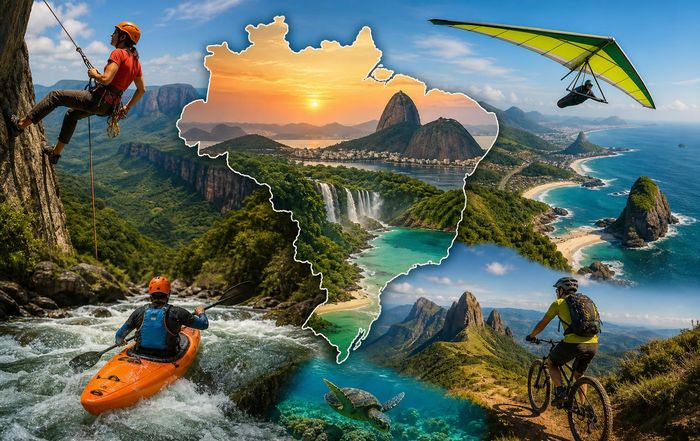
Outdoor Sports and Adventure Travel Across Brazil
Brazil's image abroad is often reduced to beaches, football, and Carnival. For adventure travelers, that shorthand misses the point. Few countries offer such a broad, wild playground: Amazon jungle expeditions, world-class surf, vast dune fields, deep cave systems, highland trekking, big-water rafting, and urban outdoor culture in cities like Rio de Janeiro and São Paulo. This super overview looks at how to experience outdoor sports and adventure travel across Brazil's main regions, what to know about safety and logistics, and how to explore responsibly in one of the planet's most biodiverse countries.
Why Brazil is a heavyweight in adventure travel
From a purely geographic standpoint, Brazil is built for outdoor sports. It is the fifth-largest country on Earth, spanning equatorial rainforest, the Cerrado savanna, Atlantic rainforest, wetlands, semi-arid backlands, and a 7,400-kilometre coastline. That variety translates into a dense menu of activities: surfing, kitesurfing, paragliding, trekking, climbing, canyoning, rafting, diving, wildlife safaris, and jungle expeditions, often within a domestic flight or overnight bus of one another.
Brazil's protected areas system under ICMBio (the federal conservation agency) includes hundreds of national parks and reserves, from Parque Nacional da Chapada Diamantina in Bahia to Serra dos Órgãos in Rio de Janeiro state. Many of these parks now have marked trails, regulated guides, and visitor quotas, following global best practice similar to what the U.S. National Park Service or Parks Canada promote for North American destinations. For travelers used to heavily commercialized adventure hubs, parts of Brazil still feel surprisingly raw and under-signposted, which is both a draw and a responsibility.
For readers planning trips that blend sport, performance, and culture, Brazil also offers vibrant cities where you can recover between expeditions. Rio's beach-fitness culture, São Paulo's urban cycling boom, and the growing surf and skate scenes in Florianópolis and Recife make it easy to plug into local lifestyles rather than stay in a travel bubble. Those looking to balance high-intensity adventure with broader travel and lifestyle experiences will find plenty of crossover with themes we cover across sports, adventure, and travel.
The Amazon: jungle expeditions, river journeys, and survival skills
The Brazilian Amazon-centered around Manaus and Belém-is less about adrenaline spikes and more about immersion, endurance, and navigation in a humid, complex environment. While zip lines and canopy walkways exist in some lodges, the core experiences are multi-day river journeys, wildlife observation, and guided jungle treks.
Visitors typically base themselves in Manaus, then travel by boat to lodges or community-run projects along tributaries of the Rio Negro and Solimões. Responsible operators follow guidelines from Brazil's Ministry of Tourism and conservation NGOs such as WWF-Brasil, emphasizing low-impact travel and partnerships with Indigenous and riverine communities. Activities often include night canoeing to spot caimans, piranha fishing, birdwatching, and learning basic survival techniques such as building shelters or identifying edible plants. The physical challenge is real: heat, humidity, insects, and long hours in boats demand good baseline fitness and patience.
Safety and ethics matter here more than in many other sports environments. The World Health Organization highlights malaria, yellow fever, and other vector-borne diseases as ongoing concerns in parts of the Amazon basin, so pre-trip consultations at a travel clinic are essential. Travelers should also check the latest travel advisories from their home country's foreign office regarding security and environmental conditions, particularly during the fire season when deforestation spikes and smoke can affect air quality. Those interested in the politics and ethics of Amazon travel may want to follow coverage by outlets like Mongabay or Agência Brasil, which regularly report on conservation conflicts and Indigenous land rights.
For visitors used to structured adventure parks, the Amazon can feel overwhelming. Carefully chosen operators and guides are the difference between a meaningful expedition and a disorganized, potentially unsafe outing. This is one region where cutting corners on cost or safety standards is unwise.
Northeast coast: surfing, kitesurfing, and dune adventures
Brazil's northeast is a magnet for wind and wave sports, shaped by consistent trade winds, warm water, and a chain of fishing villages increasingly geared to active travelers. From Bahia up to Ceará, you can surf, kitesurf, windsurf, or simply run long, empty beaches at sunrise.
The international kitesurfing community knows Jericoacoara and the stretch of coast west of Fortaleza as one of the world's most reliable wind corridors, with prime conditions from roughly July to January. Riders often follow multi-day downwind routes between small towns, supported by 4x4 vehicles driving along the sand. Organizations like the Global Kitesports Association and safety guidelines from IKO (International Kiteboarding Organization) offer standardized training and safety protocols, which reputable Brazilian schools tend to follow.
Surfing is more dispersed. Fernando de Noronha, a protected archipelago off the Pernambuco coast, is famed for powerful reef breaks and strict visitor limits that help protect its marine ecosystem. On the mainland, Itacaré in Bahia, Pipa in Rio Grande do Norte, and stretches near Recife and Salvador provide a mix of beach and point breaks. Brazil's rise as a global surfing power-symbolized by world champions like Gabriel Medina and Ítalo Ferreira-has driven investment in surf schools and local talent, with coverage from the World Surf League helping put new spots on the map.
Beyond the water, adventure travelers gravitate to the dune and lagoon landscapes of Lençóis Maranhenses National Park in Maranhão. This surreal field of white sand dunes filled with seasonal rainwater lagoons is now firmly on the international radar. Access is regulated by ICMBio, and visitors are encouraged to use accredited guides, especially for multi-day hikes across the dunes, where navigation is not intuitive and temperatures can be extreme. The park is a strong example of how Brazilian authorities are trying to balance tourism growth with environmental limits, an issue that echoes across other destination and world hotspots.
Rio de Janeiro and the Southeast: urban mountains, climbing, and paragliding
Rio de Janeiro is one of the world's most distinctive urban adventure hubs, with granite peaks, tropical forest, and Atlantic beaches compressed into a relatively small area. Parque Nacional da Tijuca, often cited by UNESCO as a pioneering reforested urban park, offers dozens of hiking trails, including the steep ascent of Pico da Tijuca and the iconic Pedra da Gávea. The latter combines scrambling, exposure, and panoramic views over the city and is best tackled with certified guides, especially for those without experience in basic rock movement and route-finding.
Rock climbing has a long history in Rio. The Brazilian Mountaineering and Climbing Confederation (CBME) and local clubs maintain routes on Pão de Açúcar (Sugarloaf) and other formations, with grades ranging from beginner-friendly to highly technical. International climbers will find well-bolted sport routes as well as traditional multi-pitch lines, many accessible by short approaches from city streets. Safety standards vary, so checking guide reputations and recent route information is crucial.
For those drawn to aerial views but not ready for climbing, tandem paragliding flights from São Conrado have become emblematic of Rio's adventure tourism. Operators must comply with regulations from Brazil's National Civil Aviation Agency (ANAC) and local clubs, which set standards for pilot certification and equipment inspections. As with any tandem flight, travelers should look for visible licensing, up-to-date gear, and clear pre-flight briefings.
Outside Rio, the mountainous interior of Minas Gerais and São Paulo states offers quieter trekking, mountain biking, and trail running. Areas like Serra da Mantiqueira and Serra do Cipó National Park are popular among Brazilian endurance athletes training at altitude and in cooler conditions. The growing domestic trail-running scene, with events sanctioned by bodies such as the International Trail Running Association (ITRA), reflects a broader shift in Brazilian fitness culture toward outdoor endurance sports rather than gym-only training-a theme also visible in global performance trends.
The South: canyons, rafting, and cooler-climate escapes
Southern Brazil-particularly the states of Paraná, Santa Catarina, and Rio Grande do Sul-offers a different mood: temperate forests, deep river canyons, and, in winter, even occasional frost. For adventure travelers, the region's draw lies in canyon hiking, rafting, and multi-day treks with cooler temperatures than the tropical north.
The Iguaçu Falls, on the border with Argentina, are primarily known as a sightseeing destination, but the surrounding Iguaçu National Park, a UNESCO World Heritage site, also hosts hiking trails and wildlife-watching opportunities. The Brazilian national parks authority provides information on permitted activities and conservation rules, which are stricter here due to the park's ecological significance.
Further south, the canyon country along the border of Rio Grande do Sul and Santa Catarina-especially Aparados da Serra and Serra Geral national parks-has become a hub for canyoning, horseback trekking, and hiking along cliff-edge trails. Heavy fog and sudden weather changes are common; local guides and adherence to park rules are strongly recommended. Some of these areas have been promoted by Embratur, Brazil's tourism promotion agency, as alternatives to overcrowded international hiking circuits, positioning them as emerging destinations for European and North American trekkers.
White-water enthusiasts often head to rivers like the Rio Itajaí-Açu and Rio Jacaré-Pepira, where rafting companies operate under safety guidelines influenced by international standards such as those from the International Rafting Federation. Travelers should look for companies that provide certified guides, proper helmets and PFDs, and clear emergency protocols, particularly during the rainy season when river levels can rise rapidly.
Interior plateaus and highlands: trekking, caves, and multi-day expeditions
Brazil's interior highlands host some of the country's most rewarding multi-day trekking and caving, often with fewer crowds than coastal hotspots. For travelers willing to trade easy access for deeper immersion, these regions are standouts.
Chapada Diamantina National Park in Bahia is a benchmark destination for long-distance hiking and canyon exploration. The classic Vale do Pati trek typically runs three to five days through valleys, plateaus, and small farming communities, with lodging in simple homestays or campsites. The park's management plan, available through ICMBio, emphasizes limits on visitor numbers and the importance of local guide associations, which play a central role in both safety and community income. Waterfalls, natural swimming holes, and viewpoints like Morro do Pai Inácio make this a favorite among Brazilian trekkers and photographers.
Further north, Chapada dos Veadeiros in Goiás combines quartz crystal fields, deep canyons, and waterfalls accessible from the town of Alto Paraíso. It has become a magnet for wellness-oriented travelers blending hiking with yoga retreats and alternative therapies, reflecting how adventure, lifestyle, and spirituality often intersect in modern travel culture.
In the center-west, the Pantanal wetlands-shared with Bolivia and Paraguay-offer a different kind of adventure, centered on wildlife safaris, horseback riding, and boat trips. The Pantanal Conservation Area is recognized by UNESCO for its biodiversity, including jaguars, giant otters, and hundreds of bird species. While not a technical sport destination, the physical demands of long days in the field, heat, and seasonal flooding make it a serious expedition environment. Conservation organizations such as Panthera and local research projects have developed jaguar-watching protocols that prioritize animal welfare and minimize stress, an important consideration for ethically minded travelers.
Cavers and geology enthusiasts gravitate to Chapada dos Guimarães in Mato Grosso and karst regions in Minas Gerais, where guided visits to caves and underground rivers are often controlled to protect fragile formations. Brazil's Sociedade Brasileira de Espeleologia publishes guidance on minimal-impact caving, echoing global Leave No Trace principles that apply across many of the sports and safety topics we cover.
Urban adventure culture and lifestyle
Beyond wilderness and remote landscapes, Brazil's cities themselves are key to understanding its outdoor sports culture. In São Paulo, a sprawling urban region with more than 20 million inhabitants, cycling infrastructure has expanded in the past decade, with protected lanes and Sunday road closures for recreational riders. The São Paulo City Hall and transport authorities have promoted cycling as both mobility and leisure, although safety concerns remain in traffic-heavy areas.
In Florianópolis, often dubbed "Ilha da Magia," a mix of surf beaches, forest trails, and a strong digital-nomad presence has created a hybrid lifestyle where work, sport, and social life blur. Similar patterns are emerging in parts of Recife, Fortaleza, and Belo Horizonte, where trail-running groups, climbing gyms, and surf schools are part of everyday urban culture rather than niche subcultures.
These urban scenes matter for visiting athletes and adventure travelers because they shape access to training, gear, and local knowledge. Specialty shops, climbing gyms, and running clubs often serve as informal information hubs on conditions in nearby mountains, rivers, and coasts. For those interested in the intersection of sport, lifestyle, and brands, Brazil's growing outdoor industry-local surfboard shapers, climbing-gear manufacturers, and eco-lodges-offers insight into how global trends are adapted to Brazilian realities, including currency volatility and infrastructure gaps.
Safety, logistics, and seasonal planning
Brazil's scale and diversity mean that adventure logistics are more complex than simply booking a flight to Rio and improvising. Several factors deserve careful planning: seasons, health, security, and environmental conditions.
Seasonality varies dramatically by region. The Brazilian Tourism Board (Embratur) and meteorological services provide calendars for rainfall and temperature patterns, but as a rough guide, the Amazon's driest months (often July-November) differ from the peak wind season in the northeast (roughly July-January) and the best times for trekking in highland regions, which often fall in the cooler, drier months from May to September. Checking region-specific climate data via sources like INMET (Brazil's National Institute of Meteorology) can prevent mismatched expectations, such as arriving in Lençóis Maranhenses when lagoons are dry.
Health and medical preparedness are equally important. The U.S. Centers for Disease Control and Prevention and agencies such as the European Centre for Disease Prevention and Control maintain country-specific pages detailing recommended vaccines, malaria risk maps, and advice on food and water safety. Travel insurance that explicitly covers adventure sports-including climbing, diving, and kitesurfing-is strongly recommended, as public health services in remote areas can be limited and private evacuation costly.
Personal security is a legitimate concern in some Brazilian cities and rural areas. While millions of visitors travel safely every year, crime levels in parts of Rio, São Paulo, and northern cities can be high. Government travel advisories from countries such as the UK, Canada, and Australia consistently recommend standard precautions: avoiding displays of wealth, using registered taxis or ride-hailing services, and taking local advice on where not to walk after dark. In adventure contexts, risks also include poorly maintained equipment, unregulated operators, and inadequate rescue infrastructure. Choosing guides and companies that follow recognized standards-whether from international bodies like the UIAA for climbing and mountaineering or national associations for rafting and diving-helps mitigate these risks.
Environmental conditions are another layer. Deforestation, droughts, and extreme rainfall linked to climate variability affect trail access, river levels, and wildfire risk. Monitoring updates from Brazil's National Institute for Space Research (INPE), which tracks fires and deforestation, can help travelers understand whether certain regions are experiencing unusual stress. Responsible travel also means acknowledging that some areas may be better left unvisited during acute environmental crises, even if that disrupts personal plans.
Responsible and ethical adventure in Brazil
As Brazil's outdoor and adventure sectors grow, questions of ethics, conservation, and community benefit become central. Many of the country's most spectacular destinations overlap with Indigenous territories, traditional communities, or fragile ecosystems. The way visitors engage with these places can either reinforce positive models or contribute to extractive tourism.
Community-based tourism initiatives in the Amazon, Pantanal, and highland regions aim to give local residents control over guiding, lodging, and revenue distribution. NGOs such as Instituto Socioambiental (ISA) and Conservation International Brasil have documented how well-designed tourism can support conservation and cultural preservation, but also warn against top-down projects that marginalize local voices. For travelers, practical steps include choosing operators that clearly explain how they work with communities, respecting local customs and photography rules, and being willing to pay fair prices rather than seeking the cheapest possible deal.
Environmental ethics are equally important. Brazil hosts some of the world's richest biodiversity, and even seemingly minor impacts-straying off marked trails, feeding wildlife, leaving small amounts of litter-scale up when repeated by thousands of visitors. The Leave No Trace Center for Outdoor Ethics provides globally applicable guidelines that translate well to Brazilian environments: plan ahead, travel and camp on durable surfaces, dispose of waste properly, leave what you find, minimize campfire impacts, respect wildlife, and be considerate of others. Many Brazilian parks now incorporate these principles into visitor education.
Finally, there is the question of carbon and long-haul travel. For visitors flying from Europe, North America, or Asia, the emissions associated with reaching Brazil are significant. While carbon offsetting has limitations and critics, combining longer, more in-depth trips with support for conservation projects and low-impact transport within Brazil can make adventure travel more aligned with broader ethics and innovation efforts in sustainable tourism.
Choosing your Brazilian adventure
Adventure travel in Brazil is not a single product but a spectrum. A first-time visitor might spend two weeks surfing and kitesurfing along the northeast coast, with a side trip to Lençóis Maranhenses. Another might build a month-long itinerary around Rio's climbing and paragliding, followed by trekking in Chapada Diamantina and wildlife watching in the Pantanal. A third might focus almost entirely on the Amazon, joining a community-based river expedition and learning jungle skills.
What unites these experiences is the combination of physical challenge, environmental immersion, and cultural encounter. Approached thoughtfully-respecting safety, local communities, and ecological limits-Brazil's outdoor landscapes offer some of the most rewarding adventure travel on the planet, and a powerful reminder that sport, nature, and culture are deeply intertwined.