

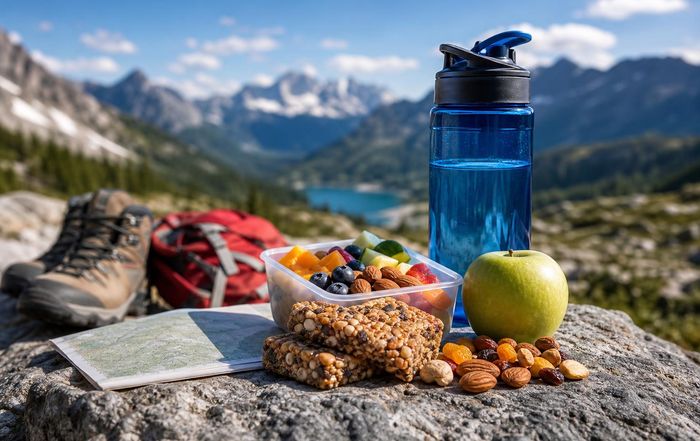
Sports Nutrition Tips for Long Days Outdoors
Long days outside-whether that means hiking a ridge line, ski touring, bikepacking, paddling, or back-to-back surf sessions-test the body differently from a one-hour gym workout. The terrain, the weather, the weight of your pack, and the simple fact that you're often far from a kitchen or store all make nutrition both more complicated and more important. This guide focuses on practical, evidence-based sports nutrition strategies for full-day and multi-hour outdoor efforts. It draws on current guidance from sports dietitians, endurance research, and mountain-sport practice to help you stay fueled, focused, and safe when your "training environment" is a remote trail or coastline rather than a track or treadmill. For fit people who want to dive deeper into training and performance, the performance-focused daily reporting at Performance and Sports offers complementary perspectives on preparation and recovery around big days outside.
How long days outdoors change your nutrition needs
Extended outdoor activity blends endurance exercise with environmental stress. Compared with an indoor session of similar duration, you're usually dealing with more variable temperatures, altitude changes, uneven terrain, and limited access to food and fluids. These factors collectively increase energy expenditure and complicate fueling.
Research summarized by the American College of Sports Medicine and International Olympic Committee suggests most endurance athletes burn somewhere between 500-900 kcal per hour at moderate to high intensity, though real-world numbers vary widely by body size, pace, terrain, and load carried. Hiking with a heavy pack uphill, ski touring in deep snow, or cycling into headwinds can push you toward the upper end of that range, while easy walking on flat ground sits lower. A 2019 analysis in the Journal of Applied Physiology highlights how terrain and grade significantly increase energy cost even at the same speed.
Outdoor days also often involve intermittent intensity-slow climbs, technical descents, short sprints to catch a group-rather than steady-state output. This pattern uses more glycogen, the carbohydrate stored in your muscles and liver, making mid-activity fueling especially important. At altitude, the body tends to rely more on carbohydrate than fat, and appetite may drop even as energy needs climb, something documented in high-altitude nutrition guidance from the Gatorade Sports Science Institute.
In practice, this means that for all-day outdoor efforts you need to think beyond "just bring some snacks" and consider timing, macronutrient balance, hydration, and how your plan will actually work in the field.
Pre-day fueling: building a reliable base
The hours before you head out are your best chance to top up glycogen stores, hydrate, and reduce the risk of energy dips later in the day. This is especially important if you're tackling a demanding route, backcountry objective, or long endurance event.
A pre-day strategy often works best when it starts the day before. The Australian Institute of Sport notes that carbohydrate loading for particularly long or intense efforts can help, but even without formal "loading," simply emphasizing carbs at dinner (rice, pasta, potatoes, whole grains, fruit) and not skimping on portions can make a noticeable difference. Pair those carbs with moderate protein and some healthy fats to support satiety and overnight recovery.
On the morning of your outing, aim to eat a substantial meal 2-3 hours before starting. For most people, this looks like 1-4 grams of carbohydrate per kilogram of body weight, depending on your size, timing, and how well you tolerate food before exercise. Oatmeal with fruit and nuts, toast with eggs and avocado, rice bowls with eggs and veggies, or yogurt with granola and berries are all practical examples. The International Society of Sports Nutrition offers similar pre-exercise carbohydrate guidance in its position stand on nutrient timing.
Hydration should begin early as well. Starting the day slightly dehydrated makes it harder to catch up later. Drinking 5-7 ml of fluid per kilogram of body weight in the few hours before exercise, as recommended by the ACSM in its exercise and fluid replacement guidelines, is a useful benchmark. Include a pinch of salt or an electrolyte tablet with breakfast if you expect heavy sweating, heat, or long hours away from water sources.
For those planning travel-heavy adventures or multi-day trips, the broader context of travel and destination logistics-time zones, unfamiliar foods, and limited grocery options-also shapes pre-day fueling, so consider where and when you'll actually be able to eat that breakfast.
Carbohydrates: the main engine for long efforts
Carbohydrates are the primary fuel for moderate-to-high-intensity activity, and long days outdoors often involve many hours in that zone. Once glycogen stores run low, performance drops sharply, coordination suffers, and decision-making can become impaired-an especially serious issue in technical terrain.
Guidelines from World Athletics and the IOC suggest that for exercise lasting longer than about 2-3 hours, athletes benefit from 60-90 grams of carbohydrate per hour, with the higher end appropriate for very long or intense efforts where the gut is trained to handle it. The IOC consensus statement on sports nutrition highlights that combining glucose and fructose sources-common in many sports gels and drinks-can increase total carb absorption.
For outdoor sports, the challenge is translating those numbers into food that fits in pockets or packs and still tastes good after 6 hours. Many athletes combine sports products (gels, chews, drink mixes) with more "real" foods like bananas, dates, rice balls, sandwiches, or energy bars. The key is consistency: rather than waiting until you feel hungry or tired, start eating within the first hour and continue with small amounts every 20-30 minutes.
Complex carbs from whole grains and fruit can help stabilize energy, but simple sugars are useful too, especially during higher-intensity segments. A mix of both often works best. For ideas on integrating fueling into a broader outdoor lifestyle, the coverage in Adventure and Lifestyle can offer context on how athletes and travelers combine nutrition with long days outside.
Protein and fat: supporting endurance and satiety
While carbohydrates drive performance during the activity, protein and fat play supporting roles that matter more as the hours pile up and especially across multi-day efforts.
Protein is essential for limiting muscle breakdown and supporting recovery, even during the day itself. The American College of Sports Medicine and Academy of Nutrition and Dietetics recommend that endurance athletes aim for 1.2-2.0 g of protein per kilogram per day, spaced across meals and snacks. For long outings, including 10-20 grams of protein every 3-4 hours can help, whether through trail mixes with nuts, jerky, cheese, yogurt drinks, or protein-fortified bars. A 2018 review in Nutrients on protein intake for athletes emphasizes the value of distributing protein evenly across the day.
Dietary fat is calorie-dense (9 kcal per gram) and digests more slowly, which can be an advantage for sustained energy and appetite control on lower-intensity days like trekking or long bikepacking stages. Nuts, seeds, nut butters, olive oil, and full-fat dairy all pack many calories into a small volume-useful when pack space and weight are limited. However, very high-fat foods can cause gastrointestinal distress at higher intensities or in the heat, so many athletes reserve them for lower-intensity portions, rest stops, or evening meals.
The balance between carbs, protein, and fat depends on the specific activity. A slow multi-day trek may tolerate more fat and mixed meals; a high-output ski mountaineering mission will likely depend on fast-absorbing carbs and moderate protein, with fats saved for before and after.
Hydration, electrolytes, and heat or cold stress
Hydration is both a performance variable and a safety issue. Even a 2% loss of body weight from dehydration can impair endurance, cognitive function, and thermoregulation, according to research summarized by the National Athletic Trainers' Association in its position statement on exertional heat illnesses.
In the field, a simple rule of thumb is to drink to thirst but not far beyond it, adjusting for conditions. Over-drinking plain water can dilute blood sodium and, in rare cases, contribute to exercise-associated hyponatremia-dangerous low blood sodium levels documented in ultra-endurance events and even long hikes. The CDC and NATA both stress the importance of electrolytes during prolonged sweating, especially sodium.
For most long outdoor days:
Plan for roughly 0.4-0.8 liters of fluid per hour, varying by body size, heat, altitude, and intensity.
Include sodium (via sports drinks, electrolyte tablets, salty snacks, or a pinch of salt in water) when sweating heavily or exercising for more than 2-3 hours.
Use urine color as a rough guide: pale straw usually indicates adequate hydration, while very dark urine suggests dehydration.
Cold environments can be deceptive. Thirst is blunted in the cold, but fluid loss continues through respiration, sweat under layers, and diuresis. A 2010 study in Medicine & Science in Sports & Exercise noted that cold exposure can reduce thirst perception, so winter athletes should schedule regular drinking even when they don't feel thirsty. Insulated bottles, warm drinks, and slightly flavored fluids can encourage intake in sub-zero conditions.
For more safety-oriented guidance around environmental risk, the coverage at Safety and World frequently touches on heat, cold, and weather-related challenges that intersect with nutrition and hydration.
Timing and pacing your intake across the day
One of the most common mistakes on long outdoor missions is front-loading or back-loading energy intake: eating a big breakfast, then almost nothing for hours, followed by a heavy meal once you're exhausted. Performance and safety are better served by steady, proactive fueling.
A practical framework for an 8- to 10-hour day might look like this:
Substantial breakfast 2-3 hours before starting.
First snack within the first hour of movement, even if you don't feel hungry yet.
Small, frequent snacks every 20-40 minutes, aiming to meet your hourly carbohydrate target.
Slightly larger "anchor" snacks or mini-meals every 2-3 hours, including some protein and fat.
Continued fluid and electrolyte intake throughout, adjusted for conditions.
This pattern helps avoid large swings in blood sugar, reduces the risk of "bonking," and keeps digestion manageable. It also supports mental sharpness, decision-making, and mood-factors that become critical in navigation, route-finding, and group dynamics far from help.
Training your gut is as important as training your legs. The IOC and World Athletics both highlight that athletes can improve their tolerance for higher carbohydrate intakes during exercise by gradually increasing intake during training sessions. For outdoor athletes, that means practicing your pack snacks on shorter days rather than experimenting for the first time on a remote route.
Adapting to environment: altitude, heat, cold, and terrain
Different environments change the details of your nutrition plan, even if the basic principles stay the same.
At altitude, appetite often decreases while energy needs rise. The UIAA Medical Commission notes in its advice on high-altitude nutrition that carbohydrate becomes a more important fuel source, and dehydration risk increases due to dry air and elevated breathing rates. In practice, this means carrying more easily digestible carb-rich foods, prioritizing warm, palatable drinks, and accepting that you may need to "eat by schedule" rather than appetite.
In hot environments, sweat losses can be extreme. The Gatorade Sports Science Institute has documented sweat rates exceeding 2 liters per hour in some athletes under heat stress. Here, sodium and fluid replacement become central, and you may need to favor lower-fat, lower-fiber foods that digest quickly and comfortably. Spicy or very rich foods can be harder to tolerate in the heat.
In cold or winter conditions, energy expenditure rises due to shivering, movement in heavy gear, and the simple mechanics of moving through snow. High-energy, freeze-resistant foods-nuts, chocolate, cheese, energy bars that don't become rock-hard-are especially useful. Warm fluids and hot meals, even if only once or twice during the day, can have outsized benefits for morale and thermoregulation.
Technical terrain-scrambling, climbing, technical skiing, or narrow singletrack-introduces another variable: you may not be able to eat while moving. This calls for deliberate fueling during safer pauses, and choosing compact foods you can consume quickly and one-handed. For outdoor sports that push the edge of performance and safety, the broader themes at Performance and Safety intersect directly with how you plan your nutrition around exposure and risk.
Packable, practical food strategies
The best nutrition plan fails if the food is impossible to carry, prepare, or stomach after six hours in the sun or rain. Building a realistic kit means balancing shelf-stability, weight, taste, and nutritional content.
Many experienced outdoor athletes use a mix of:
Quick-hit carbs: sports gels, chews, soft candies, fruit leathers, dates, ripe bananas, rice cakes.
Mixed snacks: energy bars with carbs and protein, trail mixes, nut-butter packets, granola bars.
Savory options: small sandwiches, wraps, cheese, jerky, salted crackers, instant soups.
Hydration tools: electrolyte tablets, powdered sports drinks, flavored drink mixes.
The Academy of Nutrition and Dietetics offers general guidance on fueling for exercise that can be adapted to outdoor needs by prioritizing portability and food safety. On very long or multi-day efforts, food hygiene becomes more important; perishable items like meat or dairy can pose a risk in warm conditions, so shelf-stable alternatives may be safer.
When planning for adventure travel or remote destinations, cross-check your food plan with local availability and customs regulations. Some countries have strict rules about bringing in meat, dairy, or fresh produce. Checking official border or agriculture agency websites before you pack can prevent last-minute confiscations and forced changes to your nutrition strategy.
Special considerations: plant-based, allergies, and sensitive stomachs
Outdoor athletes with specific dietary needs can absolutely fuel long days effectively, but it requires more planning.
Plant-based athletes should pay particular attention to protein quality, iron, vitamin B12, and overall energy density. The British Dietetic Association and Academy of Nutrition and Dietetics both affirm that well-planned vegan diets can support athletic performance, but on long days outside, it may be harder to find high-protein, portable options. Shelf-stable tofu snacks, roasted chickpeas, lentil chips, nut and seed mixes, and plant-based jerky can help fill the gap.
Those with food allergies or celiac disease need to be especially careful with packaged snacks and bars, which frequently contain nuts, dairy, soy, or gluten. Carrying extra safe food is wise in case of delays, and relying less on sharing group food reduces risk. For multi-day guided trips or events, communicating needs in advance is essential.
Anyone with a sensitive stomach should test foods and timing during training. High-fiber, very fatty, or heavily sweetened foods can cause gastrointestinal distress for some people during intense exercise. The International Society of Sports Nutrition notes in its guidance on carbohydrate intake that individualized gut training is key; start with lower carb intakes and gradually increase as tolerated, and adjust textures (e.g., more liquids, fewer dry bars) if dryness or chewing becomes an issue during hard efforts.
Recovery after a long day out
How you eat and drink in the hours after a long day outdoors shapes how you feel not only that evening but also the next day-especially if your trip or event spans multiple days.
Recovery nutrition is often summarized as the "3 Rs":
Refuel: Replace glycogen with carbohydrates. Guidelines from the IOC suggest 1.0-1.2 g of carbohydrate per kilogram per hour for the first few hours after very demanding sessions when rapid recovery is needed.
Repair: Support muscle repair with protein. Most sports nutrition bodies recommend 20-40 grams of high-quality protein within a couple of hours after exercise, depending on body size and training status, as summarized in the Nutrients review on protein and exercise.
Rehydrate: Replace fluid and electrolyte losses. Weighing yourself before and after can help estimate fluid loss; drinking about 1.25-1.5 liters of fluid per kilogram of body mass lost, with sodium, can speed rehydration.
In the outdoor context, that might mean a recovery drink at the trailhead, a substantial mixed meal back at camp or in town, and regular fluid intake through the evening. Alcohol, while common in post-adventure rituals, can impair rehydration and recovery if consumed in large amounts; guidelines from the World Health Organization and national health agencies recommend moderation, especially after heavy exercise.
For those balancing outdoor adventures with work and other life demands, the intersection of Business and Jobs coverage with performance and recovery is increasingly relevant: sleeping well, eating adequately, and managing stress all interact with how your body responds to long days outside.
Building your own long-day nutrition playbook
There is no single perfect nutrition plan for every sport, climate, and body. The most effective outdoor athletes treat fueling as a skill they refine over time, using guidance from sports science as a starting point and then adjusting based on experience.
A practical approach is to:
Estimate your hourly carbohydrate and fluid needs based on duration, intensity, and environment.
Choose portable foods and drinks you genuinely enjoy and can tolerate while moving.
Test your plan on progressively longer days, noting what works and what doesn't.
Adjust for heat, cold, altitude, and terrain, rather than assuming one plan fits all conditions.
Treat nutrition and hydration as core parts of your safety and performance strategy, not afterthoughts.
Long outdoor days are where sport, adventure, and lifestyle meet most directly. With a thoughtful approach to what you eat and drink, those hours can feel less like survival and more like the kind of performance you actually trained for-leaving enough in the tank to enjoy the view, the company, and the journey itself.