

Sustainable Destination Management for Busy Cities: A Strategic Playbook for Urban Brands
The New Urban Reality: Tourism, Talent, and the Battle for Liveability
The world's busiest cities have become both magnets and pressure cookers. Global tourism has rebounded beyond pre-2020 levels, digital nomads and remote professionals now move fluidly between New York, London, Berlin, Toronto, Sydney, Paris, Milan, Barcelona, Amsterdam, Zurich, Singapore, Tokyo, and Seoul, and major destinations across Europe, Asia, Africa, North America, and South America are competing not only for visitors, but also for talent, investment, and global attention. For the sports and business audience here, which spans sports, adventure, travel, brands, lifestyle, culture, performance, safety, innovation, ethics, and business, sustainable destination management has become a central strategic theme rather than a niche concern.
Urban decision-makers now recognize that tourism is inseparable from broader city competitiveness. A city that fails to manage visitor flows, cultural authenticity, safety, and environmental pressure risks eroding its appeal to residents, investors, and global brands. Conversely, a city that designs tourism around long-term sustainability can strengthen its reputation, attract responsible capital, and build a resilient ecosystem for jobs and innovation. Readers exploring global travel narratives every day on xdzee travel or following emerging business trends on xdzee business increasingly look for destinations that balance experience with responsibility, and for city brands that demonstrate real expertise and trustworthiness in how they manage growth.
In this context, sustainable destination management for busy cities is no longer about limiting tourism; it is about orchestrating a complex system where visitors, residents, businesses, and ecosystems can all thrive. Institutions such as the World Tourism Organization (UNWTO), which offers evolving guidance on sustainable tourism policies, and the World Economic Forum, which analyses future-ready city competitiveness, have highlighted that the next decade will reward cities that combine data-driven governance with ethical, inclusive strategies. For platforms like xdzee.com, which connect global audiences with sports, adventure, culture, and destination insights, this shift defines the editorial lens through which urban stories must now be told.
From Overtourism to Smart Stewardship
The decade leading up to 2026 has been marked by the rise and partial retreat of overtourism. Cities such as Barcelona, Venice, and Amsterdam have become emblematic of the strain that uncontrolled visitor numbers can place on housing, infrastructure, and local culture. Reports from the OECD on tourism trends and policies show how short-term rental markets, cruise tourism, and low-cost aviation transformed local economies while also driving congestion, price inflation, and social tensions. For city leaders, the lesson has been clear: tourism cannot be treated as an isolated sector; it must be managed as a cross-cutting element of urban policy.
Smart stewardship begins with data and integrated planning. Cities now use mobility analytics from public transport systems, anonymized telecom data, and hotel occupancy metrics to build real-time dashboards of visitor flows. Organizations like McKinsey & Company have discussed how advanced analytics can improve city operations, allowing urban managers to anticipate crowding, optimize event scheduling, and protect sensitive neighborhoods. For readers following performance and innovation on xdzee performance and xdzee innovation, this convergence of digital capability and urban governance illustrates how cities are becoming high-performance systems.
Yet data alone is insufficient without a clear governance framework. Cities such as Copenhagen, Singapore, and Vancouver have integrated tourism strategies into broader climate, housing, and mobility plans, following principles similar to those outlined by the C40 Cities Climate Leadership Group, which highlights climate-conscious urban planning. This holistic approach treats visitors as part of the city's long-term social and environmental fabric, not as a temporary revenue stream. For xdzee.com, which often connects lifestyle, culture, and ethics, such examples demonstrate how sustainable destination management is becoming a key measure of urban leadership and brand integrity.
Experience as Strategy: Designing Better Journeys for Visitors and Residents
One of the most significant shifts since 2020 has been the redefinition of "experience" in city destinations. Rather than focusing solely on iconic attractions and high-density tourist zones, forward-thinking cities are curating distributed experiences that spread visitors across neighborhoods, seasons, and activities. This is particularly relevant for audiences interested in sports, adventure, and culture, who seek authentic and often less crowded environments, as showcased across xdzee adventure and xdzee culture.
Leading destinations are investing in wayfinding systems, digital guides, and narrative-driven itineraries that draw visitors into lesser-known districts, waterfronts, parks, and cultural corridors. The European Commission has supported projects that encourage sustainable urban tourism and cultural routes, while cities in Japan, South Korea, and Thailand experiment with themed experiences around local crafts, food heritage, and community sports. These initiatives reduce pressure on historic centers and foster deeper engagement with local communities, creating more meaningful visits and diversifying economic benefits.
The experience strategy also extends to major events in sports and entertainment. Cities that host marathons, football tournaments, motorsport events, or large-scale concerts now design integrated visitor journeys that combine transport planning, digital ticketing, and safety protocols. FIFA, the International Olympic Committee, and global sports leagues increasingly require host cities to demonstrate robust sustainability and legacy plans, aligning with the broader move toward sustainable sports events. For readers of xdzee sports, the intersection of high-performance events and sustainable city management is becoming a key area of interest, as cities leverage sports to showcase innovation in mobility, crowd management, and inclusive design.
Trust, Ethics, and the Governance of Urban Tourism
Trust has emerged as a defining currency in sustainable destination management. Residents must trust that city leaders will protect liveability; visitors must trust that destinations are safe, transparent, and respectful of local communities; businesses must trust that regulations will be fair and predictable. The World Travel & Tourism Council (WTTC) has emphasized the importance of trust and resilience in tourism, especially in the wake of health crises, geopolitical tensions, and climate-related disruptions that have affected travel patterns in regions from North America to Asia and Africa.
Ethical governance frameworks now play a central role in how busy cities manage tourism growth. This includes transparent rules for short-term rentals, clear communication about visitor codes of conduct, and participatory planning processes that involve residents, community organizations, and local businesses. Cities such as Amsterdam and Berlin have implemented stricter regulations on holiday rentals to protect housing availability, while Barcelona and Florence have introduced measures to safeguard local commerce and limit the spread of souvenir-only retail corridors. These policies, documented and analyzed by institutions like UN-Habitat, which investigates sustainable urban development, demonstrate how ethical choices can support long-term destination value.
For xdzee.com, which dedicates specific focus to xdzee ethics and xdzee safety, the ethics of tourism governance are not abstract principles but practical criteria by which destinations are evaluated. Cities that engage transparently with citizens, publish clear sustainability targets, and report on progress build reputational capital that influences investment, job creation, and brand partnerships. In a world where consumers and employees increasingly align with organizations that demonstrate authentic values, the ethical management of tourism becomes a differentiator in the global competition for talent and loyalty.
Climate, Safety, and the Resilience Imperative
Climate risk and urban safety are now inseparable from destination management. Heatwaves in Southern Europe, flooding events in Asia and North America, and wildfire seasons affecting destinations from Australia to Canada have forced cities to rethink how they protect both residents and visitors. The Intergovernmental Panel on Climate Change (IPCC) continues to highlight urban vulnerability and adaptation needs, underscoring that tourism-intensive districts, waterfronts, and historic centers are often among the most exposed.
In response, cities are investing in resilient infrastructure, early-warning systems, and climate-responsive public spaces. Shaded pedestrian routes, flood-resilient waterfront promenades, and heat-adapted outdoor venues are increasingly integrated into destination plans. Public health and safety protocols, strengthened during the pandemic years, have evolved into broader resilience frameworks that cover crowd safety, emergency communication, and continuity planning for major events. Organizations such as the World Health Organization (WHO) provide guidance on healthy and safe cities, which many destinations now incorporate into tourism strategies.
The safety dimension extends beyond physical risk to digital security and privacy. As cities deploy smart mobility systems, digital passes, and real-time monitoring tools, they must ensure robust data protection and ethical use of technology. This is particularly relevant for global travelers from regions such as the United States, Germany, France, China, and Singapore, where data privacy expectations are high and regulatory frameworks such as the EU's GDPR set stringent standards. For readers exploring safety and performance on xdzee safety and xdzee performance, cities that demonstrate both physical and digital resilience stand out as trustworthy destinations in an increasingly uncertain world.
Innovation and the Future of Urban Mobility for Visitors
Mobility sits at the core of sustainable destination management. Congestion, emissions, and time lost in transit directly affect visitor satisfaction, resident quality of life, and business productivity. In 2026, leading cities are redefining mobility through integrated public transport, micromobility, and emerging technologies, guided by principles of sustainability and inclusivity. The International Transport Forum (ITF), hosted by the OECD, has documented how urban mobility innovation can reduce emissions and improve accessibility, offering a roadmap for tourism-intensive cities.
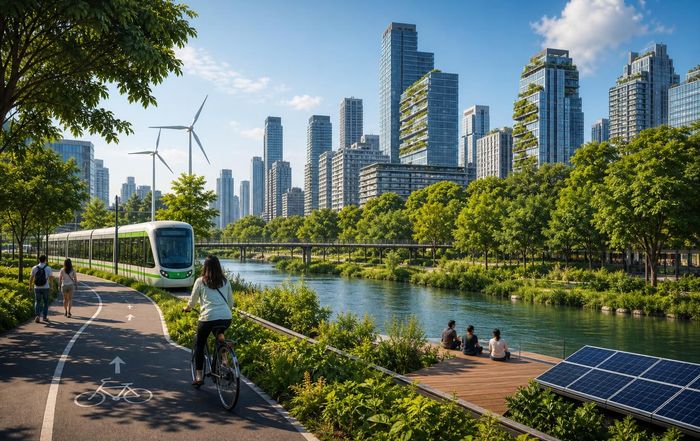
Many busy cities now promote car-light or car-free visitor experiences, leveraging high-capacity metros, electric bus fleets, and extensive cycling networks. Cities such as Amsterdam, Copenhagen, and Oslo have become global references for cycling infrastructure, while Singapore, Tokyo, and Hong Kong continue to refine high-frequency, integrated transit systems that make it easier for visitors to move between districts without private vehicles. The rise of shared e-bikes, scooters, and on-demand shuttles further expands options, though cities must regulate these services carefully to avoid clutter and safety issues.
Innovation is also transforming the way visitors plan and navigate their journeys. Real-time multimodal apps, AI-enhanced trip planners, and digital city passes integrate transport, cultural venues, and attractions into seamless experiences. Technology companies and urban authorities are collaborating to create open data platforms, allowing entrepreneurs and mobility start-ups to develop new services. MIT's Senseable City Lab has explored data-driven urban innovation, illustrating how insights from mobility patterns can inform better destination design. For the innovation-focused audience of xdzee innovation, these developments show how mobility is becoming a testbed for sustainable, high-performance urban solutions that benefit both visitors and residents.
Culture, Lifestyle, and the Authenticity Dividend
The cultural and lifestyle dimensions of a city are often the primary reasons people choose it as a destination, a workplace, or a long-term home. However, the global spread of generic retail, standardized hospitality formats, and algorithm-driven recommendations has threatened to flatten local distinctiveness. Sustainable destination management therefore requires a deliberate strategy to protect and promote local culture, independent businesses, and authentic experiences. Organizations like UNESCO continue to safeguard World Heritage Sites and intangible cultural heritage, while cities develop their own frameworks to support local arts, music, gastronomy, and crafts.
In 2026, many cities are rebalancing their cultural economies, ensuring that festivals, museums, galleries, and performance venues serve both residents and visitors. Night-time economy strategies, carefully managed to address noise and safety concerns, are being used to revitalize districts and create jobs in music, hospitality, and creative industries. Cities from Berlin to Melbourne and Montreal have developed policies to protect live music venues and creative spaces, recognizing their role in city identity and attractiveness. For lifestyle-oriented readers of xdzee lifestyle, the alignment between cultural vibrancy and sustainable tourism is increasingly evident.
Authenticity also connects to food systems and local supply chains. The global popularity of regional cuisines-from Italian and Spanish to Thai, Japanese, and Brazilian-creates opportunities for cities to showcase local producers, sustainable agriculture, and circular economy practices. The Ellen MacArthur Foundation has highlighted how circular food systems can reduce waste, support farmers, and enhance urban resilience. When cities integrate these principles into destination strategies, they not only improve environmental outcomes but also create richer, more distinctive experiences that reinforce their brand in the global marketplace.
Jobs, Skills, and the Evolving Tourism Workforce
Tourism and hospitality remain major sources of employment worldwide, but the nature of these jobs is changing rapidly. Automation, digitalization, and shifting traveler expectations are reshaping roles in hotels, restaurants, transport, and attractions. At the same time, the sector faces persistent challenges related to seasonality, job security, and skills gaps. The International Labour Organization (ILO) continues to analyze employment in tourism and services, emphasizing the need for decent work, fair wages, and strong social protections.
Sustainable destination management must therefore be closely linked to workforce development. Cities that invest in training for digital skills, language proficiency, inclusive customer service, and sustainability practices create a more resilient and adaptable tourism workforce. Partnerships between city governments, universities, vocational institutes, and industry associations are becoming more common, particularly in countries such as Germany, Switzerland, and Singapore, which have strong traditions in vocational education and training. For readers exploring career trends on xdzee jobs, these developments signal that tourism and destination management can offer high-skill, future-oriented roles in data analysis, experience design, sustainability consulting, and urban policy.
Moreover, the boundaries between tourism, creative industries, sports, and technology are blurring. Destination marketing organizations now hire content strategists, data scientists, esports specialists, and event technologists, while brands in fashion, sportswear, and outdoor equipment increasingly collaborate with cities on events and campaigns. Platforms like xdzee brands track how global and local brands position themselves in relation to cities, aligning with narratives of sustainability, performance, and lifestyle. In this environment, cities that treat tourism as a sophisticated, knowledge-intensive sector rather than a low-skill service industry are better positioned to attract talent and build durable economic ecosystems.
The Role of Media, Storytelling, and Platforms like xdzee.com
In the competition for global attention, how cities are narrated matters almost as much as what they actually offer. Media platforms, travel journalism, and digital communities shape perceptions of destinations, influencing decisions about where people travel, study, work, invest, and relocate. By 2026, audiences have become more discerning, seeking depth, transparency, and evidence of real commitment to sustainability rather than superficial claims. This is where platforms like xdzee.com play a distinctive role, weaving together perspectives on sports, adventure, travel, business, culture, safety, and ethics into coherent narratives about cities and destinations.
When xdzee.com reports on a new urban sports event, a rising adventure destination, or a business hub positioning itself as a global innovation center, it does so against the backdrop of sustainable destination management. Articles that explore global news and trends or analyze world developments can highlight how cities balance growth with responsibility, how they protect vulnerable communities, and how they invest in resilient infrastructure. Features on destination-focused content can showcase cities that integrate environmental stewardship, cultural authenticity, and inclusive economic development into their tourism strategies.
Crucially, editorial choices about which cities and initiatives to highlight can reinforce norms of Experience, Expertise, Authoritativeness, and Trustworthiness. By prioritizing destinations that demonstrate measurable progress on sustainability indicators, transparent governance, and community engagement, xdzee.com helps set expectations for what responsible urban tourism should look like. In doing so, it becomes not only a chronicler of global travel and lifestyle, but also an influential actor in the evolving ethics and business models of tourism.
Top Priorities for Busy Cities in the Next Decade
Busy cities must treat sustainable destination management as a strategic, cross-sector discipline, not a narrow tourism function. They will need to deepen their data capabilities, integrating visitor analytics with broader urban planning tools, while maintaining strong privacy and ethical safeguards. They must continue to invest in resilient infrastructure and climate adaptation, recognizing that environmental risk is now a central determinant of destination competitiveness. And they must place culture, authenticity, and community well-being at the heart of their tourism narratives, avoiding the homogenization that has eroded the distinctiveness of many global cities.
At the same time, cities must recognize the centrality of jobs and skills, ensuring that tourism provides pathways to meaningful, future-proof employment. Collaboration with global organizations such as UNWTO, WTTC, OECD, UNESCO, and ILO, as well as with private-sector innovators and local communities, will be essential to building robust and inclusive strategies. For business leaders, investors, and professionals who follow global developments through xdzee.com, sustainable destination management is no longer a peripheral concern; it is a lens through which to evaluate risk, opportunity, and long-term value in markets across the United States, United Kingdom, Germany, Brazil, Malaysia, and New Zealand.
As urbanization continues and global mobility evolves, the cities that will thrive are those that treat every visitor as part of a larger story-a story of responsible growth, shared value, and enduring liveability. By documenting, analyzing, and curating these stories, xdzee positions itself as a happy sport guide for a global audience navigating the complex intersection of destination, lifestyle, business, and ethics in an increasingly interconnected world.