

Best Coastal Destinations for Active Outdoor Holidays
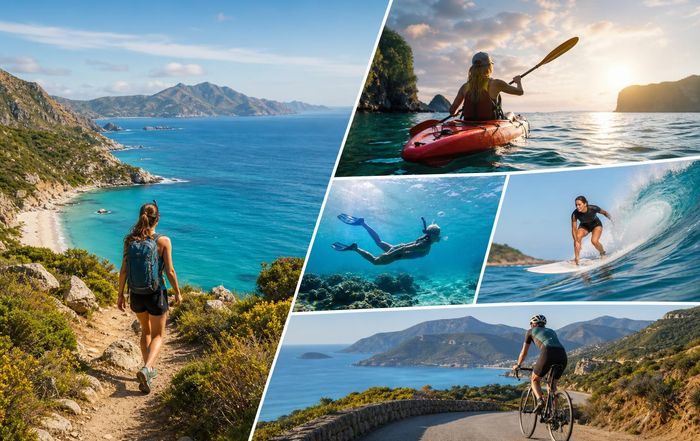
Coastlines are no longer just about sun loungers and sunset cocktails. Around the world, beaches and rugged shores are becoming hubs for people who want to move: to surf, hike, dive, paddle, ride, and push their limits in wild, salt-air environments. For travelers who would rather pack trail shoes than evening wear, some coastal regions stand out for the range and quality of their outdoor experiences, the reliability of conditions, and the infrastructure that supports active holidays.
This top new guide focuses on coastal destinations that combine adventure sports with compelling landscapes and local culture. It is not a ranking, but a curated look at places where you can build a full week-or a season-around being outside and in motion.
Why coasts work so well for active holidays
Coastal regions naturally bring together several elements that make them ideal for adventure-driven travel. Consistent wind and swell create reliable conditions for surfing, kitesurfing, and sailing. Varied terrain-cliffs, dunes, mountains dropping into the sea-opens up trail running, mountain biking, and technical hiking within a short distance of the shore. Marine ecosystems add diving, snorkeling, and sea kayaking into the mix, turning the water itself into a landscape to explore.
From a practical standpoint, many established beach destinations have evolved beyond resort tourism. You'll now find specialist guiding outfits, rental shops, and training camps alongside traditional accommodation. Organizations like Surfing England and USA Triathlon have noted the growth of "sport tourism," with travelers increasingly planning trips around events, training blocks, or bucket-list routes rather than simply searching for the nearest warm beach. At the same time, coastal communities from Portugal to South Africa are grappling with how to manage that demand while protecting fragile shorelines, marine life, and local culture-an important consideration for anyone planning an active trip.
For readers looking to narrow their options, it helps to start with what kind of movement matters most. Surf-centric travelers might prioritize consistent swell and water safety information, while endurance athletes may look first at elevation profiles, road quality, and seasonal temperatures. Those broader performance and safety questions intersect with many of the themes covered elsewhere on Xdzee, from sports and adventure to safety and performance.
Portugal's Atlantic edge: surfing, trail running, and cycling
Portugal's west coast has become a year-round playground for active travelers, especially around Ericeira, Peniche, and the Alentejo coast. The country's Atlantic exposure delivers consistent swell; the World Surf League designates Ericeira as a World Surfing Reserve, highlighting the quality and density of surf breaks in a small stretch of coastline. Beginners can find sheltered beach breaks, while advanced surfers tackle heavier reef and point waves.
Beyond surf, the Rota Vicentina-a network of coastal and inland trails in southwest Portugal-offers some of Europe's most dramatic seaside hiking and trail running. The Fishermen's Trail traces cliffs and remote beaches, with multi-day routes supported by small guesthouses in fishing villages. Cyclists often use the same region for quiet, rolling roads and gravel tracks, with spring and autumn bringing cooler temperatures and fewer crowds.
Safety and environmental considerations are central on this stretch of coast. The Portuguese maritime authority publishes up-to-date beach safety flags and conditions, while the Rota Vicentina association promotes low-impact tourism, encouraging visitors to stay on marked trails and support local businesses rather than short-term rentals. For travelers interested in the intersection of outdoor sports, rural economies, and sustainability, Portugal's southwest has become a live case study in how a destination can pivot from seasonal beach tourism to year-round, nature-based activity.
Canary Islands, Spain: volcanic training grounds in the Atlantic
Technically closer to North Africa than mainland Europe, the Canary Islands combine a subtropical climate with diverse volcanic landscapes, making them a magnet for endurance athletes, wind sports enthusiasts, and divers. Tenerife and Gran Canaria are known for road cycling and trail running that climb from sea level to high-altitude volcanic plateaus; the ascent to Mount Teide is a classic training ride used by UCI WorldTour teams, helped by the island's mild winter temperatures and quality roads. The official Tenerife tourism board now promotes cycling infrastructure explicitly, reflecting the shift toward performance-oriented visitors.
On the water, Fuerteventura and Lanzarote are hotspots for kitesurfing and windsurfing, with reliable trade winds and established schools around Corralejo and Costa Teguise. Divers explore lava reefs and caves, with marine parks like the La Restinga - Mar de las Calmas reserve on El Hierro offering protected conditions and rich biodiversity; Spain's environment ministry outlines the area's conservation measures and dive regulations on its official marine protected areas pages.
The Canaries illustrate how a destination can balance mass tourism with niche, high-performance travel. Resorts that once catered mainly to package holidays now host triathlon camps, altitude training blocks, and trail races. That influx brings economic benefits but also resource pressures, particularly around water use and coastal development. For travelers drawn to the islands' training potential, it is worth seeking operators who work with local guides and respect protected zones-a theme that resonates with broader discussions of ethics and innovation in outdoor tourism.
Western Cape, South Africa: surf, cliffs, and cold-water adventure
The Western Cape around Cape Town offers a striking combination of ocean and mountain, with the Table Mountain National Park dropping almost directly into the Atlantic. Surf breaks like Muizenberg provide accessible, longboard-friendly waves for beginners, while more advanced surfers head to heavier reefs along the Cape Peninsula and beyond. The non-profit Shark Spotters program, created to manage great white shark interactions, maintains real-time beach safety information and has become a model for balancing marine conservation with human recreation.
On land, the Table Mountain and Cape Point trail networks support everything from casual hikes to technical trail runs and multi-pitch climbing routes. The Otter Trail and Garden Route further east add multi-day coastal trekking through indigenous forests and rugged shoreline, with the South African National Parks (SANParks) authority providing detailed route, permit, and safety guidance. Sea kayakers explore kelp forests and seal colonies, while cold-water freediving has grown in popularity thanks to global attention on the region's kelp ecosystems.
South Africa's coastal adventure scene is deeply intertwined with social and economic realities. Township-based surf and skate programs use sport as a tool for youth development; organizations such as Waves for Change outline how structured surf therapy can support mental health in communities facing high levels of violence and unemployment. For visitors, engaging with locally led operations, respecting safety briefings, and understanding the broader context can turn an active holiday into a more meaningful exchange-something that aligns with Xdzee's interest in culture and world perspectives as much as sport itself.
Hawaii, United States: where modern surf culture meets multi-sport terrain
The Hawaiian Islands are often framed as the birthplace of modern surfing, but for active travelers they offer a much broader palette of outdoor experiences. On Oʻahu, the North Shore hosts some of the world's most famous surf breaks, including Pipeline and Sunset Beach, with the World Surf League running its Championship Tour events there each winter. Beginners and intermediates gravitate to Waikīkī's long, rolling waves, supported by a dense ecosystem of surf schools and lifeguard-patrolled beaches.
Beyond surf, Kauaʻi and the Big Island (Hawaiʻi) stand out for hiking and trail running. The Nā Pali Coast and Waimea Canyon offer challenging coastal and canyon routes, while the Hawaiʻi Volcanoes National Park features trails across lava fields and through native rainforest. The U.S. National Park Service provides comprehensive safety and access information, essential given the combination of heat, exposure, and volcanic hazards. Open-water swimmers and triathletes are drawn to the Kona coast, home of the long-running IRONMAN World Championship; the event's official site outlines course conditions and environmental guidelines.
Hawaii also raises important questions about the cultural dimensions of coastal sport. Native Hawaiian organizations and scholars have emphasized that surfing, paddling, and fishing are not just recreational activities but part of a deeper relationship with the ocean, or kai. Travelers who approach those sports with respect-learning about local etiquette, staying off culturally sensitive sites, and supporting Native-owned businesses-can help ensure that active tourism contributes positively to local communities. Those cultural and ethical layers echo broader debates covered in sections like lifestyle and business, where tourism economies and indigenous rights intersect.
Norway's fjords and Arctic coast: cold-water endurance and quiet trails
For those who associate coastal holidays with heat, Norway's fjords and Arctic shores offer a very different, but increasingly popular, kind of active escape. The region around Lofoten, Tromsø, and the western fjords combines steep mountains with deep, cold water, creating a natural arena for hiking, ski touring, sea kayaking, and even cold-water surfing. The Norwegian Trekking Association (DNT) maintains extensive trail and cabin networks along the coast, making it possible to link multi-day hikes with boat crossings and short sea-kayak sections.
Surfing in places like Unstad in Lofoten has grown from a niche pursuit to a small, year-round industry, with wetsuit technology enabling more people to handle Arctic water temperatures. The Norwegian Surfing Association provides guidance on cold-water safety and environmental awareness, emphasizing hypothermia risk, changing weather, and respect for local communities. Winter brings the possibility of ski touring from summit to sea, but avalanche risk and rapidly shifting conditions make professional guiding and avalanche education essential; the Norwegian Water Resources and Energy Directorate runs a national avalanche warning service that visitors should monitor.
Norway's coastal adventure scene is often held up as a model of low-impact, nature-based tourism, but it is not immune to pressure. Small fishing villages can be overwhelmed by peak-season visitors, and debates continue over cruise ship traffic and short-term rentals. Travelers who choose shoulder seasons, use public transport where possible, and follow local Leave No Trace guidance can help keep the focus on quality, not volume-an increasingly important distinction for destinations that value both wildness and economic resilience.
Costa Rica's Pacific coast: blue-zone living and active eco-tourism
On the opposite side of the Atlantic, Costa Rica's Pacific coast offers a blend of surf, jungle, and wildlife that has made it a staple of active eco-tourism. Regions like Guanacaste, the Nicoya Peninsula, and the Osa Peninsula support a dense network of surf breaks, yoga retreats, and nature lodges. The Costa Rican Tourism Institute (ICT) promotes the country's Certification for Sustainable Tourism, which rates operators on their environmental and social practices-useful for travelers trying to distinguish between marketing language and genuine commitment.
Beyond surfing, the Pacific coast's national parks and reserves-such as Corcovado National Park and Marino Ballena National Park-offer sea kayaking, snorkeling, whale watching, and coastal hiking. The National System of Conservation Areas (SINAC) outlines park regulations and safety advice, including seasonal closures to protect wildlife and manage trail erosion. Inland from the coast, zip-lining, canyoning, and mountain biking in cloud forests add variety for travelers who want both marine and mountain environments in a single trip.
Costa Rica is frequently cited in discussions of "blue zones," regions where people live longer, healthier lives, with the Nicoya Peninsula among the best-known examples. While the science behind longevity claims is complex and sometimes contested, research summarized by the World Health Organization and independent scholars points to diet, physical activity, social connection, and environmental quality as key factors. For visitors, that context can reframe an active holiday not just as a break from routine but as an experiment in a more movement-rich lifestyle-one that might influence habits long after the trip ends.
Japan's coastal trails and surf towns: from Shikoku to Tohoku
Japan's coastline, stretching thousands of kilometers from subtropical Okinawa to the cold waters of Hokkaidō, offers a surprising range of active travel options. The Shikoku region has gained international attention with the development of the Shikoku Henro pilgrimage route and the newer Shikoku Coastal Trail, which links fishing villages, beaches, and forested headlands. The Japan National Tourism Organization (JNTO) provides English-language resources on long-distance trails, including access, difficulty, and etiquette for walking near shrines and temples.
Surf culture has also taken root along the Pacific side of Honshū, with towns like Chiba, Shōnan, and parts of Miyagi Prefecture hosting a mix of local and visiting surfers. The Nippon Surfing Association outlines competition schedules and safety guidelines, while local municipalities publish beach rules and seasonal lifeguard coverage. Sea kayaking and stand-up paddleboarding are popular in calmer bays, especially in the Seto Inland Sea, where small islands create sheltered routes ideal for multi-day paddling trips linking guesthouses and campgrounds.
Japan's recent push to promote "adventure tourism" has included efforts to improve multilingual signage, trail maintenance, and safety information in coastal regions affected by the 2011 Tōhoku earthquake and tsunami. This redevelopment raises complex questions about memory, resilience, and the role of tourism in post-disaster economies. Travelers who choose locally run accommodations and tours in these areas can contribute to long-term recovery while gaining insight into how communities live with the sea as both a source of livelihood and a potential threat.
British Columbia, Canada: cold seas, big mountains, and coastal forests
On North America's Pacific edge, British Columbia combines a rugged coastline with temperate rainforests and steep mountains, creating one of the world's richest regions for multi-sport outdoor holidays. The waters around Vancouver Island and the Great Bear Rainforest support sea kayaking among orcas, humpback whales, and sea lions, with the Canadian Parks and Wilderness Society and Parks Canada providing detailed guidance on wildlife viewing ethics and marine safety.
On land, the West Coast Trail in Pacific Rim National Park Reserve is a demanding multi-day coastal route involving ladders, cable cars, and tidal planning; Parks Canada's official trail page emphasizes fitness requirements, gear, and environmental regulations. Mountain bikers and trail runners use networks around Squamish and North Vancouver, where technical trails cut through dense forest and granite slabs. Cold-water surfers focus on Tofino and Ucluelet, where consistent swell meets long, sandy beaches backed by old-growth forest.
British Columbia's coastal adventure boom has sharpened debates over access, conservation, and indigenous rights. Many of the most spectacular routes and marine areas lie within the traditional territories of First Nations, who are increasingly asserting leadership in tourism management and land stewardship. Travelers can seek out indigenous-owned lodges and guiding outfits, and stay informed about local protocols and closures. As with many destinations in this article, the most rewarding coastal holidays here often come when sport, culture, and ethics are considered together rather than in isolation.
Balancing performance, safety, and impact on coastal adventures
Across these destinations, certain themes recur for anyone planning an active coastal holiday. Performance goals-whether surfing a heavier wave, riding a famous climb, or completing a classic trail-need to be balanced with safety and environmental awareness. Local rescue agencies, national park services, and sport federations increasingly publish open data and real-time alerts on conditions, from avalanche bulletins to rip-current warnings. Checking those sources, understanding your limits, and hiring qualified local guides where appropriate are as much a part of trip preparation as booking flights.
The broader context matters too. As adventure travel continues to grow, coastal communities face pressures around housing, infrastructure, and ecological resilience. Travelers who choose off-peak periods, support locally rooted businesses, and engage with the stories of the places they visit can help tip the balance toward more sustainable forms of tourism. For those interested in how these dynamics play out at a global scale, exciting entertainment sections like news, world, and destination regularly track developments in coastal conservation, climate impacts, and tourism policy.
Ultimately, the "best" coastal destination for an active holiday is the one that matches your preferred way of moving, your appetite for challenge, and your willingness to engage with the local environment and culture. Whether that means trading boardshorts for a drysuit in the Arctic, swapping beach bars for mountain switchbacks above the Atlantic, or combining surf sessions with community-run conservation projects, the world's coasts offer more ways than ever to live actively by the sea.