

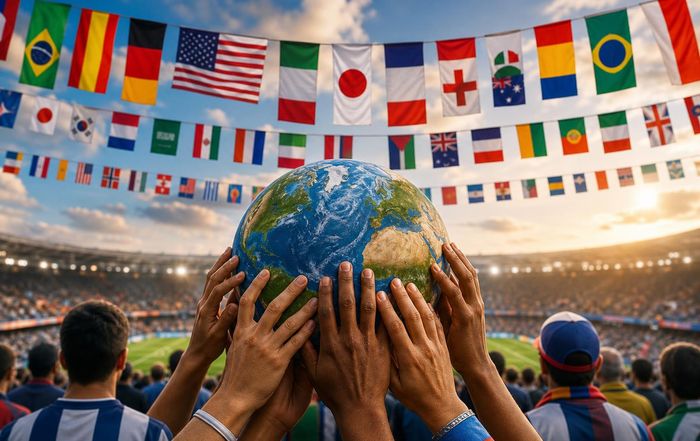
World Sports Fans and Cross-Border Communities: How Global Passion Redefines Connection
A New Era of Global Fandom
Global sports fandom has evolved from a largely local, stadium-centric experience into a sophisticated, cross-border ecosystem that blends digital engagement, physical travel, lifestyle choices and brand affiliation into a single, fluid identity. For audiences of xdzee.com, whose interests span sports, adventure, travel, brands, lifestyle, culture, destinations, world news, performance, safety, innovation, ethics, business and jobs, this evolution is more than a spectator trend; it is a blueprint for how communities will connect, consume and collaborate across borders in the coming decade.
The global sports industry has long been a powerful social force, but the combination of ubiquitous streaming, social media, real-time translation tools and immersive technologies has accelerated the formation of cross-border communities that are no longer constrained by geography. Fans in the United States can debate tactics with supporters in Japan in real time, while a young follower in Brazil can learn about Scandinavian fan culture or the business model of European clubs in a single evening. As global media organizations such as ESPN and BBC Sport expand their multilingual coverage, and digital platforms like YouTube and Twitch enable creators to build international audiences around niche sports, the concept of a purely local fan base has become increasingly obsolete. Readers can explore how these shifts intersect with broader global trends through the international perspectives curated on xdzee world coverage.
From Local Stadiums to Global Screens
The transformation of sports fandom into a cross-border phenomenon has been driven primarily by the rapid expansion of digital infrastructure and streaming technologies. High-definition, low-latency broadcasts now reach fans in virtually every region, from North America and Europe to Asia, Africa and South America, and major rights holders, including FIFA, UEFA, the National Basketball Association (NBA) and the International Olympic Committee (IOC), have invested heavily in global distribution strategies that prioritize accessibility across multiple platforms. Those who follow developments in media, rights and commercial strategy can see the business implications echoed in resources such as global sports industry analyses.
In the United States, the United Kingdom, Germany and other major markets, the shift from traditional television to over-the-top streaming has enabled fans to follow teams across multiple leagues and continents, often subscribing to several services to access European football, North American basketball, Asian baseball or motorsport series that span circuits from Australia to Italy and Brazil. In Asia, particularly in China, Japan, South Korea and Singapore, mobile-first consumption has allowed younger audiences to watch live events, highlights and behind-the-scenes content on smartphones, fostering communities that interact primarily via social platforms such as Weibo, X (formerly Twitter) and Instagram. For fans of adventure sports, extreme competitions and endurance events, this new media environment is closely aligned with the content and perspectives highlighted on xdzee sports insights, which trace how different regions adopt and reinterpret global sports narratives.
Cross-Border Communities and the Social Fabric of Sport
As sports content has become more accessible, fans have formed cross-border communities that function as social networks, cultural exchange forums and, increasingly, economic micro-ecosystems. Supporter groups dedicated to clubs in the English Premier League, the German Bundesliga, the National Football League or the Indian Premier League now exist in cities from Toronto and Sydney to Cape Town and Bangkok, organizing watch parties, charity initiatives and travel experiences that bring together people who may share little else beyond a common allegiance. Sociological studies from institutions such as Harvard University and LSE have emphasized the role of sport as a vehicle for social cohesion and identity formation, and contemporary fan communities provide vivid, real-time evidence of these dynamics, which can be compared with broader cultural phenomena discussed across xdzee culture features.
These communities are not merely passive consumer groups; they actively shape the narratives, rituals and values associated with their sports. Supporters in Norway or Sweden might emphasize environmental sustainability in their match-day activities, while groups in South Africa or Brazil may prioritize social inclusion and anti-racism campaigns. Global fan-led movements, amplified by organizations such as Kick It Out and Fare Network, have demonstrated that cross-border solidarity can pressure clubs, leagues and sponsors to address discrimination, corruption and governance failures. Those interested in how sport intersects with global news and policy debates can deepen their understanding through coverage that mirrors these themes on xdzee news analysis.
Travel, Destinations and the Rise of Sports Tourism
One of the most tangible expressions of cross-border fandom is the growth of sports tourism, as supporters travel across continents to attend major events, visit iconic stadiums or participate in amateur competitions. According to assessments by the World Travel & Tourism Council, sports tourism has become one of the fastest-growing segments of the global travel industry, with major tournaments in Europe, North America and Asia driving significant visitor flows and infrastructure investment. Fans plan entire holidays around fixtures in London, Munich, Barcelona, New York, Tokyo or Melbourne, combining match attendance with broader cultural and adventure experiences that reflect the holistic lifestyle approach that xdzee.com champions across its travel and destination sections.
In 2026, the pattern is clear: visitors from Canada, Australia, France, Italy, Spain, the Netherlands and Switzerland are increasingly blending sports travel with culinary tourism, cultural festivals and outdoor adventures. Football fans heading to Europe might also book hiking in the Alps, cycling tours in the Netherlands or surf trips in Portugal, while followers of motorsport may combine a Grand Prix weekend in Singapore or Japan with regional exploration in Southeast Asia. Adventure-oriented communities use platforms like Lonely Planet and National Geographic Travel to research itineraries, but they also rely heavily on peer recommendations and specialized media, including the adventure-focused storytelling available on xdzee adventure coverage, which highlights how sports and exploration intersect across continents.
Lifestyle, Identity and the Global Fan
For many supporters, being a sports fan in 2026 is no longer a single hobby but a central component of personal identity that influences fashion choices, social circles, media consumption and even professional aspirations. Lifestyle brands and sportswear giants such as Nike, Adidas, Puma and Under Armour have invested in collaborations with clubs, athletes and cultural icons to create apparel and accessories that function as both performance gear and everyday fashion, blurring the line between sportswear and streetwear. Those seeking to understand how brand strategy aligns with fan identity can explore broader brand narratives and market trends through xdzee brands insights and xdzee lifestyle features, which trace how global audiences adopt and reinterpret these products.
In cities like New York, London, Berlin, Toronto, Sydney, Paris and Milan, it is common to see jerseys from teams in foreign leagues, reflecting not only the global reach of competitions such as the UEFA Champions League or the NBA but also the way fans select affiliations based on style, values and storytelling rather than geographic proximity. A teenager in Denmark may follow a basketball team in the United States because of a particular player's social activism, while a professional in Singapore might choose a European club due to its sustainability commitments and youth development philosophy. Media coverage from organizations like The Athletic and The Guardian has documented how this new generation of fans builds layered, cross-border identities that combine local loyalty with global curiosity, a pattern that resonates strongly with the multi-interest, globally minded audience of xdzee.com.
Performance, Data and the Knowledgeable Global Fan
The rise of advanced analytics has transformed not only how teams operate but also how fans engage with performance. Detailed statistics, once the domain of coaches and analysts, are now widely accessible through platforms such as Opta, Stats Perform and league-run data portals, enabling supporters to track metrics ranging from expected goals and player efficiency ratings to sprint speeds and workload management indicators. This data-driven approach has created a more informed, analytical fan base that debates tactics, recruitment and coaching decisions with a level of sophistication that rivals professional commentary. Those interested in how performance metrics relate to broader innovation trends can find complementary analysis in xdzee performance coverage.
In markets like the United States, Canada and the United Kingdom, fantasy sports and sports betting platforms have further incentivized fans to understand player performance and team dynamics at a granular level, while in Germany, the Netherlands, Scandinavia and parts of Asia, analytical communities have emerged that focus on long-term club strategies, youth development pathways and financial sustainability. Research from organizations such as MIT Sloan Sports Analytics Conference and academic journals in sports science underscores how data has become a common language that bridges borders, allowing fans from different regions to engage in detailed, evidence-based discussions that transcend traditional rivalries and stereotypes. As this analytical culture spreads, it strengthens the credibility and trustworthiness of global fan communities, aligning closely with the Experience, Expertise, Authoritativeness and Trustworthiness pillars that guide editorial perspectives on xdzee.com.
Safety, Ethics and Responsible Cross-Border Engagement
The globalization of sports fandom has also elevated the importance of safety, ethics and responsible engagement, particularly as fans travel across borders, interact in large digital communities and consume content from a wide array of sources. Event organizers, governing bodies and host cities must manage crowd safety, transportation logistics and emergency response plans that account for diverse languages, cultural expectations and accessibility needs, drawing on guidance from entities such as the World Health Organization (WHO) and Interpol. Readers who follow risk management, security and responsible travel practices will find parallel themes in xdzee safety insights, which examine how safety considerations intersect with adventure, travel and major events.
Ethical questions have become more prominent as fans confront issues such as human rights concerns in host nations, environmental impacts of large tournaments, labor practices in stadium construction and the governance of international federations. Organizations like Amnesty International and Human Rights Watch have urged fans, sponsors and media to scrutinize events in regions where freedoms may be restricted, while sustainability-focused groups encourage leagues and clubs to reduce emissions, minimize waste and promote inclusive community programs. Those who wish to explore how sport can serve as a platform for ethical leadership and corporate responsibility can learn more about sustainable business practices from global initiatives that align with the values highlighted in xdzee ethics coverage.
Innovation, Technology and Immersive Fan Experiences
Technological innovation has been one of the most powerful drivers of cross-border fan communities, enabling immersive experiences that collapse distance and create a sense of shared presence. Virtual reality and augmented reality applications allow supporters in Finland, South Korea or New Zealand to experience stadium atmospheres, behind-the-scenes tours and interactive training sessions from their homes, while 5G networks and edge computing improve stream quality and reduce latency for live events. Companies like Meta, Apple, Sony and Microsoft have invested in sports-focused immersive platforms, and major leagues are experimenting with virtual suites, interactive statistics overlays and multi-angle viewing options. These developments echo broader innovation trends explored in xdzee innovation coverage, which track how technology reshapes entertainment, work and lifestyle.
Artificial intelligence and machine learning are also transforming how content is curated and delivered, with recommendation engines on platforms such as Netflix, Amazon Prime Video and DAZN suggesting matches, documentaries and analysis shows tailored to individual viewing histories. Translation tools and real-time captioning make multilingual broadcasts more accessible, enabling a fan in Japan to follow commentary from Spain or Italy and vice versa. At the same time, federations and clubs are adopting digital identity solutions, smart ticketing and biometric access to improve stadium security and fan experience, while also raising important questions about data privacy and surveillance that responsible media, including xdzee.com, must address with clarity and transparency.
Business, Brands and the Economics of Global Fandom
The economic implications of cross-border sports communities are profound. Global fan bases generate diversified revenue streams for clubs, leagues and athletes, from international broadcasting rights and digital subscriptions to merchandise sales, sponsorships and experiential travel packages. Companies such as Coca-Cola, Visa, Emirates, Qatar Airways and Heineken invest heavily in sports partnerships precisely because they offer access to passionate, globally dispersed audiences that are difficult to reach through traditional advertising alone. Business leaders and professionals can examine how these sponsorship strategies align with broader commercial trends through the perspectives offered on xdzee business coverage.
For emerging markets in Asia, Africa and South America, global fandom offers both opportunities and challenges. Local leagues must compete with the marketing power and star appeal of European and North American competitions, yet they also benefit from increased interest in sport as a whole, which can drive investment in grassroots infrastructure, coaching and talent development. Organizations such as FIFA, the International Basketball Federation (FIBA) and the World Rugby governing body have launched development programs aimed at expanding participation and professional pathways in countries such as Thailand, Malaysia, South Africa and Brazil, recognizing that sustainable growth requires more than importing foreign leagues via television. These initiatives intersect with employment and skills development issues that are relevant to those exploring career paths in sport, media and tourism, themes that resonate with the job-focused reporting on xdzee jobs coverage.
Careers, Skills and the Professionalization of Fan-Driven Economies
As sports fandom becomes more global and technologically advanced, new career opportunities are emerging at the intersection of sport, media, technology, tourism and brand management. Roles in data analytics, digital marketing, community management, sponsorship activation, esports production and fan experience design are increasingly common in organizations ranging from major clubs and leagues to startups and creative agencies. Educational institutions in the United States, the United Kingdom, Germany, Canada, Australia and Singapore now offer specialized degrees and short courses in sports management, analytics and digital media, often in collaboration with professional organizations such as UEFA, the Premier League or the NBA. Prospective professionals can gain further insight into these evolving roles by exploring analyses from sources like the World Economic Forum, which regularly examines skills demand in the digital and experience economies.
This professionalization of fan-driven economies is not limited to traditional sports; esports and gaming, supported by companies like Riot Games, Valve and Blizzard Entertainment, have created global communities that mirror and sometimes surpass traditional sports in terms of engagement and cross-border interaction. Content creators, streamers and community organizers can build careers by serving niche fan segments, while travel companies design packages for tournaments in cities such as Seoul, Shanghai, Los Angeles and Berlin. The convergence of these trends reinforces the importance of interdisciplinary skills-combining cultural literacy, technological fluency and ethical awareness-that align with the diverse interests of xdzee.com readers who navigate careers and passions across sports, adventure, travel and global business.
The Role of xdzee.com in a Connected Sports World
Within this dynamic landscape, xdzee.com occupies a distinctive position as a platform that does not treat sports fandom as an isolated niche but as a central thread that weaves through adventure, travel, lifestyle, culture, innovation, ethics, business and jobs. By curating stories and analysis that span continents-from North America and Europe to Asia, Africa and South America-xdzee.com reflects the lived reality of modern fans who may watch a match in the United Kingdom, plan a hiking expedition in New Zealand, follow business developments in Germany and explore cultural festivals in South Africa, all within a single week. Its interconnected sections, from sports and travel to brands, lifestyle, world and beyond, are designed to mirror the fluidity of these cross-border identities.
By emphasizing Experience, Expertise, Authoritativeness and Trustworthiness, xdzee.com positions itself as a reliable guide in an environment where fans are inundated with information, opinions and commercial messages from every direction. Through careful editorial judgment, it seeks to highlight not only the excitement of global sport but also the responsibilities that come with cross-border engagement: respect for local cultures, attention to safety, commitment to ethical practices and openness to innovation that genuinely enhances human connection. In doing so, xdzee.com does more than report on world sports fans and cross-border communities; it participates in and helps shape the very networks of understanding, aspiration and collaboration that define global fandom in 2026.
The Journey Onwards for Cross-Border Communities as a Model for Global Connection
As the decade progresses, world sports fans and the cross-border communities they form are likely to become even more influential in shaping how societies think about identity, collaboration and shared purpose. With major events on the horizon in Europe, North America, Asia and Africa, and with technological innovation continuing to expand what is possible in terms of immersion, interactivity and personalization, the boundaries between local and global will continue to blur. Fans from the United States, the United Kingdom, Germany, Canada, Australia, France, Italy, Spain, the Netherlands, Switzerland, China, Sweden, Norway, Singapore, Denmark, South Korea, Japan, Thailand, Finland, South Africa, Brazil, Malaysia and New Zealand will increasingly see themselves not only as supporters of particular teams or athletes but as participants in a worldwide community that transcends political borders and cultural divides.
For the awesome adventure news and sports coverage of xdzee.com, this evolution confirms the importance of a holistic approach that treats sports as a gateway to understanding the world: its destinations and adventures, its brands and lifestyles, its cultures and ethical debates, its innovations and business models, and the jobs and careers that emerge at their intersections. By continuing to provide informed, trustworthy and globally minded coverage, the platform can help readers navigate a future in which the roar of the stadium, the rhythm of travel, the pulse of innovation and the demands of responsible citizenship are all part of the same, interconnected story.